

Related Posts

Conversation Starter
How is epam anywhere health insurance plan?




Mentor
Top benefits at Bank of America?


More Posts
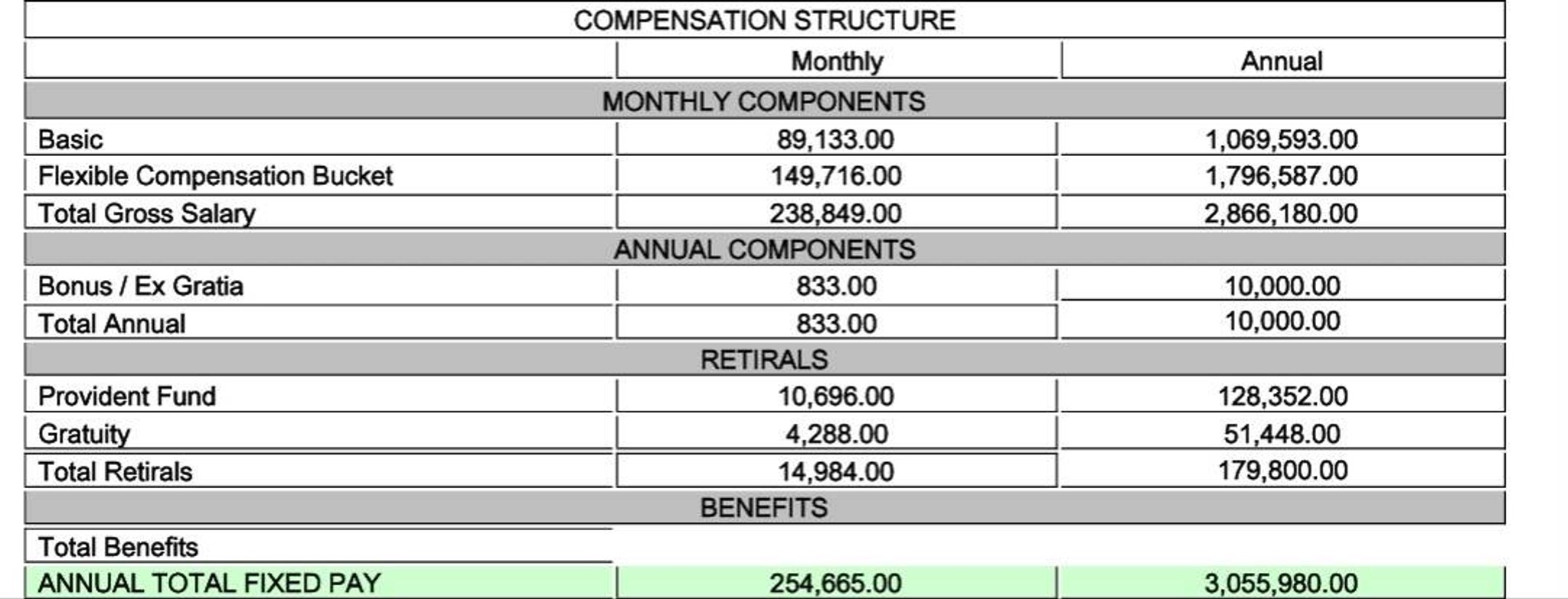
Hey Fishes, Please help me decide the best offer on basis of job security, wlb and culture, I need to decide it ASAP, your help would be highly appreciated.
1. Info Edge (Naukri.com) ( 16 LPA Fixed + 10% Variable) - Hybrid Work model
2. Sprinklr ( 15 LPA Fixed ) - Hybrid Work model
3. Talentica Software ( 12 LPA fixed) - Permanent wfh
infoedge Sprinklr Talentica Software

Coach
Coach
Additional Posts in Finance
What does a VP1 make all-in in IBD?
Do you buy the fundamentals for a MBS sell-off?
How often do y'all pull all-nighters?
New to Fishbowl?
Download the Fishbowl app to
unlock all discussions on Fishbowl.
unlock all discussions on Fishbowl.


This table has some nice multipliers.
https://www.investors.com/etfs-and-funds/retirement/you-need-this-much-retirement-savings-at-your-age-and-income/
400k-1.5mm
Oh crap :(
By your early 30s you should have saved the equivalent of a year of your current compensation. Late 30s x2 early 40s x 3 late 40s x5
Part of savings isn’t just keeping money in a box, it’s also about living a sustainable lifestyle. So if you take home a hundred grand a year but spend 90% of it, then I’d argue that you’re not using your money effectively and you’re leaving yourself vulnerable to factors out of your control. Alternatively, if you live on less than half your annual take home, then a) you can save up a nice nest egg and b) retirement/time off/career changes/whatever are all instantly more affordable. Every dollar you shave off your everyday living expenses works double for you, because it represents a dollar in the bank AND a dollar less you have to spend in the future. Now don’t get me wrong. I’m not saying “save everything, live in a van and grow your own food” because that is just not what life is about. But a bit of mindfulness in terms of consumerism goes a long way.
Really the question shouldn’t be “how much money should I have saved” it’s “what proportion of my take-home pay should I be saving”; to which my answer is “At least 50%, ideally more.” After about ten years on a finance salary, and assuming you don’t just plonk the money into a cash account but invest in low-cost index trackers, I’d estimate somewhere between 1-1.5 million total value depending on promotion trajectory.
I see a lot of analysts replying. I get that many of you have formed expectations of your own fiscal situation and it’s great stuff, but in reality other things get in the way of savings plan. Curious to hear more from others with at least 10 years of working experience?
@Analyst 1. If you are earning a buck a year then you should have a buck in savings by your 30s.
@ubs1 I’m sure you’re trying to make a point but I must confess, I don’t get it.
Can’t believe no one mentioned the rent vs own difference. If you buy a decent house in the suburbs of NYC, that could easily suck most of your liquid assets. Then the decision comes down to: how much do I set aside for a rainy day/investing vs paying down my mortgage
I’m married so that messes with the numbers a bit, but my contribution to the pie is probably a touch below 1mm. I took 1 year off as well.
@Wells Fargo. True true. 50% LTV Coop mortgage has a cool million in 'equity' not cash.
Also means the total portfolio is overexposed to real estate.
512.8m
400k-1.5mm (read: also inherits money or has some sort of fountain of wealth from Mom + Dad because that’s some pretty serious savings for only like 12-15 years of employment)
There is a good table in there to show how much per year.
Are you in banking?
It depends on what you do, but given you’re in finance, I’d say you’re doing it wrong if you don’t have at least a million.
@BAML1 If you’re in finance - and therefore probably on 6 figures, it shouldn’t be difficult to put away like 50-100k a year. After 10 years - especially with promotions and bonuses etc - with compounding interest and assuming you’re just investing in plain old indexes, you could easily be over a million.
In FX sales
@BAML1 what about life expenses? Traveling, going out etc