

Related Posts


Visual Storyteller



Conversation Starter
90s music binge is so fire right now.



Bowl Leader


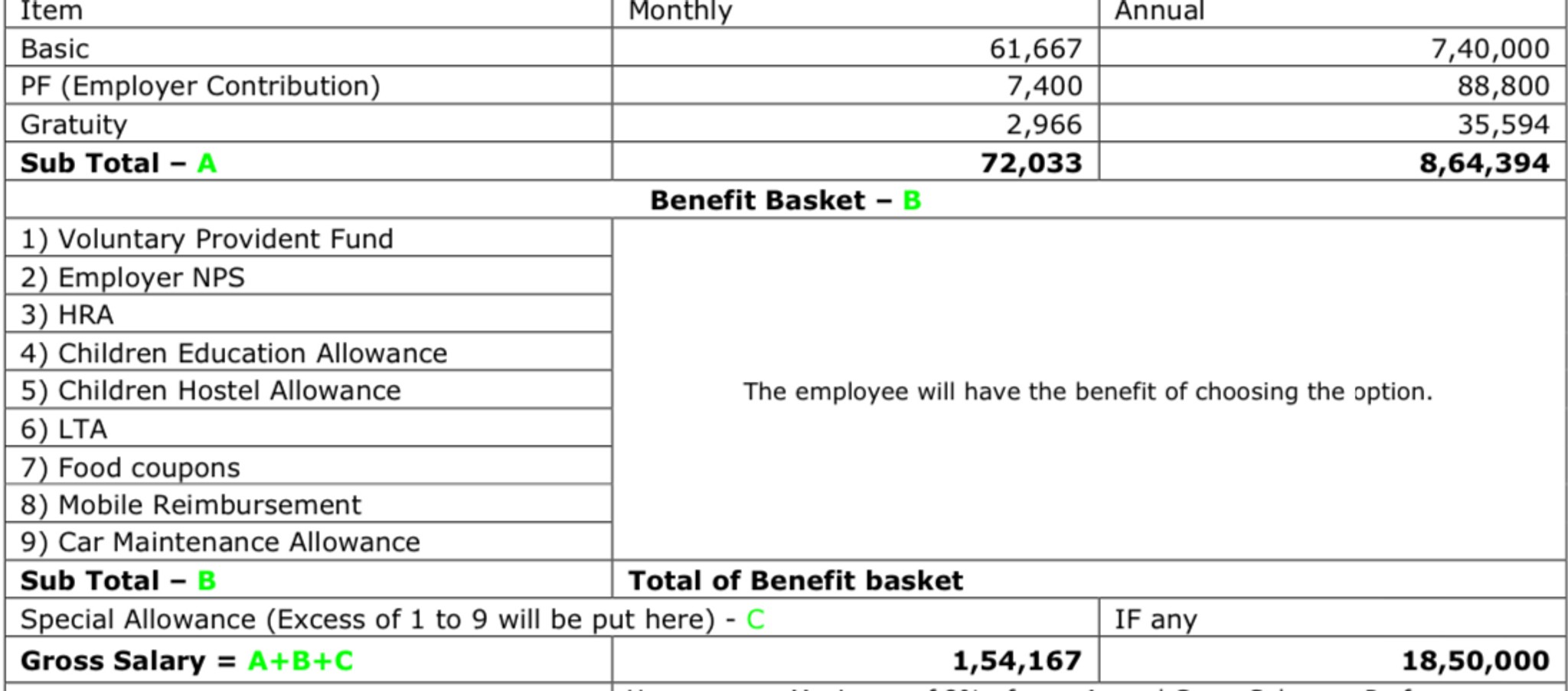
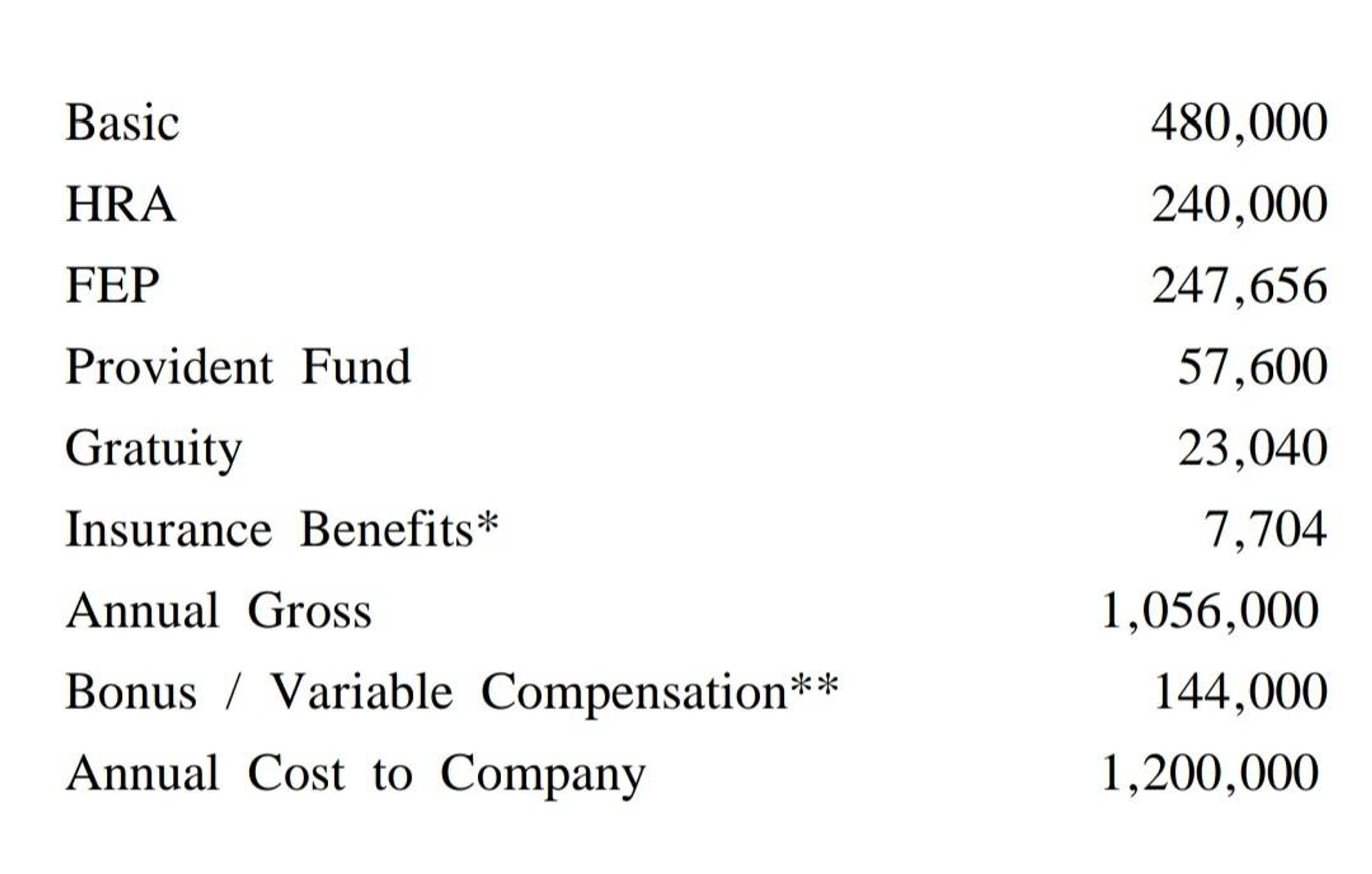
Whats Average hike in Synechron yearly ?
Additional Posts in Law
New to Fishbowl?
Download the Fishbowl app to
unlock all discussions on Fishbowl.
unlock all discussions on Fishbowl.


Say you’re at capacity
Yes, this. “Sorry I’m at capacity.” Even better if you can make it true by trying to take on work you want to crowd out bad work preemptively.
The softer version is “I’m fully committed through February 17, but could turn to this then” but that risks getting stuff lined up for after February 17.
The best way to get out of working on a specific matter in biglaw is to get busy enough with other stuff that you can say you don't have the time to do it. You have very little leverage as an associate if you're slow, have nothing else lined up imminently, and someone asks you to help with something, even if it's not something you'd usually be doing.
When you're in the position where you can pull the "I don't have time" card, all you have to do is say you're at capacity now but should have more time in [insert justifiable but obviously unworkable timeframe here]. Bonus points if you have a friend who does want the work who you can say has capacity if that timeframe is unworkable
Valuable experience and exposure to new areas of law that might help you later in your practice or life in general. It’s a learning opportunity. If you have zero capacity to take in on and your other work might suffer, that’s one thing. But just not wanting to do it and saying so will not only get you no points but will hurt you.
OP: it sucks to be in that situation, and if you do the work you should paper it carefully to CYA. I empathize, but I stand by my original comment that it makes you look bad if you decline without a really good reason (and maybe another partner you’re working for to back you up). You could consider approaching your leadership, too, if you feel it’s outside your sphere and that you’d have support. Just like real clients suck sometimes, assigning attorneys (who I also view as clients) can suck and it’s a skill to navigate both. I’m sorry you’re in the situation, though.
A4: maybe not wanting to work with the person should be a good enough reason, but the reality is that it’s not unless there’s an additional justification. OP asked what to do to get out from this. There might not be a way out that doesn’t have negative ramifications.
Pro
Need to know firm size and practice areas involved.
Risky if you don’t know the practice area and the partner might ding you in your review or otherwise throw you under the bus if things don’t go well. Doesn’t sound like the type who would award brownie points for stepping up and being a team player.
Other than saying you’re at capacity, is there anyone in your group that might be able to help run interference? Be cautious in your approach but the right person might be able to get them to back off.
How is a partner not your “direct boss”? What does that even mean?
The partner obviously doesn’t think so.
You should talk to your mentor or your current practice group leader - they can play interference on your behalf (and nobody should want the risk of you working on something you have no clue about without guidance).