


Pro

Related Posts
**Thoughtworks Referrals**
Senior data engineer(4-9 yrs exp)
Location: Pune, Mumbai ,Gurgaon , Bangalore , Hyderabad
Quality Analyst (4+ years exp in API automation)
Location : Mumbai,Gurgaon , Bangalore ,Chennai, Coimbatore
Senior Java developer(4-9 yrs exp)
Location: Pune, Mumbai ,Gurgaon , Bangalore , Hyderabad, Chennai
If you are seriously looking for switch, Mail your resume to devm8366@gmail.com for referral, with preferred location

Anonymous User

Has anyone received band progression mail ?
How do you all deal with protein farts?


Bowl Leader

Community Builder
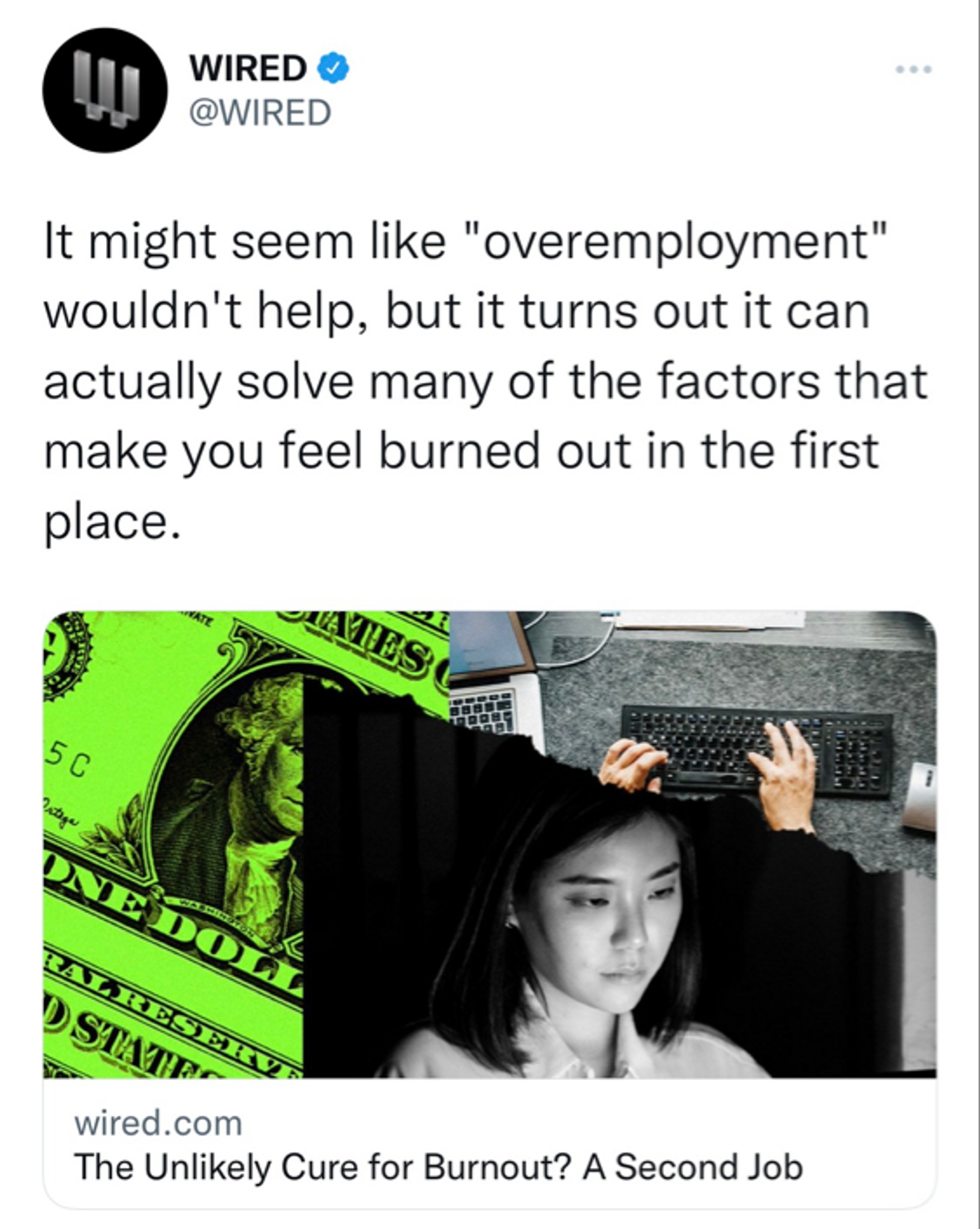
Ahh get a second job. Thanks Wired.

New to Fishbowl?
Download the Fishbowl app to
unlock all discussions on Fishbowl.
unlock all discussions on Fishbowl.


some good ideas here:
Pro
Love this. The book tip is good. We’ve just embarked on this mission. I remember how frustrated we were that 80% of non-princess books have male characters. That goes to 98% if the character is a truck or piece of construction equipment. We just dubbed books as we read out loud to fix this. Can’t do that with the illustrations though.
Pro
... how people still treat people of different races poorly. Serious question: Are your kids (and you @sleepovers etc) ready for super awkward questions from our kids? Eg “Were your mommy and daddy slaves?” I don’t know how to balance teaching them and encouraging them to be inquisitive without them being inquisitive at awkward times. I don’t know how to balance those questions becoming y’all’s burden to answer or damaging your kids’ self-image. Or worse, what happens if my kids weaponize their newfound awareness of differences with race-based namecalling during inevitable playground squabbles, not realizing that it’s very very different than calling someone four-eyes or poo-poo head (which also aren’t acceptable but seem to have lower risk of causing long-term damage).
Yes I realize my kids and us wading through awkward situations pales in comparison to the talks y’all have to have. We just want to do the best we can.
Unpopular opinion here, but you’re probably my doing more harm than good. They are too young to understand the nuance of systemic racism and bias. They are innocents at this point. Simply modeling good behaviors and intention and focusing on stamping out your own bias as an example to your kids would be a more useful expenditure of time.
As someone multiracial, and grew up in a minority driven public school setting, I don't disagree. I knew race as a cultural thing but never really knew of it in the context of privilege and bias until late high school. It wasn't an issue for most of us kids and we just played, grew and learned together...
Pro
Disagree. Not being racist isn’t sufficient. We do all the things you mentioned too.
Representation in the right light matters too. I’m careful with showing my kids a variety of tv shows or movies that have POC as protagonists that are shown in a good light. Though that’s actually really limited even in 2020... have a few good black protagonist ones like black panther or men in black international that are kid friendly, but I haven’t been able to find Hispanic or asian ones for them so it’s been a bit of a struggle.
Pro
I think you are on the right track OP. Our instincts as parents are to shelter our children from the bad parts of life—not talking about difficult events or realities. But children need to learn about these things—they can’t recognize the bubble they live in if we spend all our time keeping them inside of it. And they will be woefully unprepared to end racism as adults if that is the first time they are exposed to it properly. They instead will have spent all of their lives learning that it “isn’t a thing” because it wasn’t part of the white community they grew up in. Being a nice person and telling your children discrimination is bad is table stakes—Im going to assume everyone’s going to do that. That doesn’t really make you virtuous, it just makes you a human being in the 21st century.
If you want your kids to grow up understanding (and rejecting) the insidious nature of unspoken and inherent bias then you’ve got to do a lot more. Don’t raise another generation as unwitting participants in a system we’ve inherited.