

Related Posts

Enthusiast
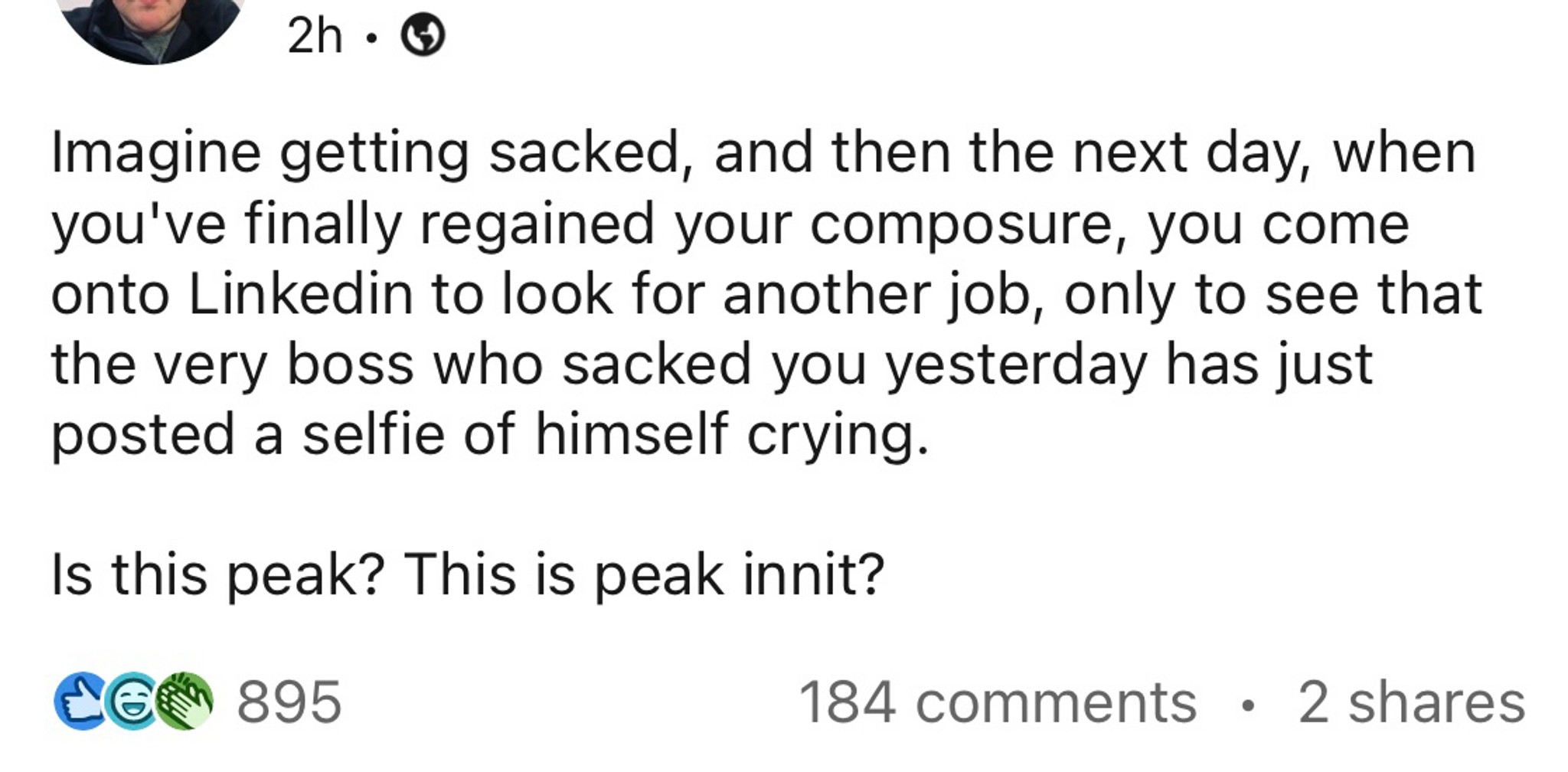
crying ceo killed everyone today on LinkedIn 🤣🤣🤣

How long it take for L1 round in Capgemini.

What are your 2018 goals?

Pro



Additional Posts in Designers

Coach
Coach
New to Fishbowl?
Download the Fishbowl app to
unlock all discussions on Fishbowl.
unlock all discussions on Fishbowl.


Good is often in the eye of the beholder. It can mean that something is gorgeous, or it's exceedingly functional. Or it could be a hybrid of looking good and working well. I suppose over time we've become conditioned to think some things are "good," and at times there can be some objective standard underpinning it. Yet in the final end it's something that will be considered by the human eye, thus it's subjective.
Why can't we track metrics to prove you're wrong? That's literally the way to prove a design is "good".
If Design A is distinct from Design B in only one small way but sells X more widgets or gets X more conversions, it's better.
Design = form x function. If you're letting your clients or bosses or colleagues (or yourself) dictate design decisions for subjective reasons, you're doing design wrong.
I totally agree with you. With that said, there are a lot of design leaders that weren't trained that way, and they're evaluating designers based on their personal preference. I've even seen a director push for a design that had a lower CTR, because he felt that it was a 'better design'. Even after informed that another design had more engagement, the director moved forward with the design that he liked better.
But I've noticed he's not the only designer that thinks this way. And then there are Product Managers/Owners and business leaders that choose a design based on their 'gut' or because it reminds them of something else.
Actually it's not. Design is not art. Design functions as a means to communicate effectively and efficiently. You must master best practices to break the rules. Contrast, Hierarchy, color theory and Gestalt psychology is a good start.
Absolutely. Design principles are key.
If you’re not tracking metrics for good design, and specifically looking at it through an aesthetic lens, then yes you’re absolutely right - It’s very subjective.
I’d recommend looking into Stefan Sagmeister’s book “Beauty” - it’s got a good take on the objectivity behind beauty, which is generally a subjective concept. There’s a study he did that I especially liked with shapes and colors that showed while individuals may have preferences that are very unique, we might find that society as a whole leans towards a baseline standard of beauty.
If you apply a concept like that to a more complex scale like UI, you might find that larger groups of people might gravitate towards a set of principles that make up what we could call “good” design.
I totally didn’t give you a proper answer here but I don’t think I have a solid stance on it either. Happy reading though!
Here's my beef with the whole thing. You have design leaders and hiring managers deeming some designers as lacking craft or lacking polish based on personal preferences.
For example, I've had managers who love my work and other managers that didn't. Who's right?
So, the follow up question is, how do you navigate your career when many design managers/leaders will determine your value based on their personal preference?
Aesthetics are subjective. Design is not wholly aesthetic. Conflating aesthetics to product design is the beginning of the problem here.
Outcome oriented design has concrete, objective data points that suggest it is good or bad.
Bb