


Related Posts



Pro

Subject Expert


Conversation Starter
More Posts

Enthusiast
Pro
Anonymous User
Conversation Starter
Any recs on women’s luxury brand sneakers?

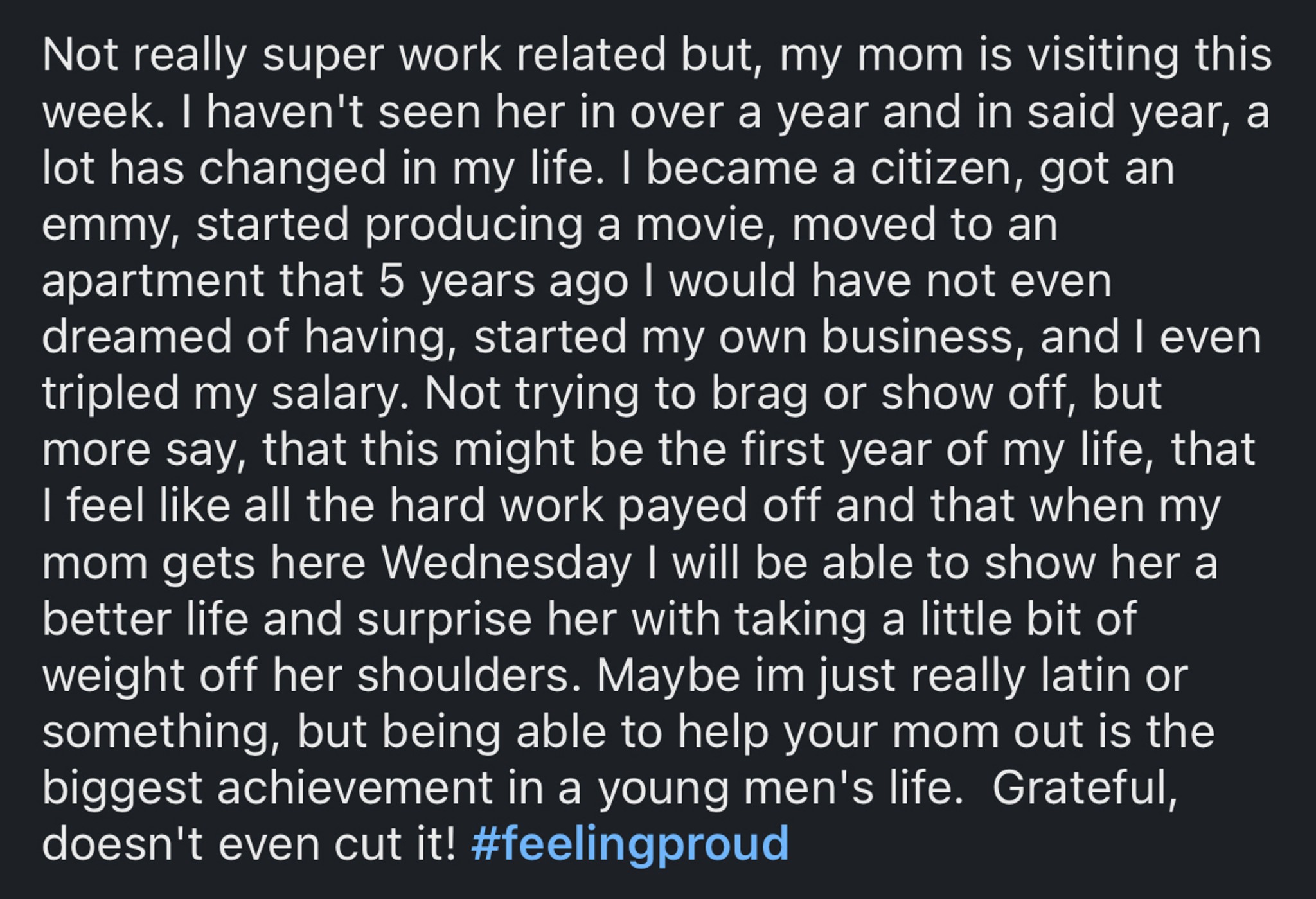
Definitely not bragging or showing off …

New to Fishbowl?
Download the Fishbowl app to
unlock all discussions on Fishbowl.
unlock all discussions on Fishbowl.


Sit down and chat, whether over coffee or whatever. Get to know them as a person and build relationship with them asap. Hope it helps, if not, then it could be a personal issue, like they applied for your position and got denied or whatever. But let them know you're there to support them and hopefully that'll help
This is the right approach. They probably are upset about something.
As a leader/manager you will always encounter people that don’t respect you for one reason or another. Give them every opportunity to improve. Communicate clearly and be consistent. Maybe have a 1:1 meeting with this person, communicate that you’ve noticed these issues and explain why it’s important to work closely and communicate effectively as a small team. Also explain what you would like to see done regarding improvement, so that there’s no grey area in terms of the changes you’re expecting be made.
I like to try to frame my meetings as very informal and as a conversation and less as an I’m talking at you type thing. Allow space for a response after you communicate your concerns, if they don’t say anything ask them what they think if contributing to the issue. They might not even be aware they’re doing it or that expectations are not being met.
Communicate a very clear follow up meeting timeframe, “we’ll follow back up in a month and see where we’re at.”
There’s a chance they’re just blatantly and purposefully being subordinate for whatever reason. The reason itself doesn’t matter so much to me as the actions one displays. If you are there boss they need to treat you appropriately as such. So… if behavior doesn’t improve you follow the tiered method of at each follow up meeting, maybe monthly or whatever frequency you choose, you give verbal warning and reiterate expectations and examples of how they’ve failed and how they can improve them written warning and same convo then final written warning same convo and then fired.
I usually don’t even go through the tiered method, I have a few convos and then if no improvement I just let them go. I feel like formal warnings don’t set the stage for a healthy mental space to make improvements … BUT… if you’re bigger org HR will want a formal and very document structure.
Also make sure every convo and meeting is followed up with a recap email so that meetings and topics discussed are documented. You will need that if there’s ever a wrongful termination accusation or report to EEOC. As long as everything is documented you’re golden.
When it comes down to it, you do have to choose to handle as you see fit and what’s right for your style and your team. Every manager does things differently, so just do what you know is right. You WILL make mistakes bc that’s part of being the boss, there’s no rule book and there shouldn’t be bc every team is different, but you will learn along the way.
Also keep in mind that you will have employees that think ill of you for not being able to do their job. The thing most ppl are lacking in understanding is that you won’t and will never be able to do everyone’s job. You weren’t hired to do everyone’s job you were hired to manage the experts in the field. That’s why they are there, to do their job so you can do yours. Don’t EVER let your lack of experience in a specific field intimidate you. You’re a leader now, you’re no longer a cog in the machinery you are there to make sure every cog is working accordingly so that the machinery can run as a whole.
I'm really grateful for your response! Very useful insights 👍
I have faced this many times in my career as a manager. First remind yourself that you are not there to be friends and not everyone is going to like you and that is OK. I would say stay professional with the person and during your next one on one let them know you are there to support them and help them grow. Ask what their aspirations are and talk about how you can help them get there. It will take time to win them over because they probably do not like change. It is always hard for employees to “train” their leadership on how to do the day to day but ask for their feedback and thoughts as you learn. Even if you don’t use all of their feedback at least they feel like you are willing to listen and their thoughts and opinions matter.
Thank you! 😊
Mentor
Get to know them, show them grace and support, but document the fuck out of this situation (dates and times along with observed behavior, business impact, and actions you took to address it -use those phrases as sections in your documentation)
…and (this next part is extremely important, so read it twice) control the narrative by telling your manager about this, including your plan for getting things on track. In your one on ones with your manager, make sure you bring up the latest developments in this situation. Express them as observed behavior, business impact, and what you did to rectify the situation, as well as the general trend of how the employee is doing. In these meetings, show empathy for the employee in front of your manager by saying things like “ this is probably tough for Peggy Sue because it’s a big change” or “ I realize that this may be a challenge for Peggy Sue because it wasn’t what she were expecting”
This isn’t the first time that this will happen to you. Often you’ll take a leadership role in a team with someone else wanted the role and didn’t get selected or looks at your demographics and decides that you should not be “in charge” of them.
Welcome to the Thunderdome!
Challenging for sure. Consider going to search.Accenture.com and looking for “People Leadership Credential.” it’s a newer training course with the first part rolled out. I am going through it myself, and I think you might find some ideas.
If it continues, you could ask for input from HR. Or you could schedule a one-to-one where you raise your concerns and document. I would speak only to the specific behaviors / concerns versus the message of sabotage … similar to “ I’ve noticed that you often don’t return my emails or don’t return them in a timely way, and wanted to ask you about why that’s happening?”
Thank you for the helpful advice!
I agree on all points and responses. Being new to managerial levels, new to the industry and new to the company will cause concerns for those you manage. I would also suggest you talk to your manager about the teams/ and individuals history at the company to give you some insight as to who they are. That will help you frame your approach.