


Related Posts


More Posts
Anonymous User

Conversation Starter
20Week MA now at 32k 👍


My post is for a lot of folks here who complain about managers not budging to negotiations and not offering package ,what you are expecting.I have one thing to say,there are lot of ibm employees who moved to kyndryl. Inspite of lot of contributions they are earning meagre salary.Now do you expect these people to hire you for more package most of time the package you are demanding is more than what these managers draw. So pls do not look at kyndryl as any other startup.Thanks.
Any news on mid year promotions??
Come on Bears we need a win!


Community Builder

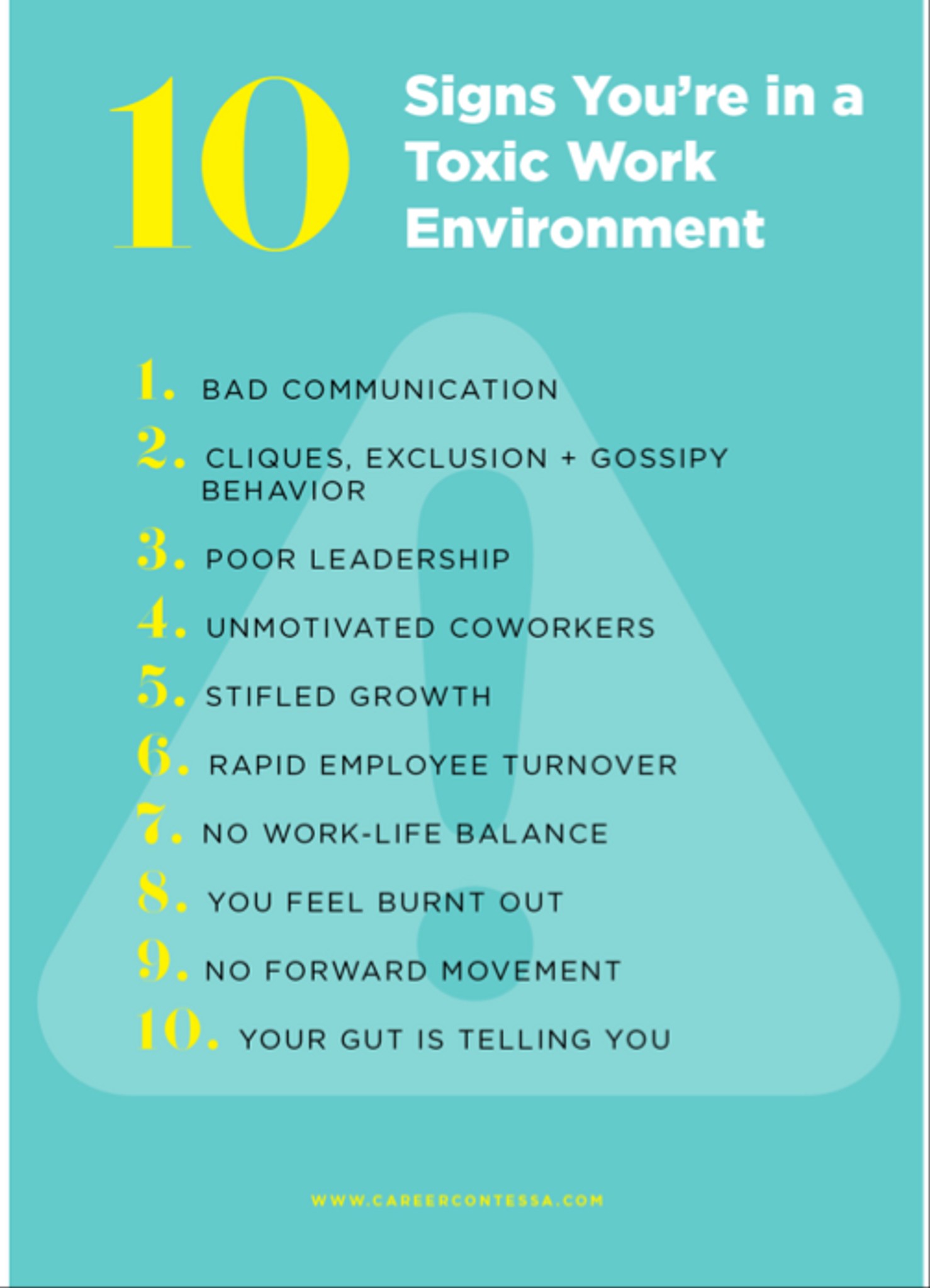
Are you in a toxic environment?
New to Fishbowl?
Download the Fishbowl app to
unlock all discussions on Fishbowl.
unlock all discussions on Fishbowl.


Wooof. This is a tough one. Reading and talking to people about their experiences helps.
But, def difficult to prepare you for reality.
Every situation is different. Hopefully you are fortunate to be in a good environment with good people.
It’s amazing how many people will try to undermine you, go above your head, will be your subordinate (sorry how that sounds) but feel like they have ‘power’ over you (men). It’s shocking how even people who you do the absolute most for, might even stab you in the back if it suits them in the moment.
That’s what I wasn’t the most prepared for. I was always (am) so loyal to supervisors and respect the chain of command (even though I’ve almost always reported to aloof and absent male “leaders” that never had my back while I completely had theirs), but other people don’t necessarily have that same respect. People can really be out for themselves.
It’s amazing that you can be a better leader than any leader you’ve ever had and people won’t often appreciate it, and often, will take advantage of your kindness, openness, and willingness to take feedback and suggestions vs being a dictator.
I can, to a point, see why so many leaders have a few steps/keep a large distance between themselves and their teams. I’m too supportive of my team and invested in our and their success to be that way - but I can see the sentiment.
I would say one SUPER important thing, is to reallllllly be sure anyone you hire is what they claim to be. That’s been my biggest struggle (working in a weird city for my industry, and having a limited talent pool and people willing to relo). Bad hires can really hurt teams, and people are difficult to fire these days. It’s crazy how many people outright LIE about their experiences, their personalities, how they approach work, if they would fight for the org and negotiate, or if they are 100% the bare minimum types. GET REFERENCES ALWAYS!!!
One important thing is to understand that people are motivated differently. You need to approach them differently at times. Understand each person on your team for who they are. I had an old boss say “I don’t treat everyone equally, but I treat everyone fairly.” Meaning, each person will need a little bit of a different style of support and attention from you. Leadership is not a one-size-fits-all.
Good luck.
This! It is very rare for people to tell the truth.
Management can be fun, but keep your eyes open for any sharp elbows and knives.
What a gift to have a couple months to prep for the transition! And, way to go intentionally using that time.
3 things:
1. Buy, read, and re-read Crucial Conversations.
2. Advocate for the org to help pay for an external coach.
3. Remember that what makes people like a manager is different from what makes people like a friend. Make a list of the things you like in manager and then aim to demonstrate those qualities/behaviors. Keep the list close to remind yourself in the more difficult moments.
That's a really great question. Here's my (very long) take on the therapist vs coach idea (personally, I have both and they serve different, though complimentary, roles for me):
A therapist is trained to help surface and process trauma and other things learned from childhood and past experiences that we've created into negative patterns in our lives. I see therapy as my way of looking back so that I can heal and move forward differently.
A coach is focused on helping us look forward, set goals, and hold us accountable to them. Most coaches have a coaching focus (eg business, leadership, career, life, health, etc.) And even an niche within that area. That doesn't mean they can't help outside of that area (since the skillset and tools are the same) but that they target one specific challenge. This is nice for clients because you can find someone focused specifically on your challenge/area you're working on. Coaches also focus on accountability so that you're moving forward on your goals.
Of course, there is overlap there- some therapists also serve a coaching role where accountability is part of the process. And, therapists do also set goals- what is the big picture of why you're seeking their support. On the other hand, coaches typically need to be careful of knowing the line between what they are trained to do and not.
As far as ICs having career coaches- YES. I personally always recommend external coaching (not that it's always an option for folks.) A coach can support personal growth in the work place, can help map out and have accountability towards career growth plans, and can help with technical aspects of negotiating or transitioning. And more. Personally, I have a client who is an IC who was on track for a PIP, but through our work (really her work, since she is the one taking action) having her boss ask her to stay with the org. In fact, if I had more coaching as an IC I likely would have done better as a manager when the time came.
Hope that really long winded message helps.
Congrats!
SHRM and Harvard Business Review are great resources!
I would recommend Hamza Khan’s TED Talk “Stop Managing, Start Leading” and also his book “Leadership Reinvented”!
Mentor
Podcasts: Coaching Real Leaders, Dear HBR, Work Life with Adam Grant
Best preparation is thinking about the best and worst managers you’ve ever had and remember it as you’re dealing with your team
I'm a new manager and Radical Candor by Kim Scott is an amazing book to get you started
Congratulations! What an exciting time for you. I love Brene Brown’s perspective on leadership and authenticity. Radical Candor is also great. Take time in your new role to listen. It will make you the best manager because you’ll be able to know your people and figure out how best to motivate them, which can result in the best performance. Seek advice while you are in the role and ask for feedback. Enjoy the experience!
Leading with questions , the first 90 days
I recommend, if you can afford it or if your org will reimburse you for it, the HBS Online course on Leadership. Coursera should also have a leadership 101 course or two and may be a less expensive option. I have done both and find them extremely helpful for their frameworks to help structure my thoughts and approach to managing.
I agree with some of the suggestions here so far: 1) Brent Brown is an excellent speaker on communication and authenticity 2) identify qualities you have found admirable in your leaders/managers and aim to emulate them. Not yet listed, if you have people in your network who are people managers already, reach out to them. Cultivate your network so that you have a group who can help you with suggestions as you go.
Congratulations! Best of luck.
Brene -- not Brent. :)
https://www.amazon.com/Yellow-Suit-Guide-Women-Leadership/dp/0985050985?ref_=ast_author_dp
When you manage people part of your job is to learn who they are and give them what they need to succeed. Not every employee is the same, will work the same or needs to be treated the same by you.
Brene Brown anything- podcasts, books, etc.
All of Bruce Tulgans books - go to “rainmaker thinking” and access his videos or train with his on demand training. He’s amazing - especially for new people managers or refreshers for experienced people managers.
NO business book is going to teach you how to manage
I’m not sure how you gathered that I feel insecure about my abilities. I am confident I will learn as I go, but I am a lifelong learner and enjoy reading and listening and being open to different leadership thought practices. I think we could all benefit from cracking a few extra books and Ted talks and being open to others insight and perspective.