

Related Posts

Rising Star
GSP San Fran or Leo Chicago?




Conversation Starter
What is your 5 year plan?

Additional Posts in Designers
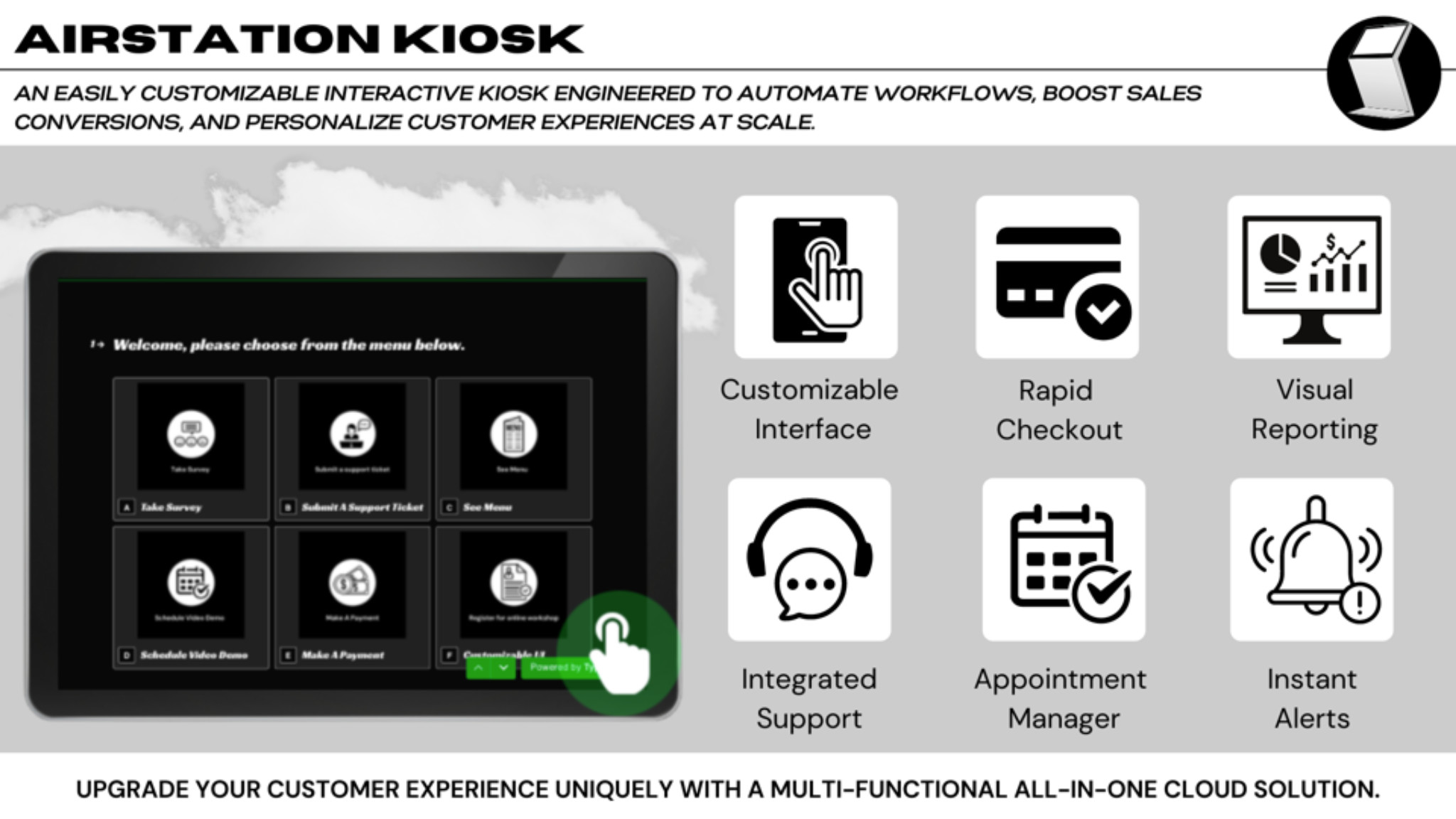
Hey Bowlers, I launched an interactive kiosk leveraging Typeform to automate onboarding and personalize customer experiences at scale.
Key features
- Rapid Checkout
- CRM Synchronization
- Integrated Slack Support
- Data Manager
Open to pessimists and optimists alike to give honest feedback on what you think about the product. In search of teaming up with a designer (with pay) if you have useful insights or better story telling abilities. (See link below)
Please and thank you.
https://www.canva.com/design/DAErzR4fnbU/94_1cMfCiV9zU_pHWhZG8w/view?website#2:take-action-now-and-receive-a-50-discount-offer-expires-10-17-21



Coach
Best online classes for newbies?
New to Fishbowl?
Download the Fishbowl app to
unlock all discussions on Fishbowl.
unlock all discussions on Fishbowl.


I've taken on some freelance social media and graphic design work. It's not enough, and I'm still burning through my savings. I may have no option but to try to find a cashier job somewhere. I hope the industry gets better soon, but I'm pretty worried we have a few years of this ahead of us.
It could take several years to get better. 4+
I hear you, and that pressure is real. Here’s a straight plan for right now:
First, get income moving.
Skip stressing over certs—your design background is full of problem-solving and client skills. Rewrite your resume to highlight that, and apply for local tech support roles at schools, libraries, or small nonprofits. They often need reliable people more than paper qualifications. Remote customer service for software companies is another good fit—you already speak “user.”
Next, plug small cash gaps quickly.
Sign up for UserTesting or UserInterviews—you get paid for giving feedback on websites and apps. It’s not steady, but it’s something. Look for one-off design tasks on Upwork, like resizing graphics or cleaning up decks.
But don’t let go of design.
While you do this, protect your future. Spend even just a few hours a week keeping your skills visible—update one portfolio case, connect with someone on LinkedIn, or watch a short tutorial on a trending tool. When you’re ready to pivot back, you’ll frame this time as honing user empathy and resilience—things every strong design team needs.
And one more critical thing: don’t just apply online and wait.
Make sure your resume is sharp, with key achievements clearly highlighted. Keep links to your portfolio and LinkedIn short and easy to type on a phone (use a link shortener like Bitly). Then, take physical copies to offices or companies you’re interested in near where you live. Ask for the manager or HR. Introduce yourself briefly and leave your resume. The more ways you market yourself—online, in-person, through networks—the better your chances.
You’re not starting over. You’re using your experience to adapt. One step for now, one eye on what’s next. You’ve got this.