

Rising Star
Related Posts
How much do partners pay for health insurance?




Community Builder

Mentor
Hi , need likes for DM Feature , Thank you.
Suggestions for at home teeth whitening?

Hi folks
I wanted a suggestion from you all guys, I have given interview of PS and got a call for offer after interview and I denied the offer as I have received an offer from some other company, I denied coz I was not doing offer shopping or piling offers, he tried to convince me and when I didn't get convinced he said to blacklist me from PS. What to do?
Publicis Sapient
Additional Posts in Cooking
Made Cacio butter


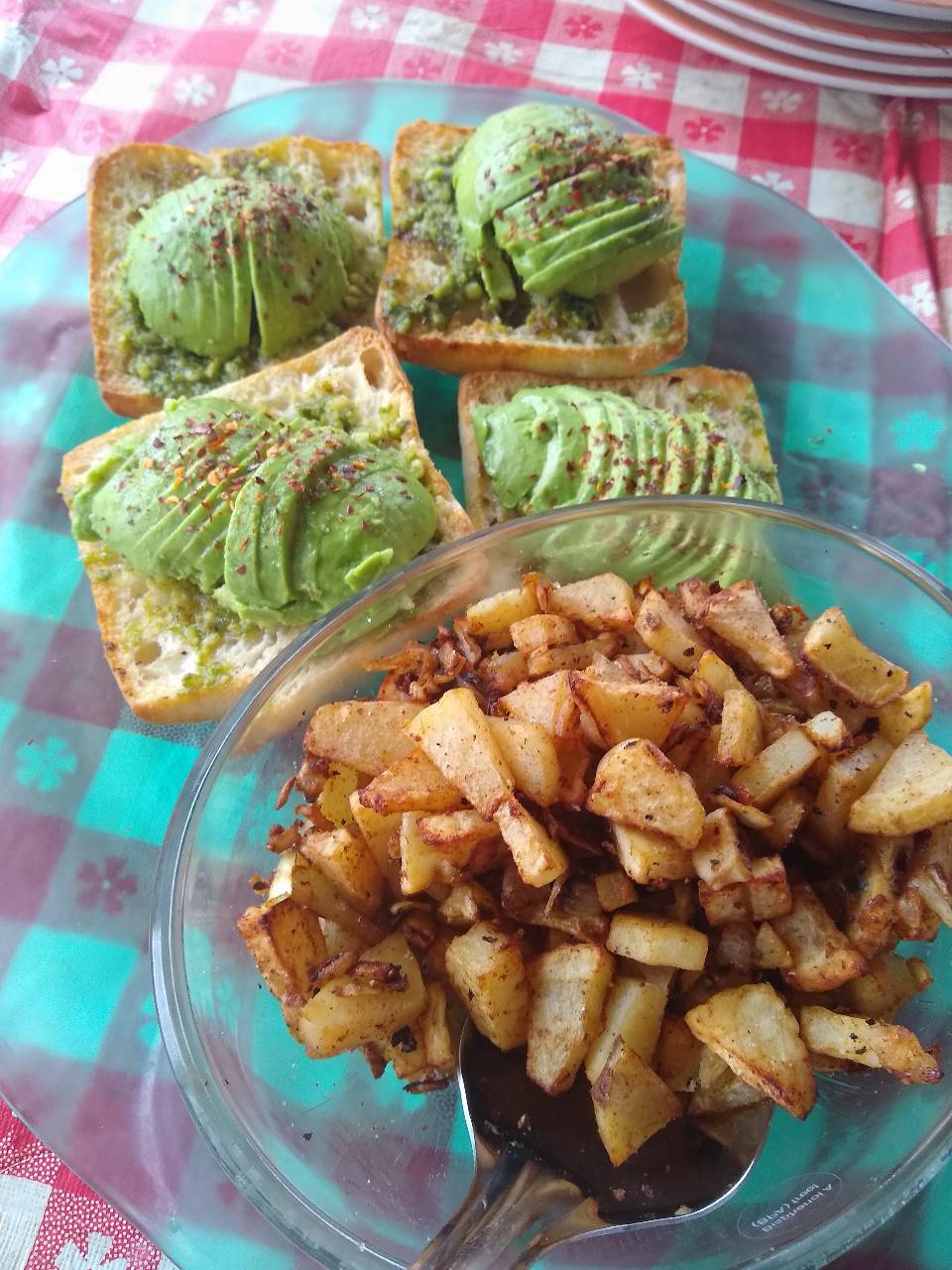
One I was proud of

Vegan Chocolate Cake


Bowl Leader
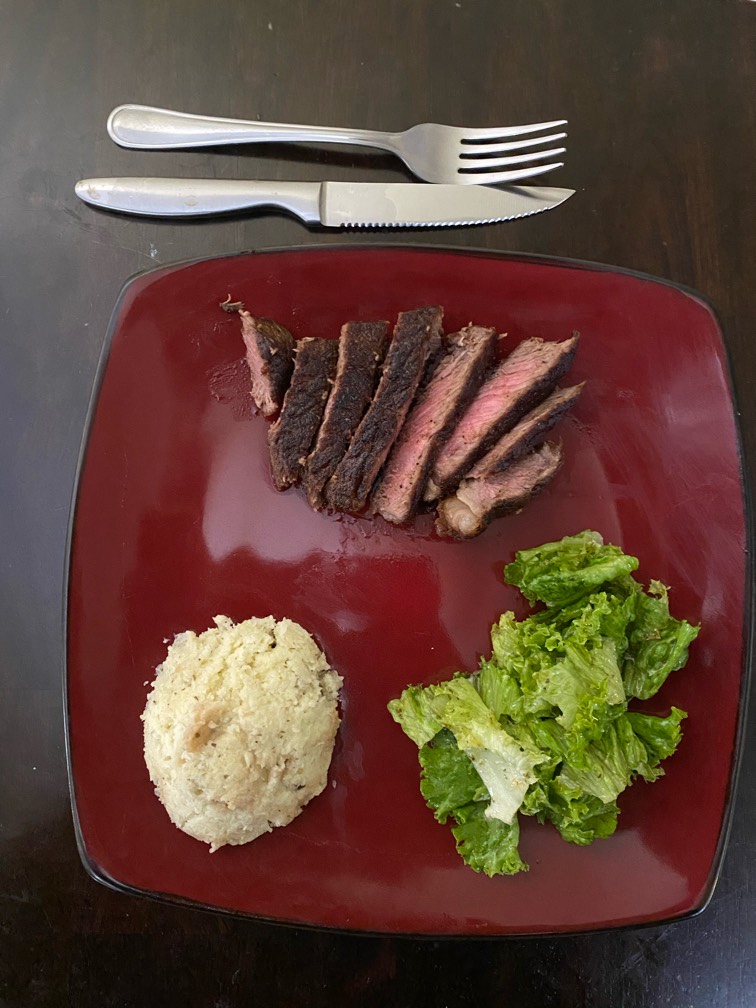
First time cooking steak. Yay or nay!


Bowl Leader
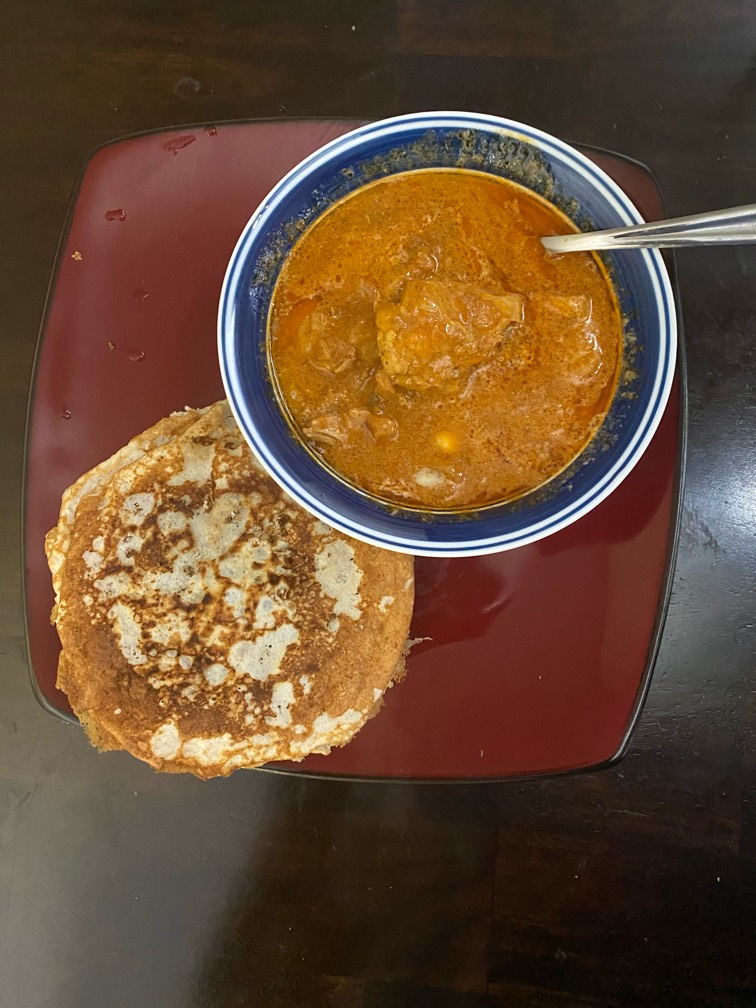
Butter chicken and coconut flour tortillas

Pizza I assembled... (not from scratch)


Bacon cheeseburger soup (with ground turkey)

New to Fishbowl?
unlock all discussions on Fishbowl.


Enthusiast
I guess you could say that was a lye...
Rising Star
I really like your comment very punny
You can use soap now. That advice came from when lye used to be in soaps. Just make sure to thoroughly dry and routinely reseason!
Rising Star
Oh really that’s interesting. Thank you for your comment. How do you re-season it pan
No reason not to use surfactant detergent to clean seasoned carbon steel or cast iron pans. The “no soap” rule was from back when ALL soaps were lye/alkali based.
Lye (the alkaline liquor resulting from mixing wood ashes with water) and some sort of fat.
Soap was typically made in the autumn, when the literal “fattened calf” was slaughtered before the lean months of winter. Or a hog. Either way, the animal was male, had been fattened up in months of plenty, and since males neither gave milk (cows) nor gestated offspring (cows or sows), they paid for their keep by giving all.
Meat was eaten or cured. Sausage and hams made. Beef salted. Bacon made. Skins tanned or fried into cracklins. Bones & sinews simmered into soup and gelatin.
Fat, glorious fat, was rendered into tallow or lard, with the lowest quality fat boiled with ashes and water to make soap.