


Visual Storyteller
Related Posts
Anyone familiar with SmartHop?



Rising Star

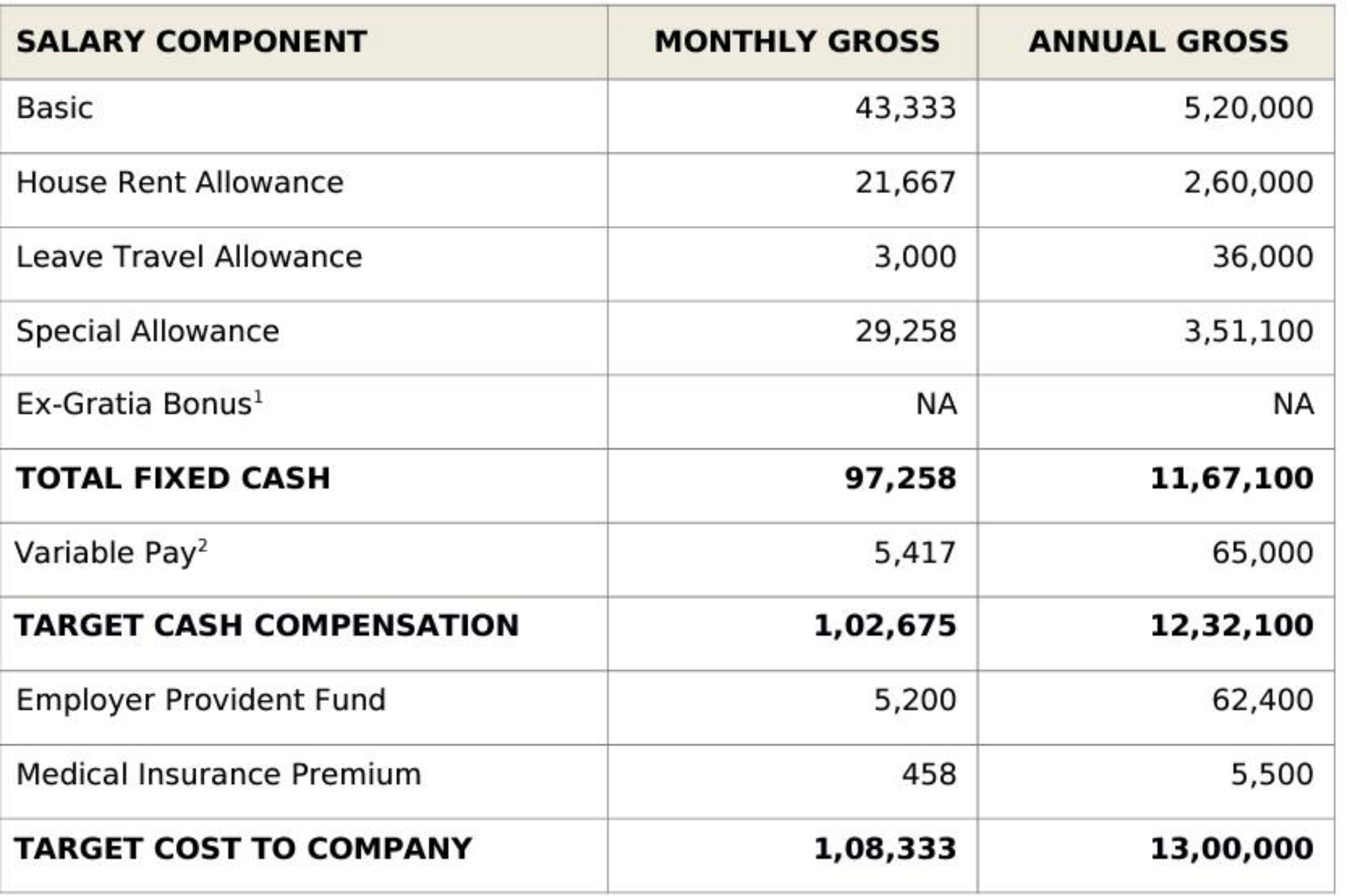
Cool job offer for AD


Bowl Leader
What will be the in-hand for this offer?
Rising Star
Additional Posts in Math Educators

a High School Algebra Teacher

an Elementary School Mathematics Teacher

New to Fishbowl?
Download the Fishbowl app to
unlock all discussions on Fishbowl.
unlock all discussions on Fishbowl.


I have not been able to completely accomplish this. With my high school students, I am able to have conversations instead of direct instruction. It is still a work in progress with my younger students.
Yes and I love it!!! Every student has a 27”x16” dry erase board ($15 bathroom board sheets cut from Home Depot). They work individually,partners or groups….Most class work is on these…also use for group presentations. Stations also allow you to facilitate learning…so much more fun to teach this way.
I think the hardest part about this is designing the “discourse” when so many teachers are given curriculum and expected to teach from said curriculum. NO curriculum I have ever used creates learning opportunities like the ones mentioned in the article; those would have to be designed by the teacher (#ditchbook). And if we don’t have a solid foundation and understand ourselves of how those skills are applicable and can be made meaningful, then I think it’s hard.
Personally, I love using story telling as a way to engage my students in real world problem solving that requires asking questions, finding information, and ,yes, math! Haha
I would love to make this shift, but I keep running into issues of time and resources. The kinds of activities the article speaks of require a lot of time and effort to set up. It’s not a resource I have, and by the end of the school year, I’m too drained to think of working on these things for the bulk of the summer.
I would be really interested to know if anyone has made this shift with struggling students. The idea of struggling for knowledge is great on paper, but I’m hesitant to try it on my intervention students who already hate the struggle because they feel it’s all they ever do. How do you create a mindset shift in that group?
Sadly, yes. Been doing that for years. People think that putting the kids in group is so great, but they just talk and don't complete work. Only the good kids do it, and yet admin walk around and think it's so great. Most students in my district are way behind in math (can't even add or mulitply) in high school. So, yeah, I'll put them in a group and magically the 4th grade level students will be able to solve higher level algebra concepts or geometry. It only works if kids are grade level.
I think it’s based on planning the questioning and conversation that you’re going to present, based on what you believe your students already know… through observation, previous work, assessments and just common prerequisites for the content you’re trying to deliver.