

Related Posts

Hi fishes, Need suggestion which one to join PwC India or Infosys YOE 3+ SAP functional Associate consultant role PwC offers me 9 LPA + variable pay Infosys offers total ctc 9.6 LPA
Which is better to join and in terms of WLB, hikes , bonus, Work culture etc..
As I'm shifting frm domain based company into full time consultant firm.



More Posts

Conversation Starter
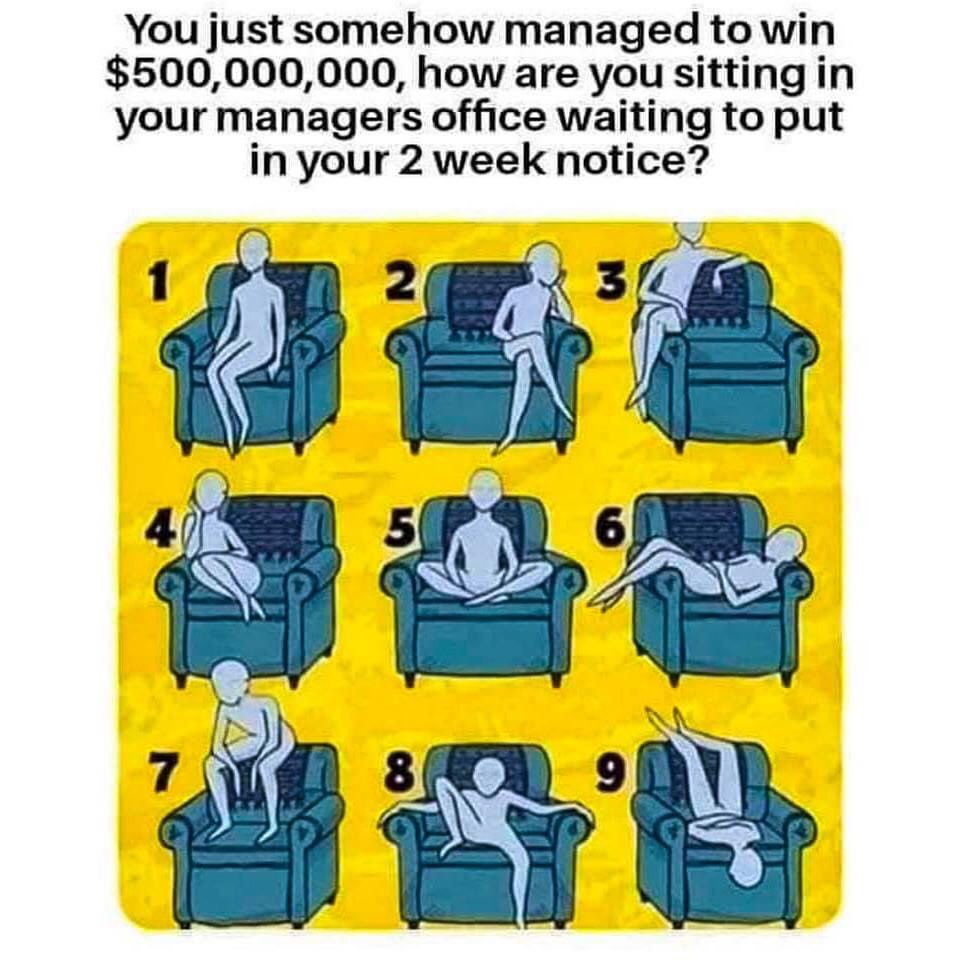
6, 8, or 9

Conversation Starter
Additional Posts in Career Pivot
New to Fishbowl?
Download the Fishbowl app to
unlock all discussions on Fishbowl.
unlock all discussions on Fishbowl.


This happens all the time. Look at the number of NFL QB’s that are considered washouts after one or two teams, only to become All Pro when they land in a spot that plays to their strengths. Regardless of how you handle it in interviews, the key thing is to internally understand why you struggled. Was it something technical that you could not get your arms around? Was it your manager’s or client’s style? Was it something else that you did not grasp going in that you should have? Be very objective with yourself so that a) you make sure you do what you can to make sure you are better prepared in the future; and b) that you understand what styles & environments your work best in…and try to avoid ones that are not a good fit.
A lot more people go through this than you probably realise — especially in consulting, where fit, timing, leadership, and project dynamics can heavily shape outcomes.
One difficult 6-month stint does not define your capability or long-term trajectory.
The fact you found another role quickly and are doing better now already tells you something important: the previous experience was not the full picture of your ability.
What often hurts confidence after a PIP is treating one experience as “the truth” about yourself, rather than one data point in one environment.
A few things that help rebuild confidence:
* Separate your identity from one employer’s assessment.
* Look at objective evidence — are you performing better now? Usually the answer is yes.
* Remember that some environments bring out your strengths better than others.
Also, confidence rarely comes back first. Performance comes first, then confidence follows through repeated wins and experience.
Many strong professionals carry scars from one bad role or manager. It’s much more common than people admit.
I had a job years ago working for a company that had big plans but bad execution. I found myself really struggling to keep my head above water and the stress was just ridiculous. After all I'd gone through, I wound up being laid off as the company entered a death spiral. The whole experience really shook me, I knew I wasn't entirely responsible yet I still found myself second guessing my own performance. I eventually recovered but it took time, for a while I really doubted my own competence.
Since it was so short. Why can’t you say the consulting gig ended early. One layoff or PIP shouldn’t stop you in this layoff economy. Especially, since it’s on the news. You can also learn a new skill like AI! Divert the convo & talk about how you’re excited to use it. You might be in your head seriously.
I have been laid off and been in jobs that were terrible fits. First, separate the experience from your identity. Life happens. You need to redefine what the function or purpose of each job is that you take. Throw aside the notion of 'career' or 'resume'. Just figure out what you want each job to do for you. Sometimes, the job you take is one that gives you time and flexibility to reset and figure out what you want. Sometimes the job you take is all about challenging yourself or 'stepping up'. But lives are dynamic. Circumstances change. Context matters. What does progress mean for you right now? Focus on that, and reframe how you treat your current job and current job planning. Nobody is keeping score, your resume doesn't define you. Just keep making progress.