

Related Posts

Community Builder




Coach

Anyone have any good audit jokes or one liners?

Additional Posts in Designers

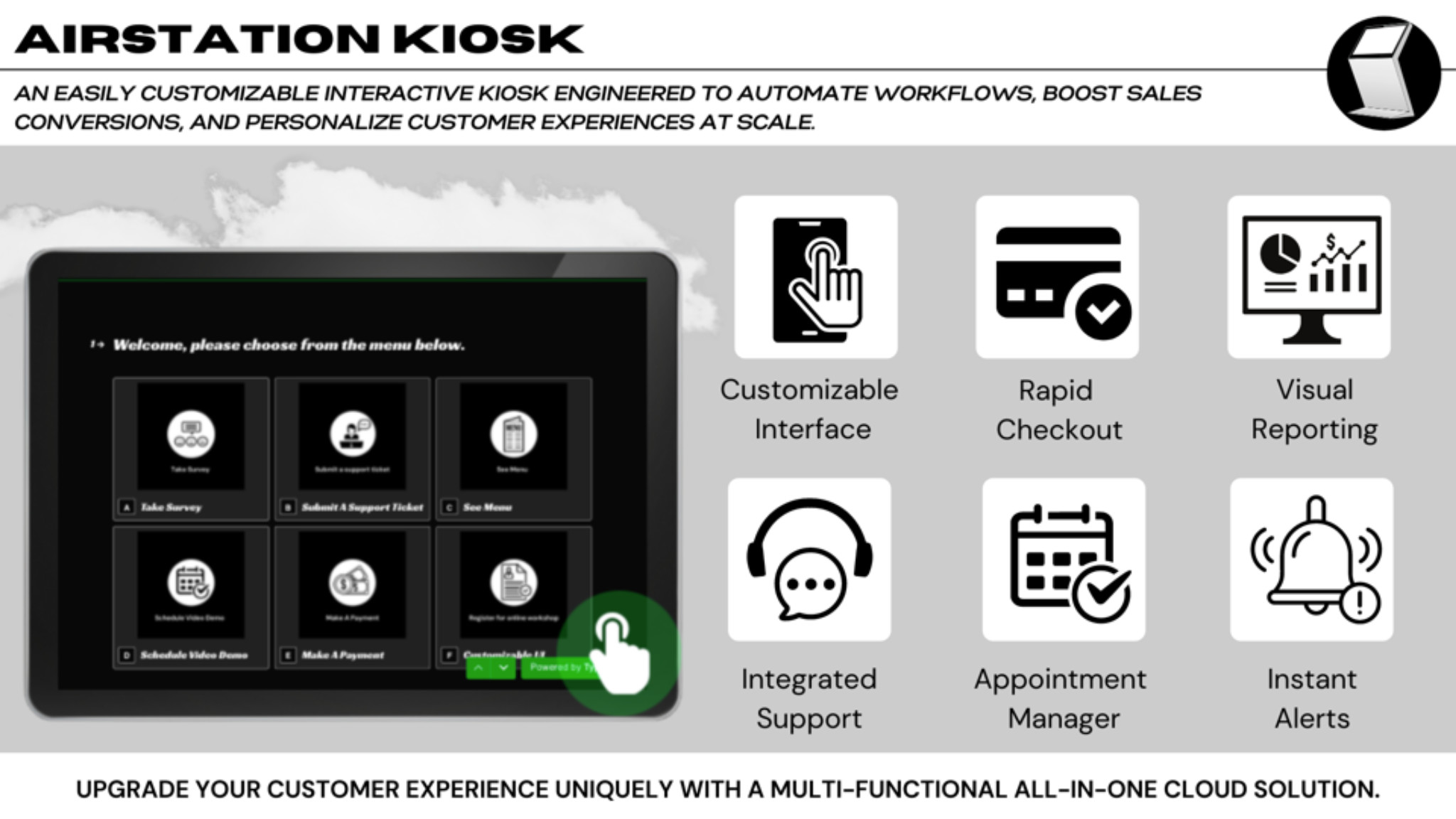
Hey Bowlers, I launched an interactive kiosk leveraging Typeform to automate onboarding and personalize customer experiences at scale.
Key features
- Rapid Checkout
- CRM Synchronization
- Integrated Slack Support
- Data Manager
Open to pessimists and optimists alike to give honest feedback on what you think about the product. In search of teaming up with a designer (with pay) if you have useful insights or better story telling abilities. (See link below)
Please and thank you.
https://www.canva.com/design/DAErzR4fnbU/94_1cMfCiV9zU_pHWhZG8w/view?website#2:take-action-now-and-receive-a-50-discount-offer-expires-10-17-21


New to Fishbowl?
Download the Fishbowl app to
unlock all discussions on Fishbowl.
unlock all discussions on Fishbowl.


5. I am easily manipulated by others.
6. I achieve(d) in school.
7. I am uncertain of my worth.
8. I get blamed for things I didn't do.
All of these questions are instantly discriminative to people with disabilities, such as neurodivergent conditions, but also mental health conditions too. (Autism, ADHD, Dyspraxia Social or General Anxiety, OCD, Depression, Bipolar, Borderline Personality Disorder to name a few).
These tests are both gross and downright lazy. I answer them however I think the hiring manager wants them answered rather than truthfully.
Completely agree. I only went through it because I wanted to see what questions were asked and that if I answered truthfully, whether I would have got to the next round. I have Autism, so when the question, ‘I have kept up with my peers socially‘ came up, I disagreed, as I didn’t growing up.
In my opinion, these tests make little to no difference in finding the perfect ‘culture fit,’ as people can lie, which also attracts the wrong kind of candidate, if you can’t be at least somewhat truthful.
Hi everyone
I do not understand those tests at all. I’ve heard people say it’s to make sure you are a ‘culture fit’, but I disagree. That’s the first time I’ve heard them be called discriminatory, and I think you are on to something.
I also disagree with companies saying they’re being used as ‘culture fit.’ At best, (which is still not great), these tests provide an unconscious bias. At worst, they can be used to outright discriminate. Such as: ‘We’ll only hire people who answer in a way that they come across as more extroverted.‘
Coach
Number 8 isn’t even about you.
I hope this isn’t your dream job. Sounds like a red flag place.
Also, just to state: That I looked at the company’s Glassdoor page and saw a review that said ‘rife with bullying,’ where people who are part of the LGBTQ community and those with Autism were essentially constructively dismissed. So, I wasn’t really surprised.
I think the biggest challenge with these assessments is how rigidly companies and coworkers respond to the results. Take the colors assessment for example. People make assumptions on how to interact with you based one of the four broad categories you fall into. Suddenly, you are now the exact same as ~25% of other employees at your company. Your individual responses and reactions are dismissed as, “Oh that’s the green in you!” Or “I knew you’d be the best person to assign this data task to because you’re blue.”
The assumption is it makes work easier by connecting based on these things, but it often times does the opposite. Out of all the assessments, I prefer Clifton Strengths because of the unique and individual traits it picks up on that’s different for each person and equips you with how to leverage the positives of those attributes and what to be aware of as potential pitfalls. It’s less about putting people in a category in order to understand them and more about equipping individuals with a personalized toolbox. I will say, though I very rarely see clifton Strengths used to its potential without investing time and money into one of their coaches or follow up training. Most times it’s companies checking a box. Much easier to just give them the colors test and pretend it’s helpful, sadly.
Is this test part of interview process? Sick...
It’s the first part of the selection process, to narrow candidates down for an interview, so you’re essentially judged against set traits when the employer hasn’t even offered an interview yet. So, people are being judged on traits and being asked personal questions that have nothing to do with being a great Graphic Designer.
Subject Expert
Yea I don't think that these are good/necessary questions to ask as a way to narrow down candidates regardless of disability or not. There's very clearly a "right" answer that they're likely looking for as responding one way can be see more positive than the other so it isn't the best way to evaluate