

Related Posts
I have an offer from Deutsche Bank, KPMG & Deloitte.
Keeping the package aside, which company is better in terms of growth, hikes, work-life balance?
Please share your inputs, its my first switch so I'm anxious about making the right choice. 😅
Deutsche Bank KPMG KPMG India Deloitte Deloitte USI Deloitte India KGS


Is the CVA exam worth pursuing?

Any tips or tricks for CSX certification?
More Posts

Conversation Starter


Rising Star
Just want to say Wah-tf?

Rising Star

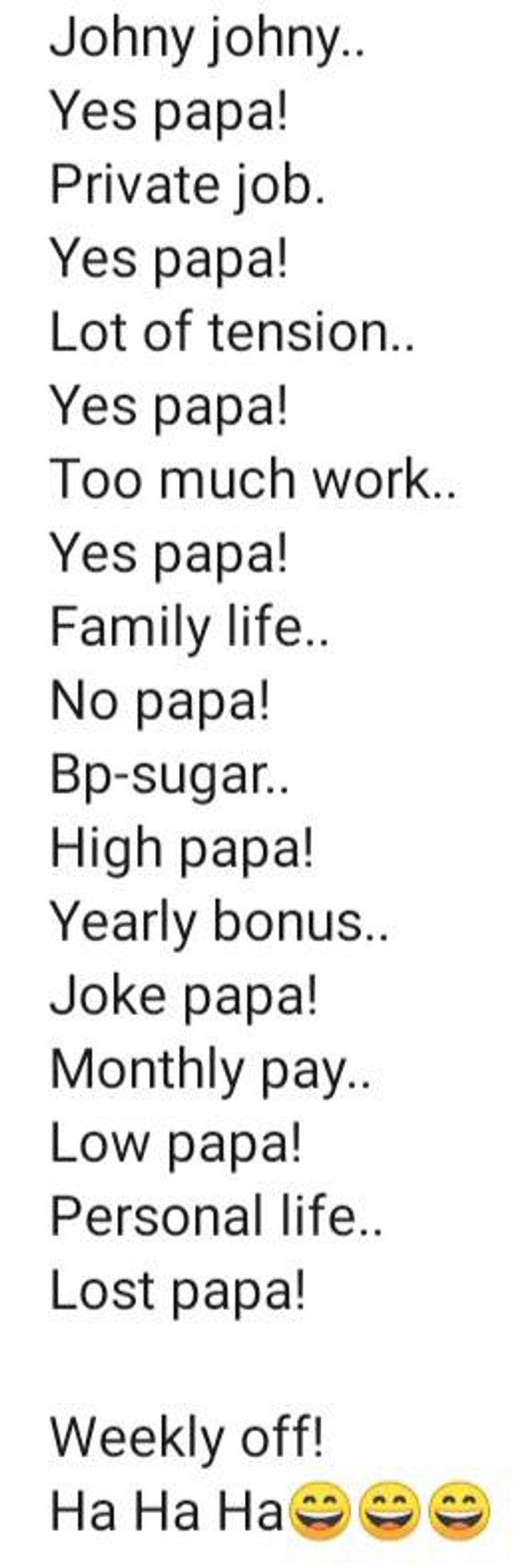
Corporate Johny Johny Yes Papa
Conversation Starter
Additional Posts in UX and UI designers 🚀

Bowl Leader
Bowl Leader
Bowl Leader
6 articles you must read if you are starting as a UI/UX Designer
📍How to become a self‑taught UI/UX designer
https://lnkd.in/dUgxXwjP
📍The ultimate Figma resource archive (2021)
https://lnkd.in/dQUgAdJc
📍A step-by-step guide to your first UX case study
https://lnkd.in/d5BB2wPW
📍All you need to know about colours in UI Design — theory & practice
https://lnkd.in/dTC-5mGy
📍The UX Designer’s Guide to Typography
https://lnkd.in/dmUxKhtc
📍Design / UX: Getting That First Job
https://lnkd.in/dJhnVPMQ
👇Let me know in the comments if you found this helpful :)
Bowl Leader
Bowl Leader
Bowl Leader
Bowl Leader
Bowl Leader
Bowl Leader
Bowl Leader
New to Fishbowl?
unlock all discussions on Fishbowl.


It feels like I'm expected to gain the experience while working, but I can't get into PD without the experience and I'm a sole designer at my current job
Do you currently work with a software development team and product owners? If yes, lean into that experience in your resume and portfolio, since a product designer is expected to fit right into an agile/scrum cadence of software development and know how to work closely with product owners and engineers.
Do you have strong case studies in your portfolio, as well as iterative improvements to any projects or features that you've worked on? Lean into that as well, and improve your storytelling skills to help "sell" your experience.
Ultimately Product Design is a lot about asking the right questions to find the right problems/solutions for your users, researching to validate your hypotheses, designing iteratively with your developers and product managers and stakeholders, then validating those designs again to deliver on the best solutions possible, and seeing those designs through delivery with your engineers. It's also about designing systems that are efficient and scalable, that also have great UX and UI. There's more to the role of course, and it differs from company to company, but that's very generally how I would describe my role.
If you truly don't have this experience, and you're not learning these skills at your current role, you may need to switch jobs into a more tactical UX heavy role (as opposed to UI/visual) with a company or team that actually delivers software or apps, before you're ready to try out a Product Designer role. It's a demanding position with high expectations, so also be honest with yourself if there's truly an experience gap. You want to make sure you not only set yourself up for success in interviews but also for the actual role.
Best of luck!
I’ve usually worked as a sole designer in the company. Right now I’m the only designer and there is a manager above me who seems to not have design experience. The UX decisions are made between the manager and CPO and I rarely have anything to say. I’m not a part of any tests that are being planned and conducted. We don’t do any workshops either so there truly is no chance for me to develop my UX skills in my current role. I know the theory, but I need to spend some more time working with a UX designer to see it in practice. I’m not sure what role to look for to develop those skills without taking a step back and a pay cut
These terms are convoluted. At my job, we are all product designers, just with a different area of emphasis. I worked more on hi-fi prototypes, and visual design is my most leveraged skill. I do some UX wireframes too. Some people on the team do more UX tasks, but essentially we all are "product design."