

Related Posts


Bowl Leader
Hers's my Cybersecurity awareness share for today, seven solid tips for all IT management to utilize in their security awareness campaigns.
Information sharing is vital to protecting our communities. Do your part and share!
#BeCyberSmart
#BeAwareandShare
#cybersecurity #management #share
https://embedds.com/seven-tips-to-prevent-ransomware-attacks/
So who else is at Hilton Orlando this week?

4+ hour delay at SFO. Happy Travel Day!


Additional Posts in Wine Club
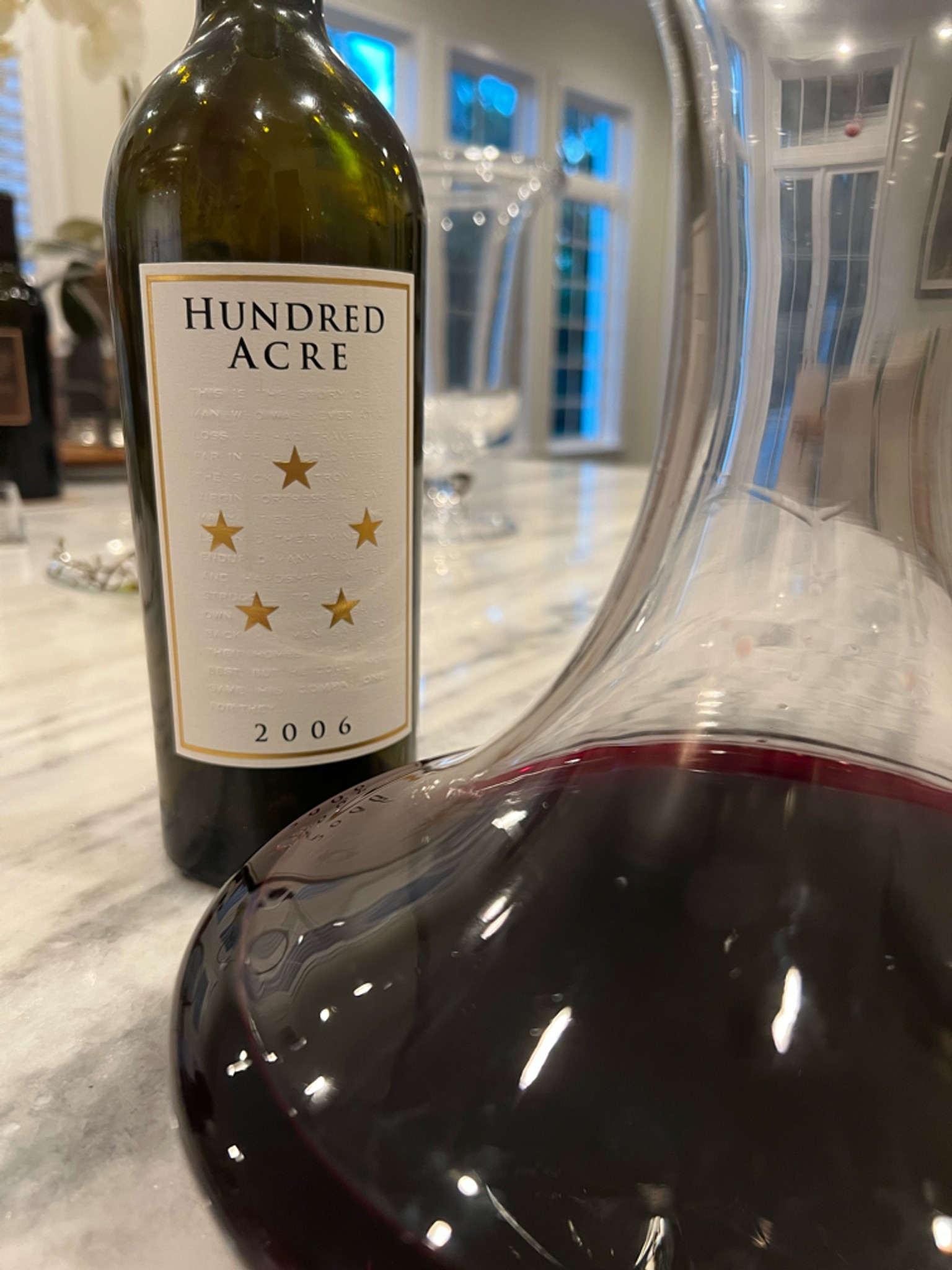
2006 Deep Time from Hundred Acre. Drinking well.



Visual Storyteller
[Weekend Wines] what’re you drinking?

Anonymous User
Visual Storyteller


NYC wine club meetup?
New to Fishbowl?
Download the Fishbowl app to
unlock all discussions on Fishbowl.
unlock all discussions on Fishbowl.


Toasty brioche notes, soft citrus, and tiny moussey bubbles are my indicators for champagne, but styles do vary.
Prosecco and cava tend to have bigger and more tart bubbles and definitely a sharper taste
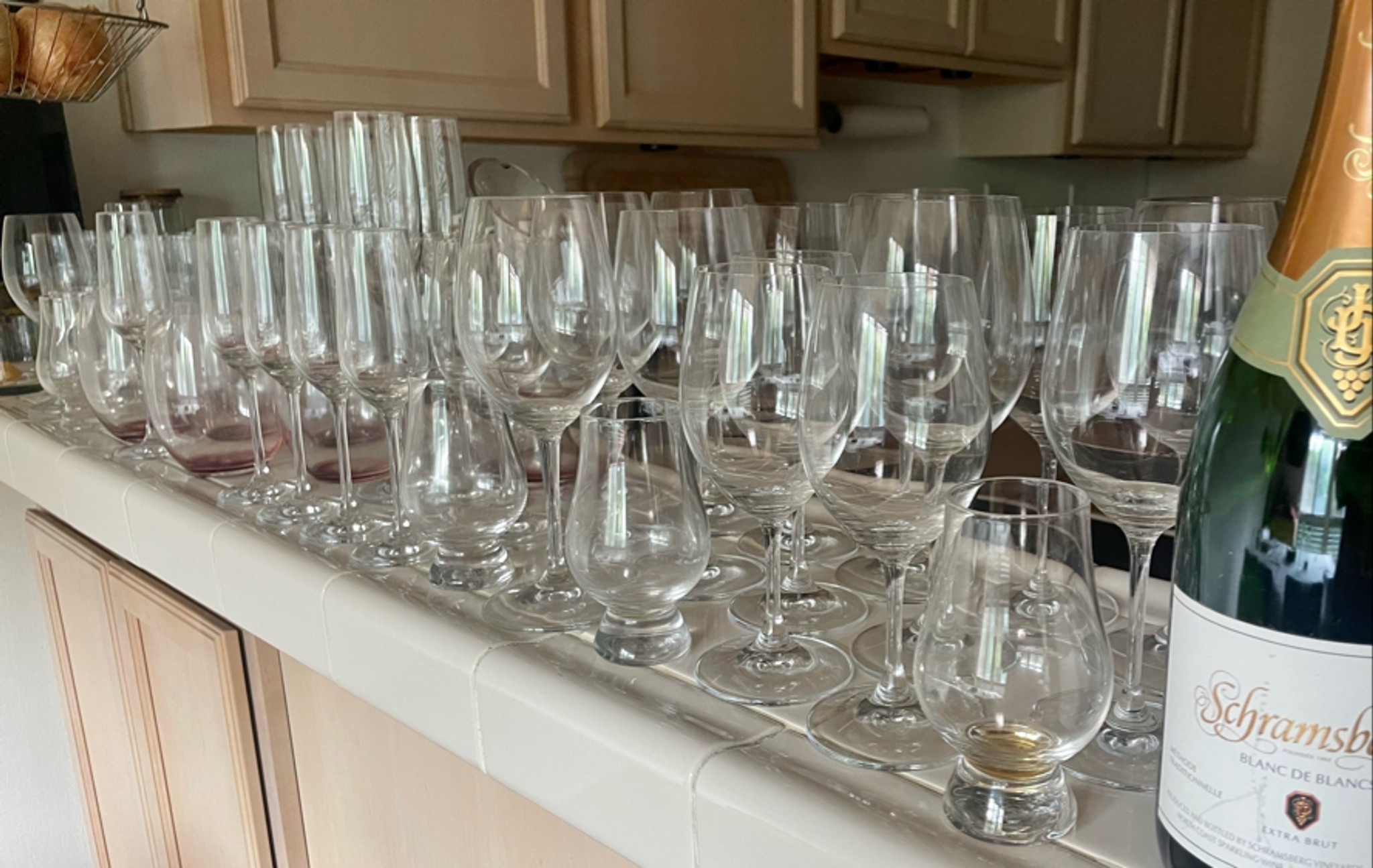
CA producers definitely use méthode champenoise. Schramsberg is the oldest and arguably the best at it. (There’s a reason they are the White House choice for state dinners)
Legally, champagne just means it is from the Champagne region. You can grow the exact same grapes elsewhere and use the exact same production processes, and it would be “sparkling wine”. “Cava” is a designation term that was created by Spain for places that could no longer market as “champagne”. Similar restrictions apply. Both fall into the more generic designation of “sparkling wine”.
So no, there isn’t a difference in taste.
But yes, there is a difference in taste because even in Champagne you will find huge variety.
Every producer of sparkling wine has their own choice of grape varietals, their vineyards and growing conditions, variations on how long the fermentation and aging process are, whether aged in bottle or aged in a tank, different target levels of acidity and carbonation, some (especially the cheaper bulk producers) use a mechanical process to get carbonation instead of relying on secondary fermentation in the bottle, etc etc etc. All those things affect the taste in different ways.
If you want to get nerdy about it, I recommend finding a winery that does multiple sparkling wines for a tasting so you can start to learn how differences in grapes or techniques affect the results in a limited controlled set of variations. It’s harder to discern what affects which flavor when comparing across multiple producers.
Ehh, that’s partially true. France has a lot of challenges with “quality” level even within high-value appellations, but we don’t see that because it mostly only shows up in the cheap stuff on their domestic market. Just like there are some really questionable wines that come out of Napa that you probably won’t ever encounter outside of a restaurant or airplane.
If you want to export, you either have to be producing in very large quantities or very high quality to justify the bottling, labeling, and regulatory requirements to make it profitable.
No one who is serious about wine drinks sparkling wine
I don’t know how long ago you purchased, but these days neither of those are anywhere near $60/bottle even at the winery. 😉