

Related Posts

Coach


Conversation Starter
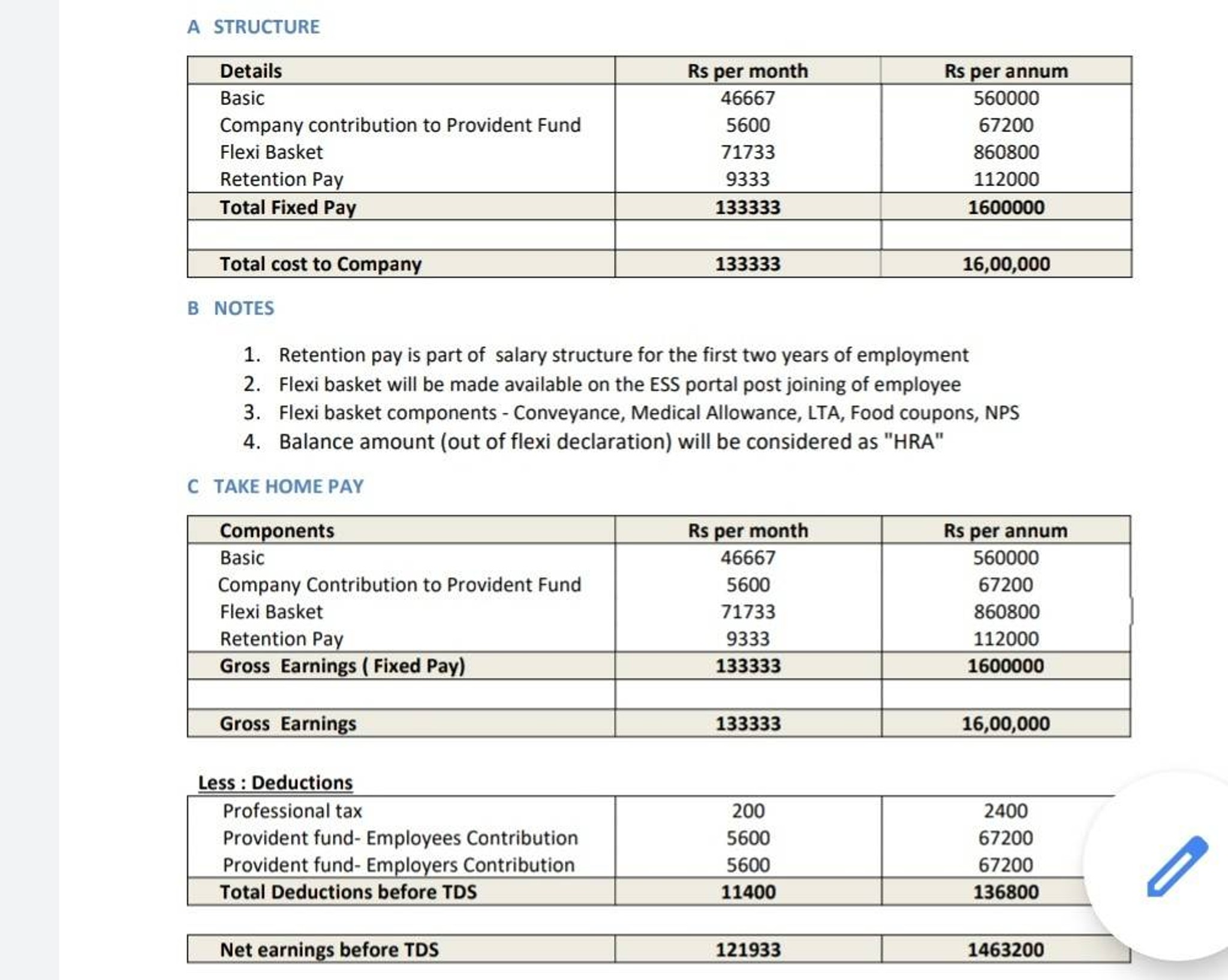
Please help me with the in hand salary



Bowl Leader

Jr. Cw Salary in LA?
More Posts

I don't want to be a manager anymore.
Anyone in MUC next Thursday thru Sunday?

Bowl Leader
Is a cover letter necessary?
Additional Posts in Private Equity and the Buy Side
Who are the HH in London working with CVC?
What does comp look like for PE ops associates?

Mentor
Is the CVA exam worth pursuing?
Do PEs offer singing bonus or relocation fee?
New to Fishbowl?
Download the Fishbowl app to
unlock all discussions on Fishbowl.
unlock all discussions on Fishbowl.


If you’re asking about differences, it’s highly dependent on firm and seniority. In general total comp will generally be at least the same or higher (gap widens more as you get more senior), work is more fulfilling because you see things through end to end (also a great learning opportunity if you’ve only ever advised as a 3rd party), hours are the same but you have more agency over them, average coworker is smarter, less breadth of benefits, but the ones that are offered are all great.
If you’re asking for the main reasons that consultants switch to PE ops, it’s typically 1.) comp and 2.) professional dev e.g., fulfillment / getting more ownership / seeing things through end to end
PE is more stable as it is more driven in the near-mid term by the funds life cycle, rather than the broader economic cycle.
That being said, your personal job security at the PE firm is in some ways less secure. Fewer chances to mess up vs. consulting. You disappoint the wrong PE partner you will be out looking for a job tomorrow. Consulting is more a democracy in that sense.
You have more ownership in PE ops than in consulting, but at the end of the day you are still ultimately working in an advisory capacity (that was my experience, at least). If you want to truly feel ownership, go be an operator. Going from PE ops to a senior role at a portco is typically a pretty attractive path
The other thing, and I can’t stress this enough, is there’s so much less of the political bullshit, bureaucracy and pointless initiatives
At my fund, it’s pretty much all output based, you still work a lot, but there’s no 20 turns on a board deck, no pointless internal initiative or last second RFP. You work hard, do good work and learn a shit ton and get paid well
Yes. Having to live with the consequences of your decisions brings a level of intellectual honesty that is just not present at all in consulting, where the objective is to sound smart and get your clients to like working with you.