

Related Posts

Tempted to buy 1 BTC ..


Decided to payoff my mortgage.

More Posts
Howz it working with DBS Hyderabad?
Additional Posts in Option Traders & Investing

Coach
Potential opp on the short side for TSLA?
- X
Coach
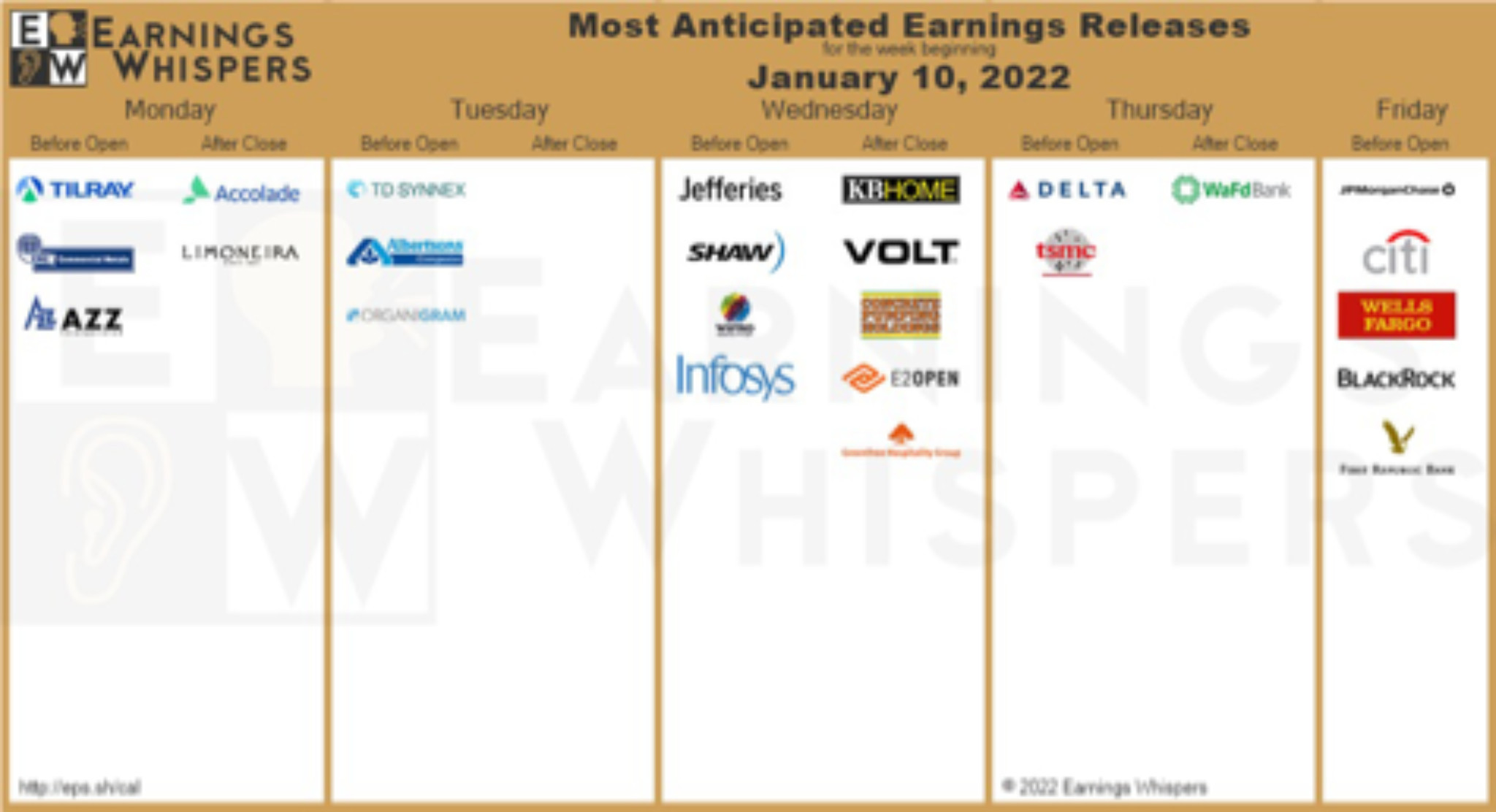
Earnings season is here!

Visual Storyteller
@BC what do you think about SHOP puts?



Mentor
Shifted more options profits into 250 NOK shares
Coach
Mentor
Is anyone planning on trading water futures?

$BABA got murdered today. Buy, hold, or sell?
Mentor
Thanks everyone for supporting and sharing.

New to Fishbowl?
Download the Fishbowl app to
unlock all discussions on Fishbowl.
unlock all discussions on Fishbowl.


Greeks and IV are critical before starting. Gamma the least so for short term traders. No options trader should trade with real money without deep theta, delta and IV. I'd add skew, but some succeed despite little understanding.
Can you help me understand skew?
Skew is the difference in implied volatilies (IV) between at the money (ATM) & (OTM) out of the money options. If you plot the various IVs of a ticker, it will look like a smile.
It is partly due to the cost of capital for the counter party, and you typically want to sell high IV, and buy low IV.
As an over simplified example:
Let's say you want to buy 1 contract of SPY calls. You bought 50 Deltas. The market maker sold 50 Deltas. Market makers are allowed very heavy margins, on the order of 100X. But they must be delta neutral. So now they have to buy 50 Deltas. In a simplified world, that means buying 50 shares of SPY. That cost money, because even with margin there is a cost for buying.
If, instead, you had bought 1 contract of SPY PUTs, the market maker would be positive delta as you are negative. That allows them to sell or loan out 50 shares, making some small amount in loan fees or decreased margin expense.
Now, the further out of the money, while the deltas decrease or rises, the probabilities, market depth, liquidity, and the change in IV related to a change in the underlying (in this case SPY) IV. Typically, IV rises in a falling market, and falls in a rising market. Also a 10% OTM option obviously has a lower probability of being in the money, but with the lower probability comes a lower extrinsic value in absolute terms, but an inherent higher risk of the cost being higher so the price is adjusted by increasing IV.
Market makers are trying to stay neutral and so price the options to minimize their risks.
Just as IV is the plug in a Black- Scholes options pricing model, skew is the result of the plug (IV) being modified to address potential changes in market prices.
I just reread my "simple example", and maybe it wasn't simplified enough.
Stable prices mean small changes in IV and VIX. Large changes mean large changes. Skew is the plot of all the IVs of a ticker's options for a single expiration.