

Related Posts

Anyone knows about the base for chase PCA?



Conversation Starter
Deloitte M2 advisory salary in SF?

UK fish - 1) Level 2) Salary 👇GO!
More Posts
What are the pay grades for C's and M's in S&C?
Can anyone tell me the Manager bandings for S&C?

Naming projects, love ‘em or hate ‘em?
Additional Posts in Human Resources

Pro

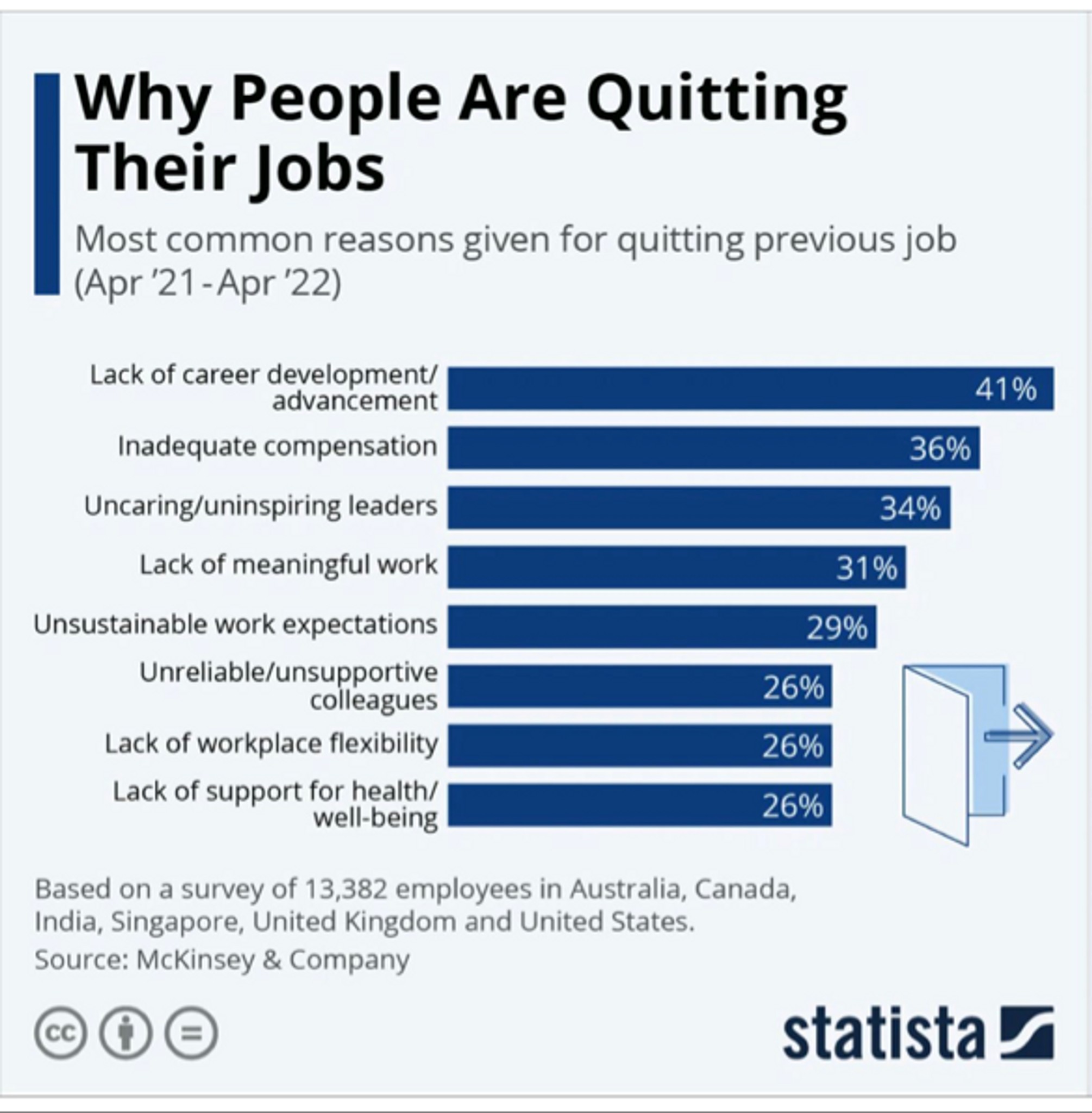
Why People Are Quitting Their Jobs
New to Fishbowl?
Download the Fishbowl app to
unlock all discussions on Fishbowl.
unlock all discussions on Fishbowl.


I would be cautious about comparing your salary to others. You should be using appropriate market data to really compare like roles. It’s sounds like your data may involve other roles, so what one person makes as a manager of HR is different then one person who is a manager of software engineering. Also each individual has unique experience, certifications, etc. so just be cautious how you analyze the data.
I advise you to use it, but do not bring it up when having a conversion with your manager. Instead, say that the market rate is xyz. I think I have been a great asset and would like to have a conversion on compensation. Your manager knows you can see it, but it still isn’t a good thing to “snoop” and admit. We can snoop all day, but shouldn’t address it.
Also - what is your experience? Do other managers in other departments have a higher market rate? For example, HR and Finance should not be in the same compensation level. Now if there are other HR managers that you are below, see what their skill level is. Then compare it to yours and think - should I be at the same pay rate or less/higher?
Is this information that you are supposed to have access to? If so, you should absolutely use it to negotiate a higher salary. There's no reason why you should be paid less than other managers in the same company.
Yes, there is. Perhaps she is not as skilled as other managers, performance matters. Or, perhaps they are in a different geo-diffential market. I would tread lightly with this information. Part of having access to this information is being professional and not comparing yourself to peers. There are various factors that contribute to compensation. Having said that, you could find other data and use that as the basis for your conversation.
By "various tenures" in other departments, I'm assuming you mean their years of service exclusively and not their entire background. Simply comparing your comp to other salaries in other department without accounting for differences like total experience, job type, education, previous performance, variable comp, etc. Is not the right way to do comp analysis. It's going to be a career limiting move if you go into salary review and bring up anyone's other salary. You will be seen as untrustworthy that they gave you access to information and you're first step is to leverage it to your benefit. Focus on market comp and your performance.
I'm very surprised by all the ppl saying yes. No, you cannot use sensitive information that you have access to due to your job function for your own gain. Furthermore, you shouldn't be accessing the information without proper cause because that would be considered an abuse of power. There is still a reasonable expectation of privacy and confidentiality at play.
However, if you, in doing your job, do notice a discrepancy then you use that awareness to research external benchmarks. The internal numbers are just confirmation that the raise is doable, but it's not your source.
You still need to do your due diligence, you just have it easier because they can't lie.
Using that info and divulging where you hit it from is a career limiting move
I would use it as your own personal reference tool, but I would NEVER point to that data in your negotiations or mention it in any way. There is plenty of market data out there that likely points to the same trend.
There is an implicit rule across every HR role at every company… you will have access to information that no one else will ever see & it can never be used for your own personal benefit. You will have access to compensation that far exceeds your own. You will know “where the bodies are buried”. Your job is to never personalize or compare because your role allows you access to others. To do so points to professional immaturity and will discredit you in both the short and long term.
Yes definitely.
I would not risk your career for a 5-10k difference.
I would say absolutely use it just don’t give specifics in terms of people, department or salaries. I would give a broader number when it comes to your expectations. I think the other thing to take into account is your role versus other people’s role and workload. There’s a lot of moving parts in other departments not everyone knows about so it’s hard to compare yourself to others workload. I think that information is a great baseline.
Yes you absolutely should use it to negotiate. You don't have to say where you got the info to use it in your favor.
You can use it to negotiate your raise but remember to tread lightly. Don't disclose any of the specifics and just say you did your research. How did you gain access of this information?
If your underpaid yes use it. If someone gave it to you and you weren’t supposed to have it as we do not use it you’re gonna get that person in trouble They trusted you. If your paid well don’t rock the boat.
You could. Be very careful though. You don't have to tell them where you got the information anyway. But when they do doubt and accuse you of snooping around, just tell them you have done your own research.
You can use it. But as stated above, I would be cautious when using the info. Just make sure not to disclose other specific details.