


Pro
Related Posts


The struggle is real...


Okay this is true


Conversation Starter

Bowl Leader
Hi Guys, how are you?
Additional Posts in Human Resources

Chief
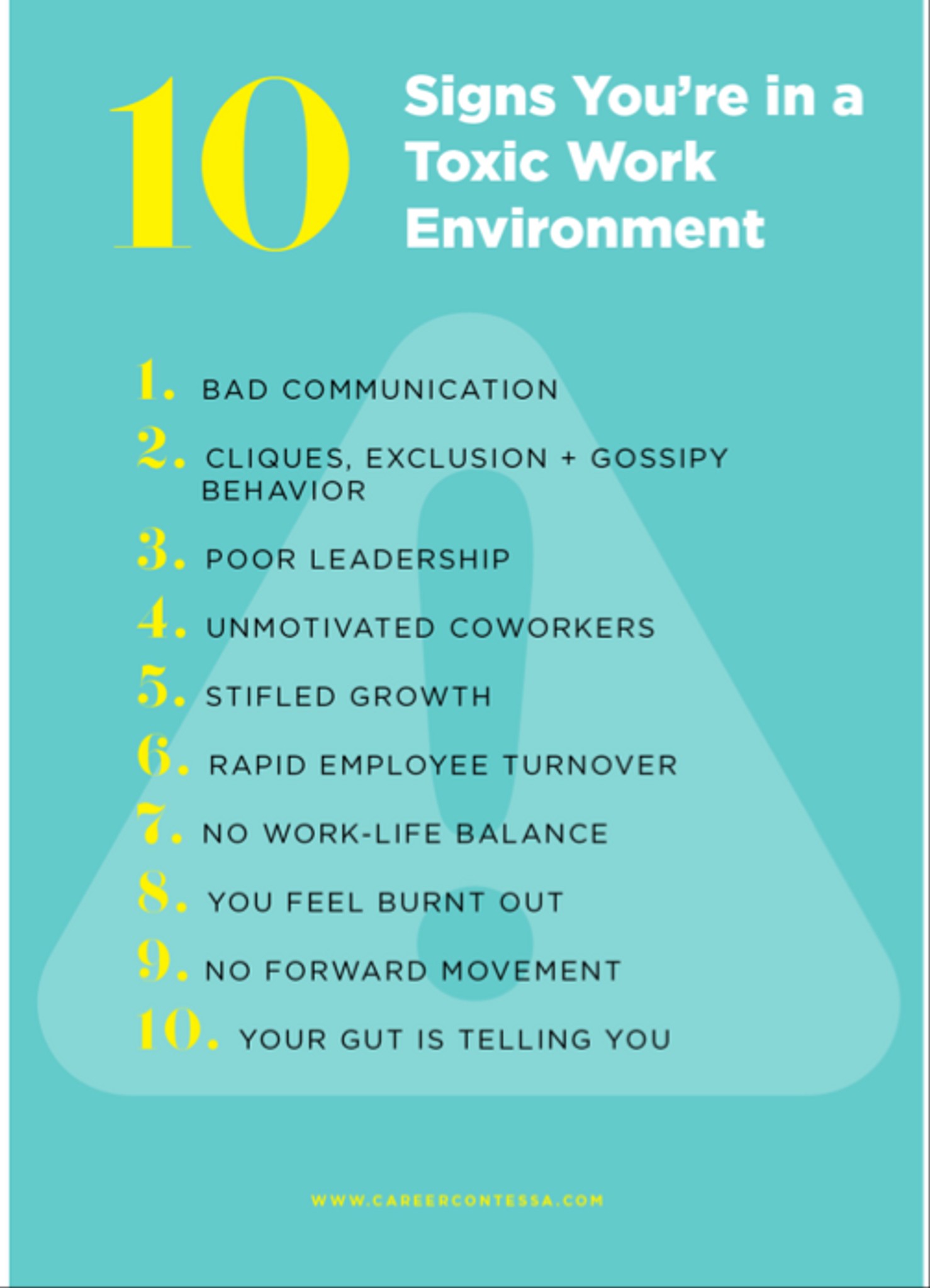
Are you in a toxic environment?
Pro

Hi everyone! I hope you’re all doing well and staying safe during the holiday season. I wanted to take a moment to highlight a role that I’m hiring for - Sr. Learning & Talent Development Partner. If you’re interested, I’ve added to the Fishbowl jobs board - https://joinfishbowl.com/job_rpc2p5vsvq. Feel free to reach out directly if you’d like to chat. :)

New to Fishbowl?
Download the Fishbowl app to
unlock all discussions on Fishbowl.
unlock all discussions on Fishbowl.


As someone who just received that same messaging, I think companies often bank on loyal employees remaining loyal, especially if they believe in the company’s mission and want the organization to flourish. It’s also more difficult to change careers as we get older, so the longer people stay, the older they are when they finally realize their loyalty isn’t reciprocated. The unfortunate truth is that companies have a precedent to say that this strategy works in their favor.
True
Because it’s hard to calculate the soft costs of turn over
I see this a lot. I think companies invest more in attracting than retaining because it is more visible. It creates a gap that is hard to justify to loyal employees.
Agreed
A lot of companies do a combination of things that are essentially loyalty rewards, but aren't labelled the same thing: annual raises, benefits packages, perks for milestones, bonuses, profit sharing weighted towards seniority, etc.
Others are more explicit tackling pay suppression. Audits every couple of years and doing department or company wide increases, for example. But the company has to make a fairly significant revenue to be able to afford that, and their prices also need the flexibility to keep increasing so the revenue stays up to date over years as well.
Usually the areas I find that struggle the most with pay suppression are for jobs that are low-skilled and/or have a lot of turn-over. Turn-over means the company Has To attract new talent, so the budget has to be allocated there. Low-skilled means there's not much difference between someone hired 10 years ago vs 1 year ago.
Companies that operate by being cheap for the customer are the worst positioned to address it since, as stated, they generally don't have the revenue required to fix it.
That is the behavior of a toxic organization more concerned with the appearance of growth than stability for its workers. That doesn't sound like explaining a gap, that sounds like helping unethical people lie.