

Related Posts

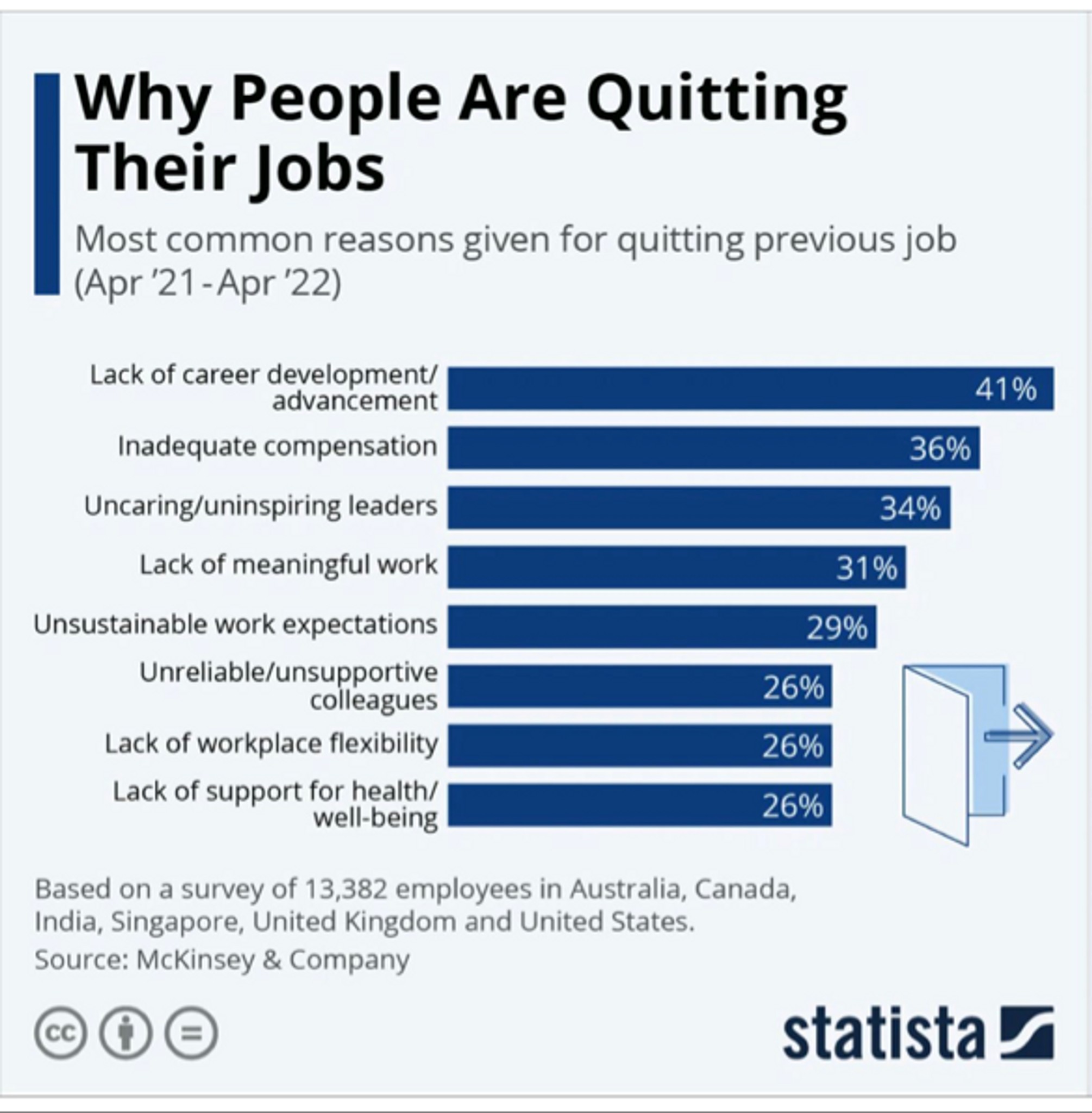
Why People Are Quitting Their Jobs


Mentor


Anyone from EY Singapore?
there are two types of fish in this bowl..


Chief
Anyone knows how to open a non-profit company?

anyone hear back about APMM program offers?
Additional Posts in Muslim Consultants

Community Builder
Is Dancing considered a taboo in Muslim world?
It’s been real uncle D, but the bag has called

Rising Star
New to Fishbowl?
Download the Fishbowl app to
unlock all discussions on Fishbowl.
unlock all discussions on Fishbowl.


Honestly just asked chat gpt something similar around fasting and mental productivity.. wasn’t super helpful lol but sounds like you’re not wrong with the afternoon nap
Fasting during Ramadan while handling a mentally intensive job—like accounting—can be challenging, but with the right strategies, you can maintain focus and productivity. Here are some practical tips:
1. Optimize Your Suhoor (Pre-Dawn Meal)
• Eat slow-digesting foods like oats, eggs, whole grains, and protein-rich foods to sustain energy levels.
• Stay hydrated with plenty of water and avoid excessive caffeine, which can cause dehydration later.
• Include healthy fats (avocados, nuts) for brain function.
2. Prioritize Deep Work in the Morning
• Schedule your most demanding mental tasks earlier in the day when your energy is highest.
• Tackle complex calculations, problem-solving, or strategic planning before noon.
3. Take Smart Breaks
• Step away from your screen for a few minutes every hour to refresh your mind.
• Use short breaks for light stretching, breathing exercises, or even quick power naps if possible.
4. Manage Energy Levels in the Afternoon
• Shift to less mentally intensive tasks in the afternoon (emails, reviews, or admin work).
• If possible, adjust meetings to earlier in the day when you are more alert.
5. Keep Your Workspace Comfortable
• Avoid overheating; a cool and well-ventilated space helps prevent fatigue.
• If possible, use natural light and take breaks outside for fresh air.
6. Plan Your Iftar Smartly
• Break your fast with a balance of protein, healthy fats, and slow-releasing carbs to restore energy.
• Avoid heavy, greasy foods that can cause sluggishness the next day.
7. Get Quality Sleep
• Try to sleep early, even if you wake up for Suhoor, to ensure at least 6–7 hours of rest.
• Short naps (20–30 minutes) during the day can help if you’re sleep-deprived.
8. Adjust Expectations When Needed
• If possible, communicate with colleagues about your fasting schedule.
• Be kind to yourself—your energy levels will fluctuate, and that’s okay.
Thank you for these tips! May Allah bless you