

Related Posts

More Posts

Public. The greatest pyramid scheme.

Better release in 9️⃣7️⃣...Jurassic World or 👇

Client side brand manager in LA?
Hi fishes,
Need 11 likes for DM pls

What are the benefits like at Rsm? Senior here
Additional Posts in Designers
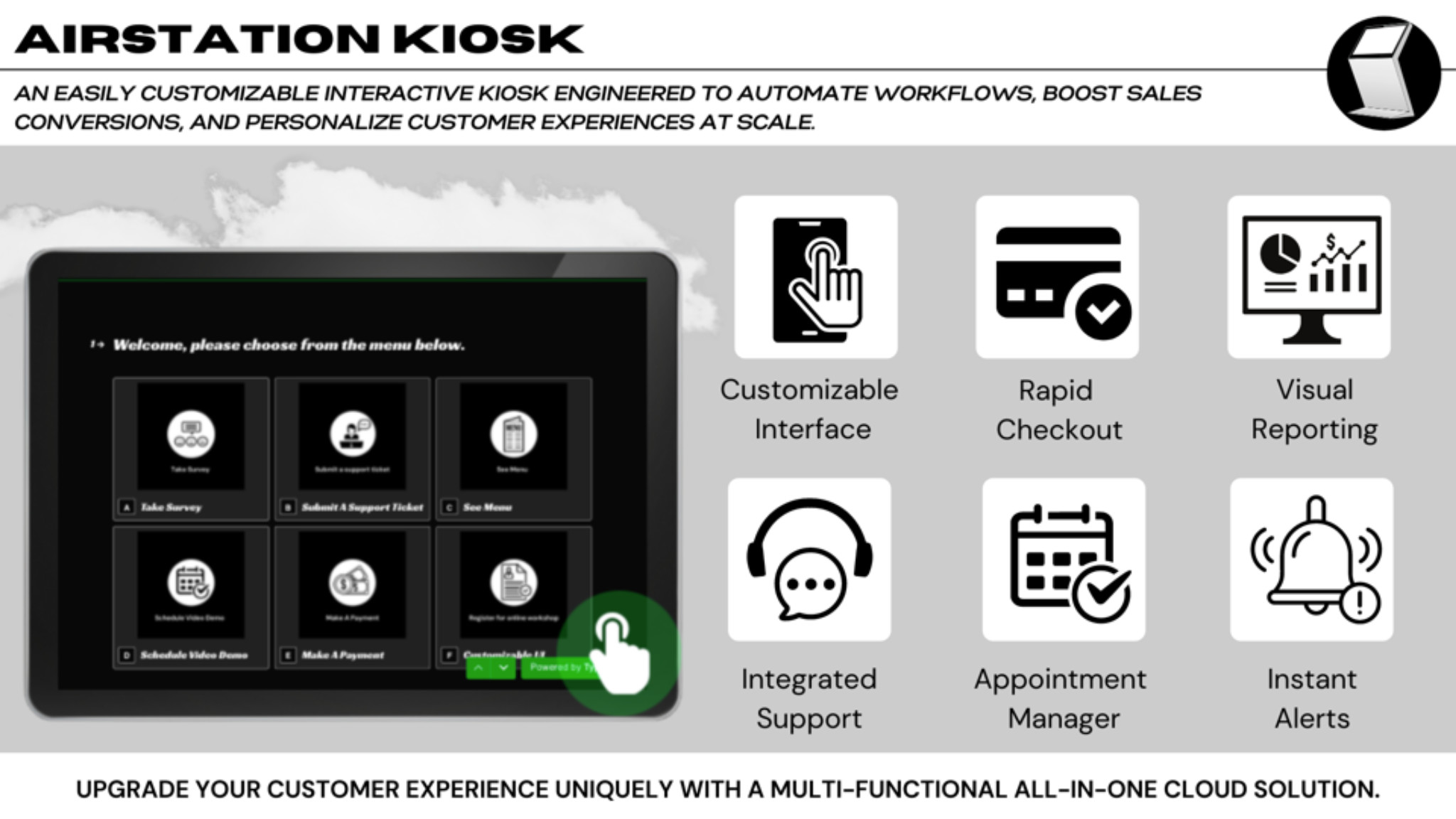
Hey Bowlers, I launched an interactive kiosk leveraging Typeform to automate onboarding and personalize customer experiences at scale.
Key features
- Rapid Checkout
- CRM Synchronization
- Integrated Slack Support
- Data Manager
Open to pessimists and optimists alike to give honest feedback on what you think about the product. In search of teaming up with a designer (with pay) if you have useful insights or better story telling abilities. (See link below)
Please and thank you.
https://www.canva.com/design/DAErzR4fnbU/94_1cMfCiV9zU_pHWhZG8w/view?website#2:take-action-now-and-receive-a-50-discount-offer-expires-10-17-21

New to Fishbowl?
unlock all discussions on Fishbowl.


What they really want to know is this:
- Tell me a story about how you overcome a challenging brief, and what are the practical and replicable (emphasise practical) steps you took to solve the problems.
- if you don't have practical experience, I would advise you to interview experienced UX designers, with the same questions. Build a portfolio of stories you can relate to and make your own stories.
- and yes to echo a fishbowler, how did you manage 26 interviews in 1.5 months?!?😆
Mentor
Maybe read a book called Do I Make Myself Clear? And a book on screenwriting. I think getting out of the stereotype of "storytelling" helps to understand how to apply it to your case studies. Ask other UX people the same questions to get a feel.
Hi, I have always seen design process as a tool than a linear template. When they ask you about YOUR process tell them that it totally depends on the project stage.
I always do this and give them examples of various projects done throughout my career and show them how each project had a different process.
It's important to communicate that the design process is a toolbox and you you the tool that you need for different situations
I like the approach of toolbox
How tf r u getting 26 interviews in one month..
I’ve done that many before they want to know the thought processes for each role thr team make up your specific role and how you approach tasks they want to know your thought process how you benchmark and the level of business acumen
Coach
You can say it depends (because it kinda does)
And bring up an example of a project you did and the process you went through based on the needs of that project.
Coach
It might be them then, unless it’s happening frequently in your interviews
Having done 26 interviews, have you asked for any feedback?
Mentor
If you only get 10 minutes for portfolio review I would advise you focus on one or two of your best pieces and go in depth. I rarely have people show me their entire portfolio in person. If you’re interviewing with me I’ve seen it already. I only wanna hear about your favorite pieces at this point to hear about how you approached the project.
Systematic Processes suck, it’s nice to approach projects differently every time, otherwise it becomes boring, days become weeks, weeks become months etc. And you realize you’ve been doing perfectly you Job with a neat process but 5 years have passed !
I realized this last week. I asked my manager about it and he basically said that each project is unique and requires a different approach so there's no magical process you can always apply
Hey don’t feel down actually you are on a right path, your Resume and Portfolio is on point as you are getting 26 interview in a month. I think you can work on structuring your answers in STAR format including real life scenarios. Even I am going through the interview process, all the best 👍🏻
I don’t have a question bank, I just google most common UX questions and read Medium.com articles or career foundry articles. Also lots pf content on Youtube.
For me it’s learn your general familiarity with the process, and try to get a gauge on which things are most important to you. I usually ask which parts of the process are you favorite and least favorite. Everyone has strengths and weaknesses and you can’t expect each designer to put equal emphasis (or have equal skill) in each step of the process, so it’s important to balance the team out.
Good luck in the job search. It can be hard to be told no, but sometimes it genuinely just wasn’t a good fit and you shouldn’t let it get you down. And honestly if they don’t appreciate what you have to offer you wouldn’t have been happy there anyway.
I hate that question Lmao
It depends on the damn timeline. Bc sometimes I don’t even think once bestie 😌
This question is so lazy. I hate it. There is no one process. If you’re good it changes per project, per problem that comes up in each project. I wish interviewers would just do a little extra work and ask what they want to know. Do you want to know how I problem solve? What happens if I hit a roadblock? The literal process in my brain to come up with a design?
Ummmm…. Pick one
http://www.dubberly.com/articles/how-do-you-design.html
I'd answer in the context of 'shu-ha-ri':
Shu: follow the rules
ha: break the rules
ri: make the rules
When you start out it's important to show that you're not doing things randomly: that you can be depended on to achieve solid results. This is good for junior roles.
Once you have mastered that, you will notice that and understand why blindly obeying a process can lead to inefficiencies and sub-optimal results with certain challenges. Once you understand the rules inside and out you will have confidence to make exceptions to achieve something better, or achieve it more effectively.
Once you have done this dozens of times and noticed the same exceptions time and time again, you will have the confidence to create new rules and articulate their value.
As an answer then that you *always* first start by researching and understanding the problem until you can articulate the problem statement clearly and succinctly but after that point it *depends* on what the nature of the challenge is. A senior will have a whole set of processes for different situations but will always be on the look out for exceptions. A junior can stick to the UX 101 process but can add "but I don't try to follow it blindly - sometimes there are good reasons to do something differently". If you don't have experience/confidence to answer that way, just say you're hoping to grow so that you can recognise when an exception is needed.
Mentor
I want to hear start to finish how you approached a project. What were your challenges? How did you overcome those? What did you learn? What did you enjoy? What are you especially proud off? I want to hear about your experience not a process list off a website or book.
I would pick a project from your portfolio that you love and is easy for you to talk about to use as this example. That way you have a visual to point to as well. For me I wanna see the passion behind the work. If it’s difficult to even talk through a project you enjoy that becomes a red flag for me in hiring.
They want to hear how you approach a problem to solve or identify the problem. Then they want to learn how you think about the solutions you provide and how they help the business or provide a path forward.