

Related Posts

How is the project for 'Tyson' client?

I'm joining EY next month for tech stack ODI, PL SQL. how flexible is it to change a skill set or project after 18 months in EY? I want to eventually move to the data engineering side. ODI (Oracle data integrator) is a niche tool which will go extinct in future and I want to move other technology hopefully in EY.Deloitte Accenture Tata Consultancy
More Posts
McKinsey & Company I’ve been working at ZS in technology consulting for healthcare clients for 4.5 years now and looking to transition to either McKinsey or BCG.
I’m looking to connect with people who are working or have interviewed here recently to get guidance on the process and how I can prepare for it.
Please comment here or DM me if you’re willing to help? McKinsey & Company Boston Consulting Group BCG Digital Ventures BCG Platinion

Bowl Leader
Does LTI provide reimbursement for WFH setup ?
How is Marsh & McLennan regarded in the MEA?

Pro
Additional Posts in Accounting
Is the CFE pretty easy?

Are you going to year end Christmas party?
What Spotify playlist is your favorite for work?

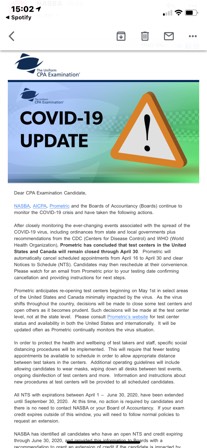
Prometric closed until 4/30
Is IT audit as bad as people make it out to be?
New to Fishbowl?
unlock all discussions on Fishbowl.


The biggest advantage I would think is on public (as long as they’re Sox compliant) would be seeing a strong control environment. Knowing how a process runs from start to finish with the proper controls in place is key to accurate financial reporting. Learning how those processes are built is a huge advantage over those who have never seen it.
More generally, public clients tend to have more complex and diverse accounting issues than private ones, which gives you a more well rounded experience. I firmly believe that experience on a public client is essentially to truly understating how accounting in industry works
It depends on your overall goal. I made it to accounting manager in industry without a great deal of SOX exposure in my audit engagements. It only bit me a bit when trying to move up. A lot of controller jobs want some exposure to recent SOX and remediation of controls. It's possible to get that all under the belt while still in public. It's also possible to get to a controller job with a company that has no intention of IPO too, but then that's probably your last stop in your career as you'll have niched yourself out a bit.
That's probably the biggest thing I see in the career is that if you're not working for F500 for a long period of time in your career and you've been out of public a long time, you'll be considered of a lower caliber to recruiters and screeners it seems. I dealt with that a while before boomeranging.
It all depends on what you want in your career, but obviously the best and least career limiting option is to exclusively do public company audits. Granted, they'll always be more intense audits, but you'll want at least one public continuity client under your belt in your career bare minimum.