

Related Posts

Conversation Starter
Which health insurance your company providing?

And Coronavirus also......geez. 🤦♀️


Conversation Starter

Enthusiast
Conversation Starter
Does EY’s vision plan not cover eye exams?
More Posts
What are the top sales companies to work for?
Tell day 8th Nov!
Additional Posts in Houseplants and Gardening

Visual Storyteller
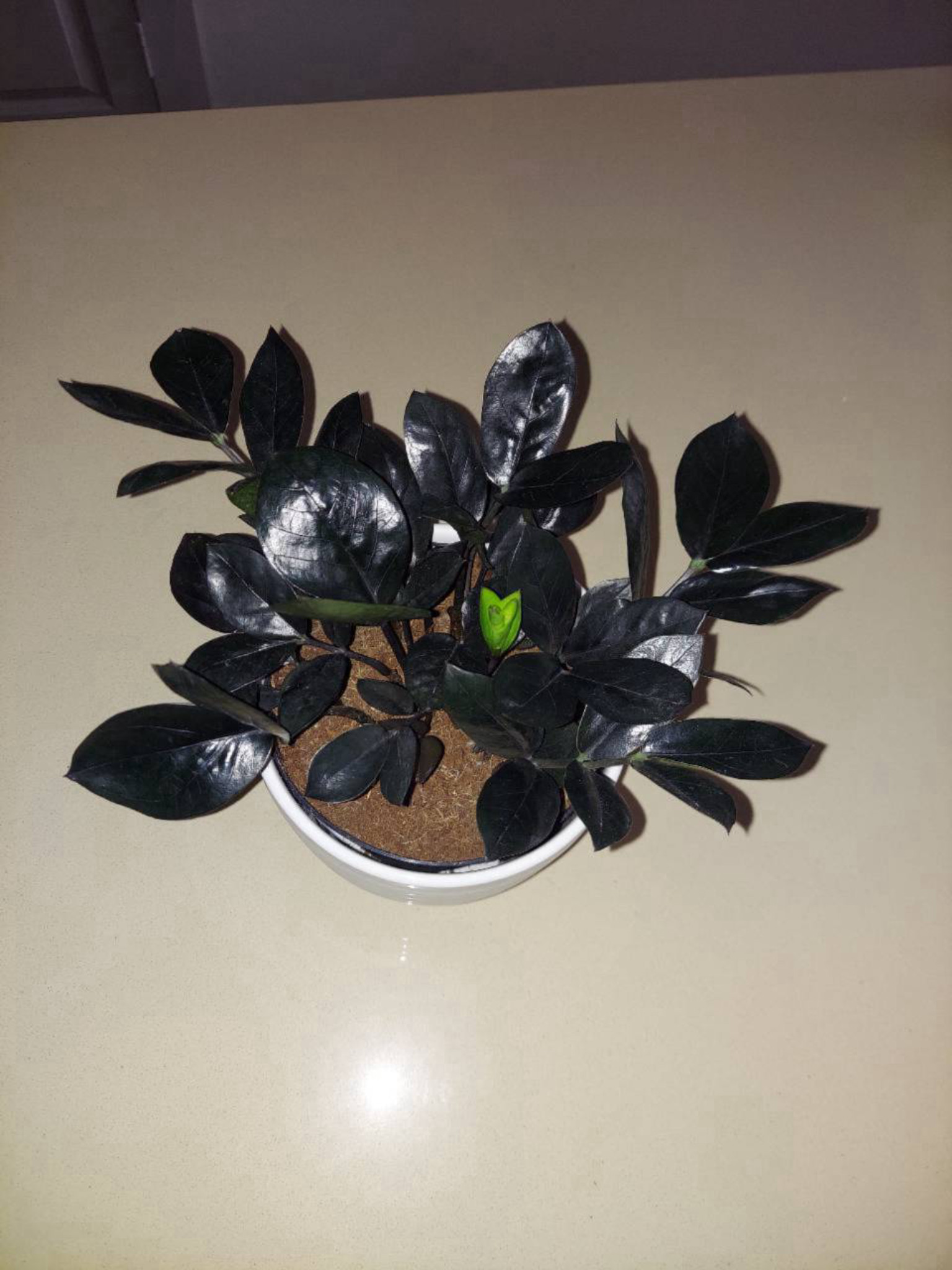
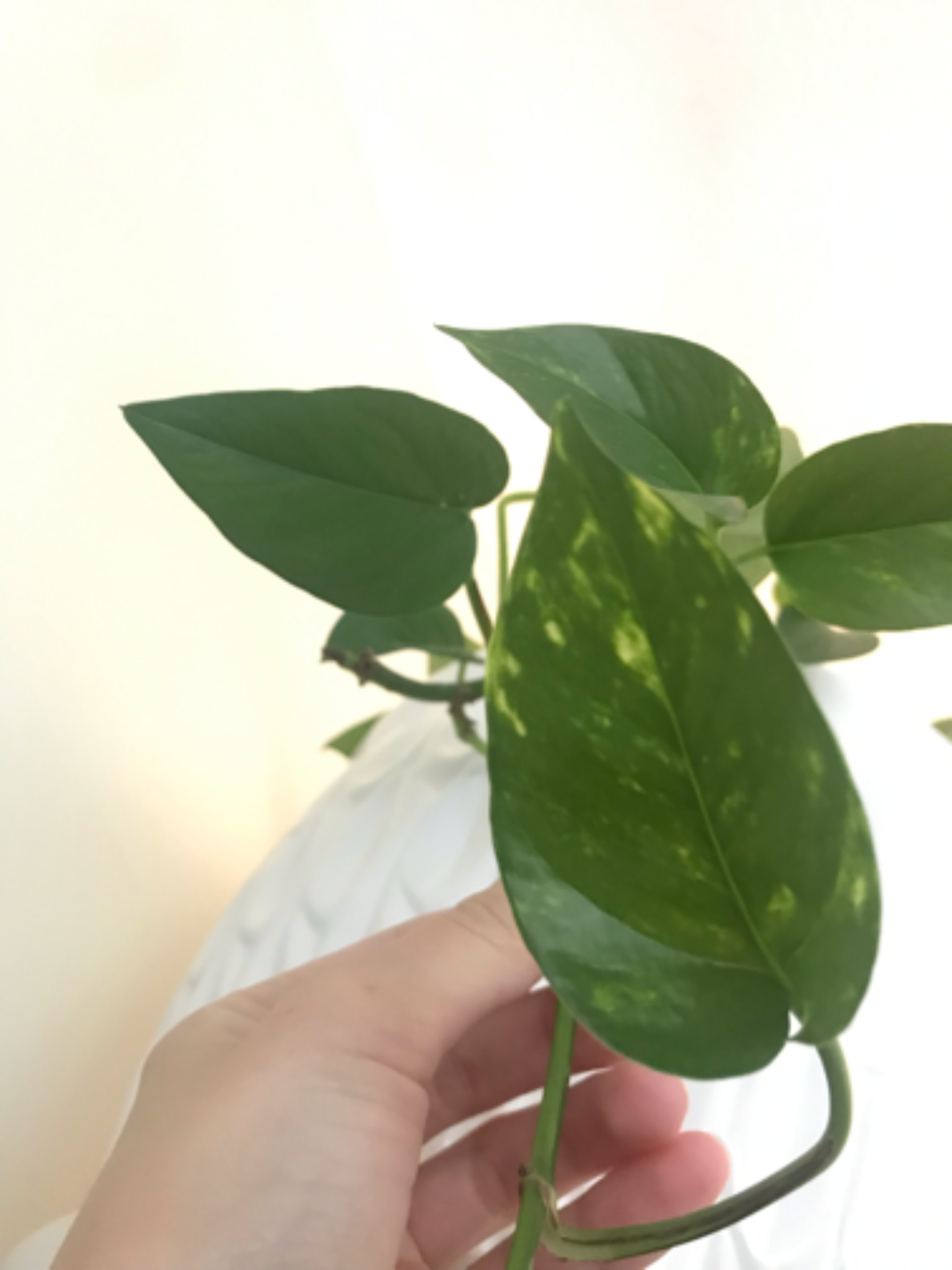
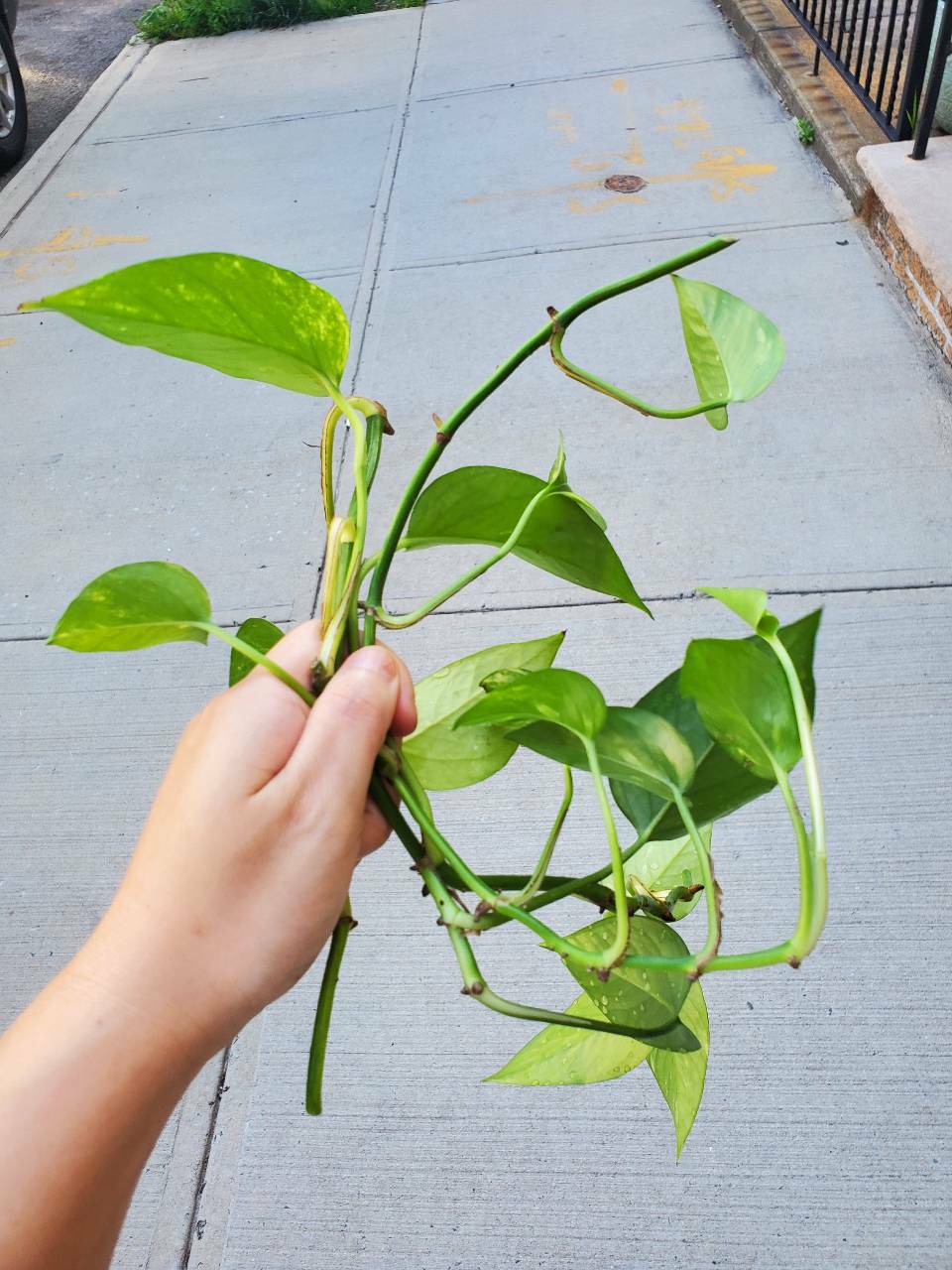
I NEED MORE PLANT PICS ON HERE!


Visual Storyteller

Visual Storyteller


Visual Storyteller
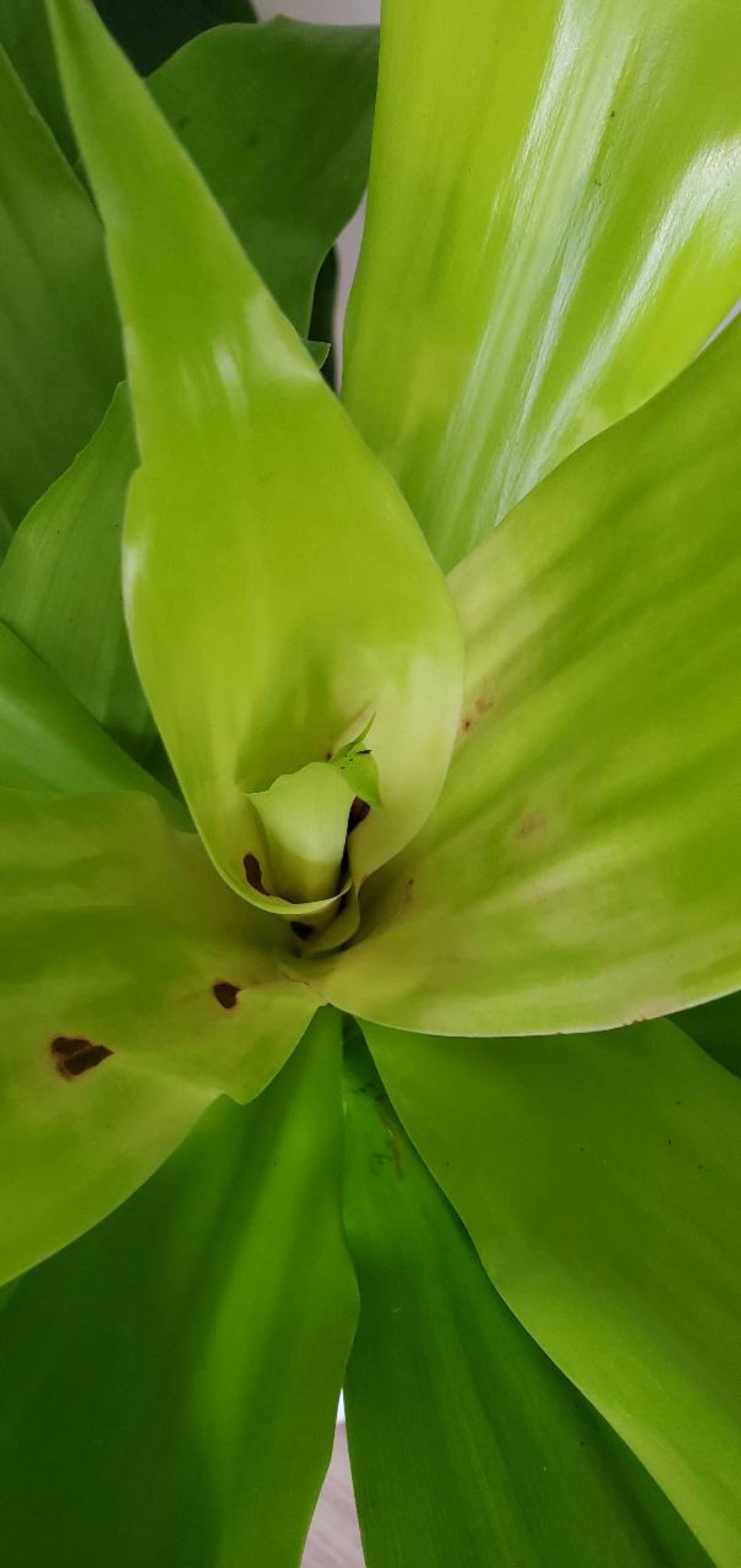
New dracena is not stoked, whats his deal?

Pro
Conversation Starter
Well hello guys!

My gorgeous haworthia is glowing this morning 😌
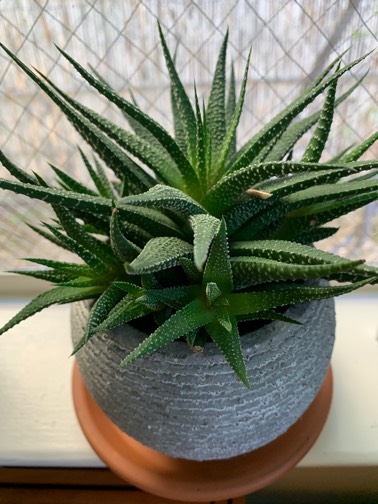
New tiny baby emerging 🥰🌱


Sharing my lilies 😍

Visual Storyteller
Received this beauty yesterday….. 😍


New to Fishbowl?
Download the Fishbowl app to
unlock all discussions on Fishbowl.
unlock all discussions on Fishbowl.


I use a mixture of 1 gallon vinegar, 1 cup salt and a couple tablespoons of dish soap in a spray bottle. The vinegar kills the leaves and the salt dehydrates the roots. The soap helps the mixture coat the leaves. Works best on a hot sunny day.
I can’t bear to put chemicals and carcinogens like Roundup into the environment, the ground water, and animals. I also want and need pollinators for my garden. My method might not be as “effective” but works well enough. I don’t mind a few weeds and I sleep better at night.
No, I just spray it directly in the weeds. An entire gallon’s worth has a cup of salt and it was more than enough for my yard (about 1/3 acre), so the salt is rather minimal over that area.
Rising Star
Most weeds I just pull/dig. For the neighbor's ivy trying to invade through the fence, I use glyphosate, but I apply it with a paintbrush if it's anywhere near where I grow food.
There are a number of organic herbicides that are effective and have better safety profiles than glyphosate. Bonide BurnOut is a contact herbicide (no root kill) so is effective for clearing larger areas of relatively minor weeds/grasses. Weed Beater Fe is an iron-based systemic herbicide that kills roots but is harmless to grasses (good for lawns, but bad for grass weeds in your garden).
Salt is really bad for soil structure, sticks around in the soil much longer than any chemical herbicide, and is toxic to most plants you'd want to grow. Ever heard the phrase "salting the earth"? I'd steer clear of that, personally.
Rising Star
Fair warning with the iron one that it's pricey, and stains like crazy (basically rust stains) if you get it on you or anything else light colored. Wear gloves (good idea in general!) and work clothes. I use it with a hand-held spray bottle for spot applications to minimize the risk of getting it everywhere.
Any contact herbicide (including burnout and horticultural vinegar) should also be quite pollinator safe as long as you spray when pollinators aren't active and the spray has a chance to dry, since it won't get translocated to nectar (and pollinators usually don't visit wilted flowers).
My parents always used Round Up, but it has been potentially linked to causing cancer. Now I use a different version. Of course, how safe can something designed to kill something else actually be?
Yeah that is my concern. We have an area that is largely covered in weeds so was looking for an easy way out guess I better get to work
If it's a large area where everything needs to get killed, I will use Roundup. If it's in a more selective area, I will use something designed for specific weeds.
While it is a known carcinogen, it usually requires massive exposure that an agricultural or landscape worker would have and not the limited amount a homeowner will have.
Tbh it's a little scary knowing that it will get into the water so I'm gonna avoid it for now thank you!