

Related Posts


Hi all,
I joined KPMG around 3 months ago but I am not getting work here. Although, I qualified some project's interview, yet due to some internal reason, they considered someone else, and I again came on bench.
I am unable to figure out what can be done now.
Should I start searching work outside.
(I hardly see any job openings these days)
(sap domain)
How's the resource management here?
(do they lagOff?)
Any inputs will be helpful.
Thanks!

What does it mean when the recruiter talks more?
More Posts
Another gray Monday morning.


Uber just unionized. If they can, why can’t we?!

Bowl Leader
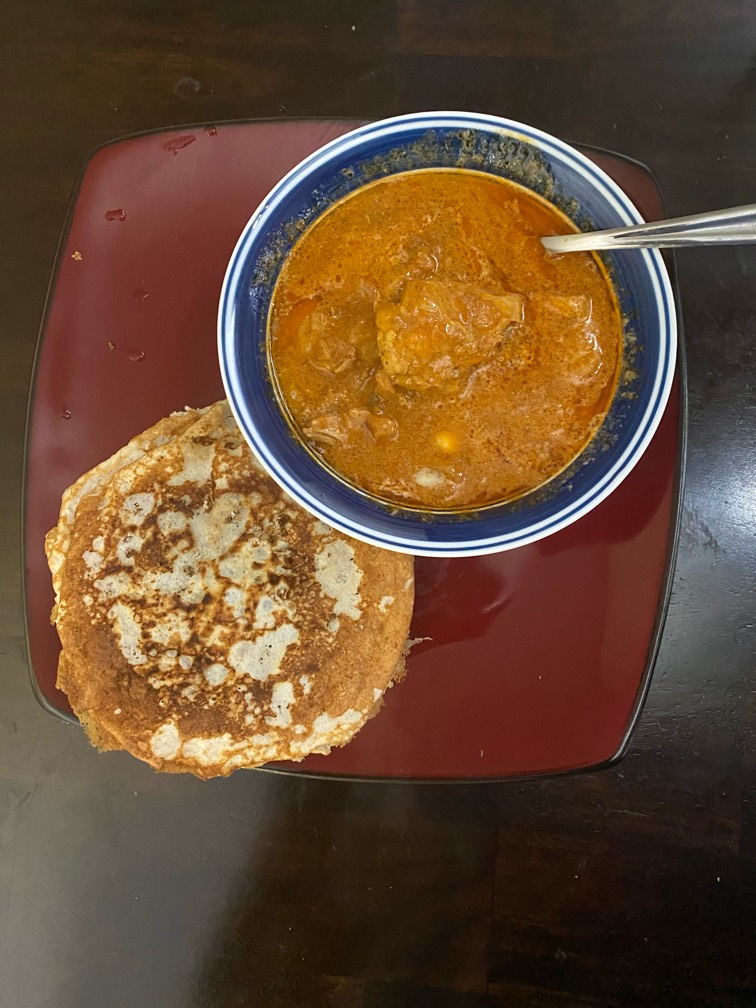
Butter chicken and coconut flour tortillas
Additional Posts in Ask A Recruiter - Advertising
Do recruiters ever reply to any of these threads
Anonymous User

Pro

New to Fishbowl?
Download the Fishbowl app to
unlock all discussions on Fishbowl.
unlock all discussions on Fishbowl.


I immediately click off and move on to the next book to review.
I find it kind of annoying and will move on to others unless I’m really curious about the person based on where they’ve worked. I’ll only reach out to ask for the password if I think they could be a great potential fit on paper.
It makes me wonder why someone would want to gate-keep their entire body of work. Are they inflating their contribution to projects and don’t want to be called out on it publicly?
If you’ve got sensitive work under NDA that’s different, and I understand password protecting the projects themselves. But password protecting your whole book just looks a bit sus. And it can limit your potential career opportunities!
Why are you thinking about password protecting your book? Now I’m curious if I’m missing something!
I’m a headhunter and work on behalf of many agencies. Yeah if you don’t have anything specific you’re trying to “protect” I’d make it as easy as possible for recruiters to find your book and be able to contact you. That way even if you’re not actively looking a great opportunity might find its way to you. Or you might be bookmarked by that recruiter for future things (I always save new “stars” I find, or people with unique experience even if they’re not right for things I’m currently recruiting for).
I think it depends on the person. Some people have no problem with it, some people are immediately suspicious.
I think for things like pharma, it’s actually fairly common. I don’t work in pharma, but I know that many people who do, have NDAs that forbid them from showing the work publicly. That’s not so common for consumer stuff.
Why have a password portfolio? Don’t you WANT people to see your work?
Yes, when I want them to see it. I’m going to leave it unlocked.
I’m stunned by the level of ignorance on this thread exhibited by recruiters.
1. Most pharma clients do not allow agencies to share their work — look at most pharma agency sites and you’ll see few if any case studies.
2. Major financial institutions, such as Citi, Chase, and AmEx have it written into their agency contracts that their work can’t be shared without their written permission. These institutions have armies of lawyers paid to protect their brands. They literally scour the web looking for things like unauthorized use of their logos.
3. I know creatives who have received “cease and desist“ emails from corporate lawyers instructing them to take down work. It happens.
Knowing this, an ECD at an agency I worked for advised us all to password protect our portfolios during a staff meeting after one of our clients objected to the agency putting one of their projects on its website.
There’s nothing “suspicious” or “unprofessional” about password protecting your work. Quite the opposite. It also allows you to gatekeep who’s checking out your portfolio, which is a good thing.
The fact that there are recruiters on this thread who don’t understand this, and can’t be bothered to shoot someone an email or text asking for a password says volumes about what’s wrong in advertising recruiting these days. The best recruiters keep a digital file on each candidate and can quickly look up a portfolio password, along with all the rest of the candidate’s info (phone number, email, etc.). Is that really so inconvenient?