

Related Posts

Conversation Starter

Mentor

Conversation Starter

Visual Storyteller

I'm kind of tired about hearing about Robinhood


More Posts
I bombed a question in my interview! Feeling horrid

Rising Star
Feeling the same?


Chief
Rising Star

Chief


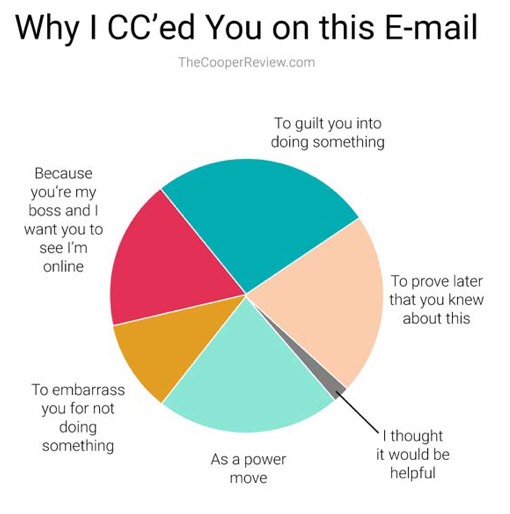
Where are you on the chart?
Additional Posts in Real Estate - Law

Coach
New to Fishbowl?
Download the Fishbowl app to
unlock all discussions on Fishbowl.
unlock all discussions on Fishbowl.


Processing of change orders/pay apps, cure provisions, notice provisions, ability to secure alternative financing in the event of casualty, completion milestone deadlines
A lot of developers tend to do deals with the same 3-4 banks. I wouldn’t be surprised if there’s already previously negotiated docs that you can use as a starting point. Perhaps it might be a good idea to find out ahead of time.
It's all about leverage. I represent mainly lenders but in doing so I have seen all the comments made by borrowers, including the biggest ones.
The larger borrowers tell the lenders what the terms are so understand your client's position and strength.
Also negotiate as much at the teem sheet stage as possible. Once that is signed it is an exclusive negotiation period with 1 lender and usually the borrower needs the money more than the lender needs to make the loan.
Some bigger topics are assignment and control provisions and recourse liability.
Permitted transfers, depending on the equity structure of your borrower. Funds have more leverage, but you'll want the control language to give you enough flexibility to swap out investors (or do estate planning restructuring) as appropriate. Also release provisions or permitted encumbrances so you have flexibility to sell part of the property without an onerous fee, grant development easements/utility easements, etc
This^.
Transfers is one of the most important and overlooked sections for a borrower with investors or a JV (or who wants to create a marketable project for future investment).
Agree with the comments above. Also make sure all reps are accurate and the covenants are realist and not draconian.
From a borrower's perspective, preserving optionality by ensuring flexibility with additional indebtedness covenants and put the onus on lender to declare and event of default and ensure enough runway with a cure period. Cash flow is king, so need to insulate the ebbs and flows of it from the rigidity of the docs.
What type of loans? In residential, obviously “it is what it is”.
Construction loans for developers
Thank you!
All of the previous comments are excellent advice.
I do both lender and borrower side work, and knowing how the lenders think is a helpful advantage for you - you can pitch your arguments for changes in a way that appeals to a lenders sensibilities