

Related Posts
I’m making 55k in Chicago. Am I underpaid?



Job-Hunting reach-out to VC from previous fundraising effort for own startup
I have e-mail archive from 1y ago of my reach-out to 65 VCs in London: we had video calls, they might remember me still, who knows.
I want to send a reply/forward message to the same e-mail thread from abc@gmail.com, saying that I am looking for roles within their VC firm. Is that a good idea?
Or shall I just start new email thread and mention how I know them?


Enthusiast


I can relate


Conversation Starter

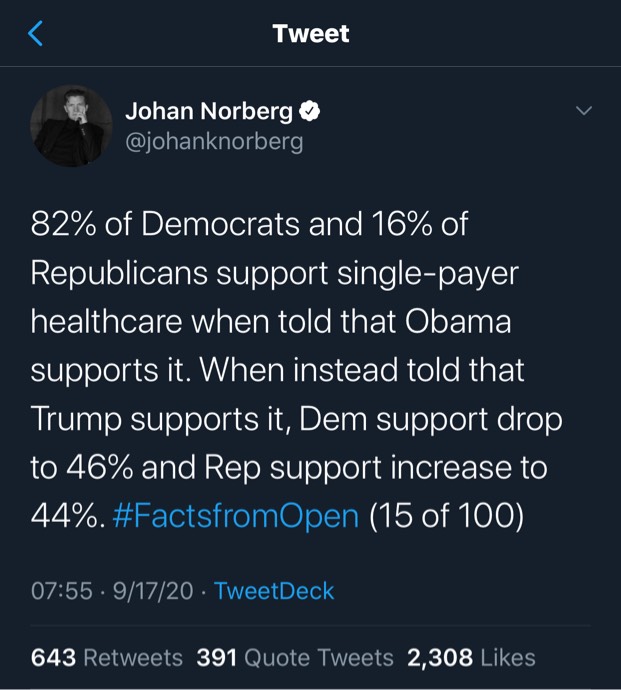
Orange man bad
Additional Posts in ADHD Professionals

Conversation Starter
New to Fishbowl?
Download the Fishbowl app to
unlock all discussions on Fishbowl.
unlock all discussions on Fishbowl.


Well. As someone who disclosed their ADHD, then wished they hadn’t, then were glad they did…
Pros: ADHD is an ADA protected disorder, and depending on how severe it is, you could qualify for resonable accommodations. (Keep in mind these need to be both reasonable AND not an undue burden on the business. Example… you couldn’t request to WFH because you’re a chef. It wouldn’t work.) You could also provide explanations (not excuses) for why you may not be hitting targets set for you, and the new targets may be made more achievable for you, meaning they’ll see (on paper) your performance increase.
Cons: your boss may not “believe” you have ADHD, or may see it as an excuse. It could make your life harder by disclosing it. Even though it’s ADA protected, discrimination based on ADHD is extremely difficult to prove. If you’re fired because of your ADHD, they could easily say it’s because you weren’t performing at the expected level, and then they’re covered. They could see it as a crutch/excuse/get out of jail free card for you “slacking off.” We know the perceived “slacking off” isn’t necessarily what it looks like, but perception is everything.
I disclosed my ADHD. I thought it would help. It didn’t. I was going to seek accommodation for it, but… my health threw me into an extended leave of absence because what I thought was worsening ADHD was actually multiple sclerosis (brain fog, inability to focus, etc.). So the initial disclosure DID make it easier to explain what happened when I got back.
It truly depends on your boss and your relationship with them. Just… tread lightly and really think about what you want to receive out of your disclosure. 1.) What accommodations would you like to receive? 2.) Why should they accommodate you? 3.) Will these accommodations be an undue burden on the business?
Know where you want to hold firm, but keep a possibility of needing to compromise in your back pocket.
Finally: If you don’t want/need any accommodations, what is your reasoning for your disclosure? Like… is it worth the potential discrimination if you’re not going to ask for anything?
(Obviously these are all questions to answer for yourself not necessarily to me. But truly put in the work on your end before you disclose.)
These are amazing insights, thank you for taking the time to share. Blessings.
Why don’t you take medication?
Probably because nobody wants to give anyone anything anymore 🤷 if u know of a doctor that's willing to help please let us know 🙏
Would you make depression or anxiety public? If you can answer yes in your space I don’t see why not, but I don’t think it would help you given the circumstances you’ve described.
Are you asking about disclosing it in the workplace or in your personal life? Those are two very different things. Personally, I’ve only disclosed to one person, even in my personal life. There are too many potential ramifications and nobody needs to know my business.
In the workplace, I wouldn’t disclose it. In close private circles of trusted people, I would because it’s part of who I am. I usually bring it up in a light-hearted manner and my best friends know.