

Related Posts



Will CSPO help in Product Manager role?

More Posts


Bowl Leader
Hey Guys,
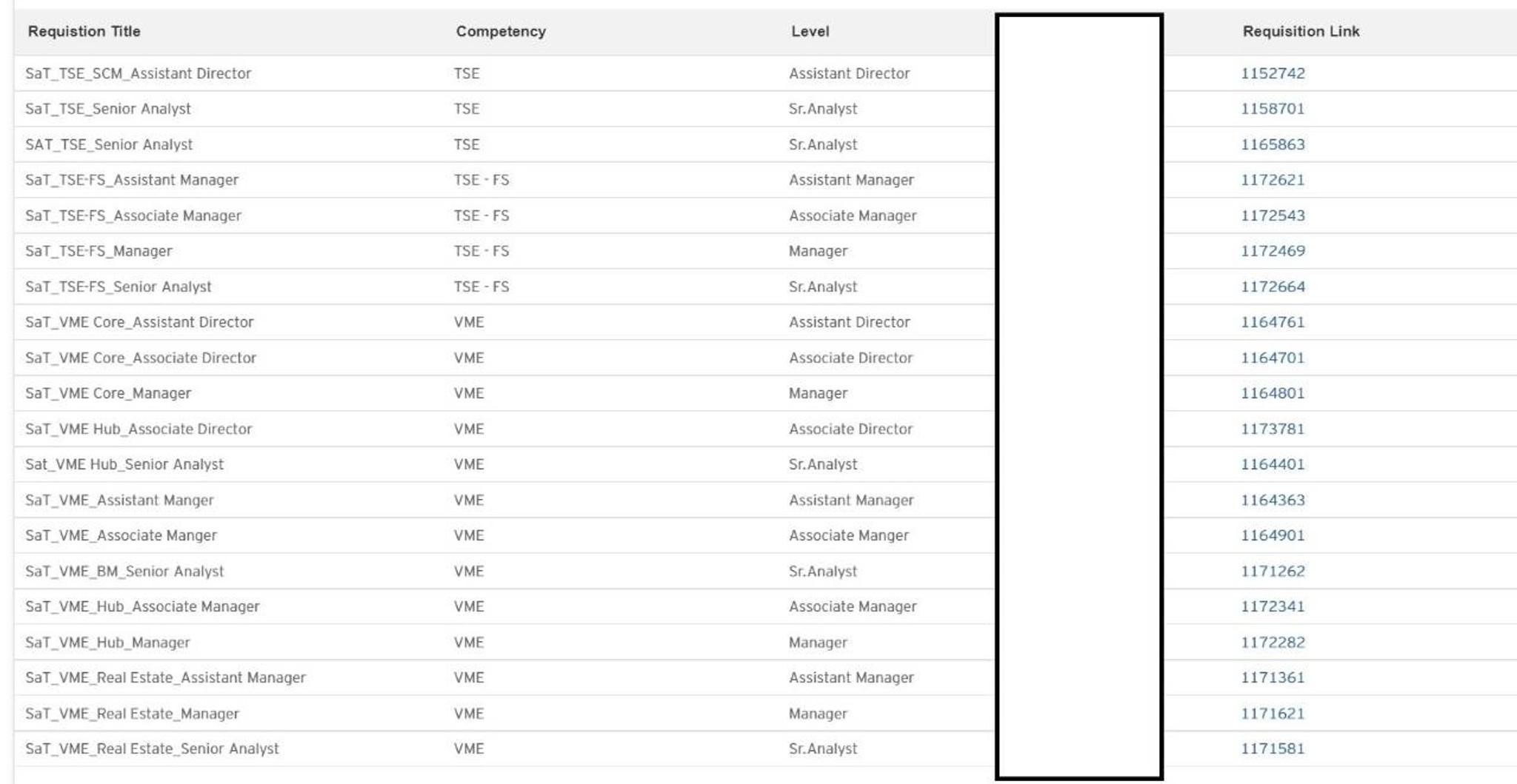
A samaritan is creating a dashboard for us to help understand the market standards for your skillset and help us to realize if we are underpaid!? And this helps us to negotiate as well
Share your responses here..
Suggestions are welcome.. Will update dashboard link in the below page itself ☺
Let's work together 😎
Please do share below links with your friends and besties from work and help them too...
https://docs.google.com/forms/d/e/1FAIpQLSdRBRC8b5J2DAPR33xmhnUxEX40UsPTvQVfN3r
Hi Fishes, Wish you a great day ahead 😊🤗.

Conversation Starter
Additional Posts in Logistics & Supply Chain Management


New to Fishbowl?
Download the Fishbowl app to
unlock all discussions on Fishbowl.
unlock all discussions on Fishbowl.


You could: Attend conferences or trade shows related to the global supply chain. These events can provide opportunities to learn about the latest trends, technologies, and best practices in the field. You can also network with other professionals in the industry and learn from their experiences.
Read industry publications and research reports. Stay up-to-date on the latest news and insights related to the global supply chain by subscribing to industry publications and reading research reports. This can help you understand the market trends and challenges that companies in the industry are facing.
Take online courses or training programs. Many universities and professional organizations offer online courses and training programs on various aspects of the global supply chain, from logistics and transportation to procurement and inventory management. These courses can provide you with a solid foundation of knowledge and skills in the field.
Collaborate with colleagues in the industry. Connect with other professionals in the global supply chain, whether through LinkedIn or industry associations, and share knowledge and insights. You may be surprised at how much you can learn from others who have different perspectives and experiences.
Conduct research on specific countries or regions. If you are interested in understanding the origins of raw materials, conduct research on the countries or regions where they are produced. You can learn about the cultural, economic, and political factors that impact the supply chain in those areas.
Remember, gaining knowledge and experience in the global supply chain is a continuous process that requires dedication and effort. By pursuing these alternative methods, you can still gain valuable insights and improve your skills, even if traveling is not currently an option.
Get that experience through your customers. Ask questions, if they can’t tell you that’s ok, ask a different question.
Thanks!
Are you on Procurement side ? From a logistics learning perspective, why does origin of raw materials matter? Do you have a plant or DC nearby that you can goto to understand the inbound and outbound process ? How a DC is setup ? How does Make to order and make to stock work on a plant ? How does Production process work for discrete ? How they receive, Etc etc ...
There are a few things you can do to better understand the origins for raw materials without actually travelling. One is to do some research online and read up on the different countries and areas the materials are sourced from. You can also reach out to professionals in the industry and ask them questions about the industry and what they know.
you can attend industry conferences and networking events to learn more about the field and to connect with potential business partners.
or you can take courses or pursue certifications in global supply chain management or logistics that will help you gain a better understanding of the topic.
Network. Reach out to local and global supply chain professionals and ask them questions about their work. Many professionals would be more than willing to answer your questions and provide valuable advice.
You can spend some time researching the global supply chain in your industry. Read articles, books, and commentaries from industry experts to get a better understanding of the complexities involved.