

Related Posts

Any tips or tricks for CSX certification?


Bowl Leader

More Posts
The ad industry is represented by less than 2% of self-identified LGBTQ individuals. We're asking our fellow LGBTQ peers who have already come out to work to share their stories and to describe how being out at work has benefitted them. Record your story and upload it to tinyurl.com/come-out-to-work Stories will be collected and shared on Instagram at @ComeOutToWork by mid-June. Happy Pride!



Chief
Feeling grateful today. 🥺
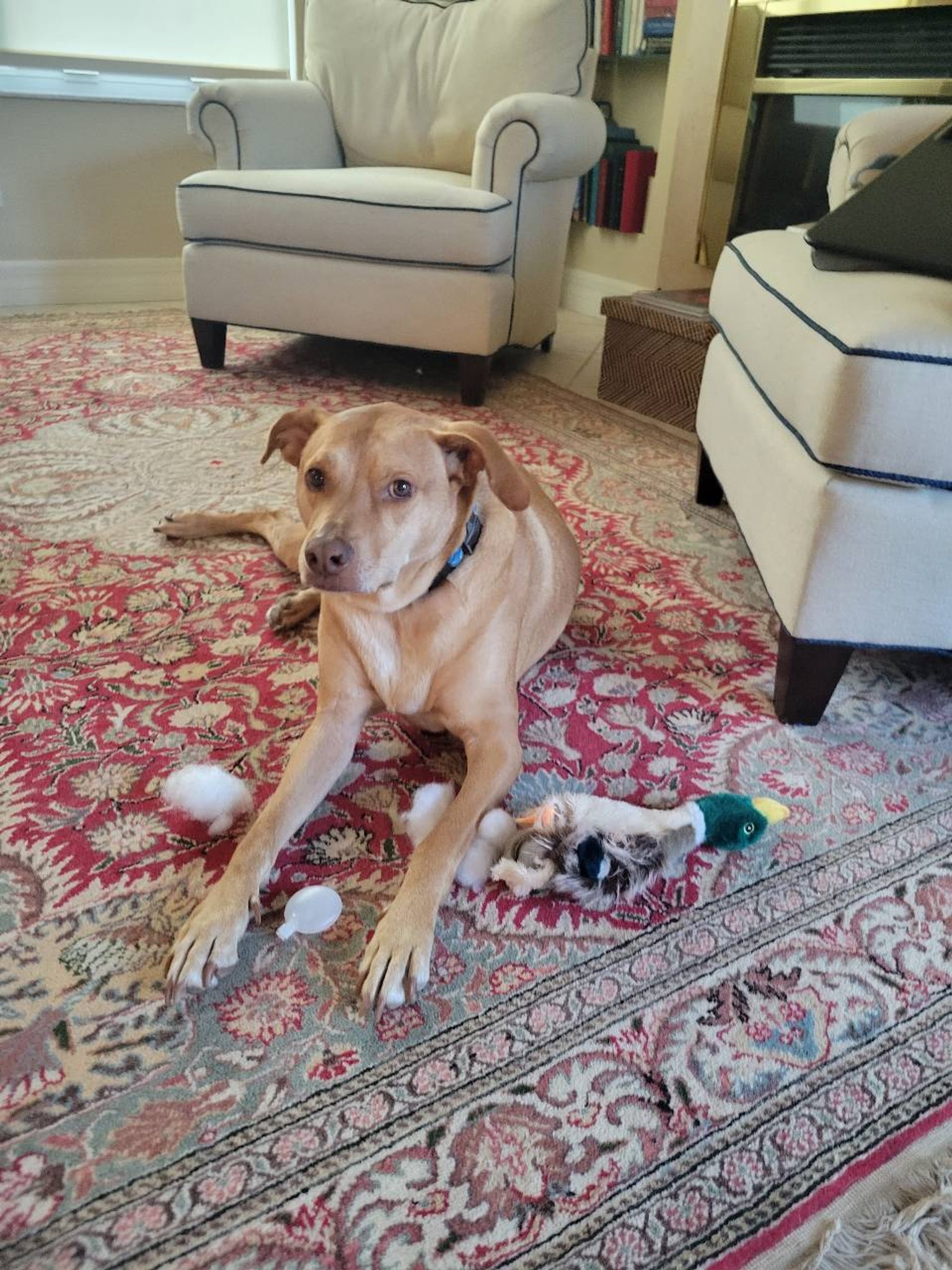
Pupper didn't like the wind



Pro
This is my first post being a PRO member! :D
Anonymous User
Likes to open DMs please!


Additional Posts in Law
What’s the word on Foley Hoag LLP?
What is the lateral hire process like?
If I leave big law for ADA will I get canceled?
New to Fishbowl?
Download the Fishbowl app to
unlock all discussions on Fishbowl.
unlock all discussions on Fishbowl.


Agree with the paralegals above. Also would recommend asking your new para what she needs help with. For example I have 10+ years litigation experience but when I started in a different, albeit related, field of law the partner I worked for asked me about a month in what I found easy/understandable and what I found difficult. From there we worked out where she needed to check in/teach and where she could let me fly on my own.
You both need to work to find your working groove (meaning it shouldn’t just be on her to figure out your working style). 10 years of experience means she was going something right and I’m certain she wants to do well with your firm too. Best of luck to you both!
Thank you for this great advice!
Set training sessions seem to be the way to go unless you have a more experienced para the new one can shadow. Set aside an hour every few days with each hour devoted to one / two tasks. So Friday you can go over discovery, then go over legal documents and typical docs in a filing/deal on the following Wednesday. You could of course download some CLE’s and have the para read them.
To a certain extent, her 10+ years don’t mean everything because she needs time to learn how you do things at your firm. Every attorney I’ve ever worked for has had a different set of expectations and way of doing things. Hopefully the other assistant can spare some time to help her get up to speed on admin tasks like printing and setting up files. For drafting, I’d suggest giving her samples from other files to work off of as much as possible.
Wow are you me? Needed this post!
What kind of shortcuts are you looking for? Admin related? Practice area related?
I read through Paralegal 1 responses and agree with them. The assistant should definitely sit in on meetings and take notes.
I think starting off your assistant on certain types of work to be performed that is relatively simple would be a good place to start. Something that they can glean from a solid sample. If they’re not used to pleadings, give her one or two good samples from cases that had similar facts. She gets hands on work product to learn from, while simultaneous helping with a skeleton version of the final product. She should work on the case as best she can and make a list of questions to review when done (as opposed to sending questions as they come up). It’s not really a short cut and it will take time but it should pay off, especially if they end up being a quick learner.
If you have software that helps with court forms, she should be spending time familiarizing herself with it. She should watch videos on how to use it (if available). Then give her templates/samples of prior but similar cases to help fill out divorce forms. Maybe she can start on uncontested divorces and go from there. Certainly in my practice area, I have my assistants first get familiar with our software, then start them off with the most simplest of immigration forms. The type of stuff that takes me 15 minutes to put together can be left to the assistant so I can work on the harder stuff.
I assume the paralegal/assist has some skill set as she got the job? I would build on what she knows and set a foundation for what she doesn’t know. I’ll never forget the first attorney (sole practitioner) I was fortunate to work for after I graduated spent several hours over several days explaining basic concepts of estate planning, probate and trust admin. He also allowed me and encouraged me to sit in on meetings and phone calls with him. I learned SO much from him both legally and professionalism and courtesy for clients and their matters. While not at the firm I started at anymore, to this day I still ask to sit in on calls with attorneys to learn.
Some other tips - Set clear goals and agenda and provide work examples as necessary. Allow them time to take these documents and tasks in. Give positive critics. While it might be hard don’t become annoyed or aggravated with questions or mistakes (way easier said than done).
You’re most welcome. It can be challenging. Patience is key. You should get a damnit doll to take your frustration out on!! Haha
I trained a paralegal with similar reluctance about a year ago. Had 10+ years of experience working for municipal government but not corporate or investments. She seemed to just learn through experience and asking a zillion questions. Drove me nuts! But she’s thriving and all on her own now.