

Related Posts

Bowl Leader

Hello, Fishbowl Community!
I am a Talent Sourcer/Recruiter on LinkedIn. If you are looking to expand your network (which is an absolutely fantastic idea), then I would love to connect with you!
It is important to remember that the larger your network the greater your visibility is. This is especially critical for Job Seekers, both active and passive. Not looking for a new role now? You might be soon!
Connect with me and let's share networks!
linkedin.com/in/zachary-chrisafis

Did anyone here move to tech from consulting?
More Posts
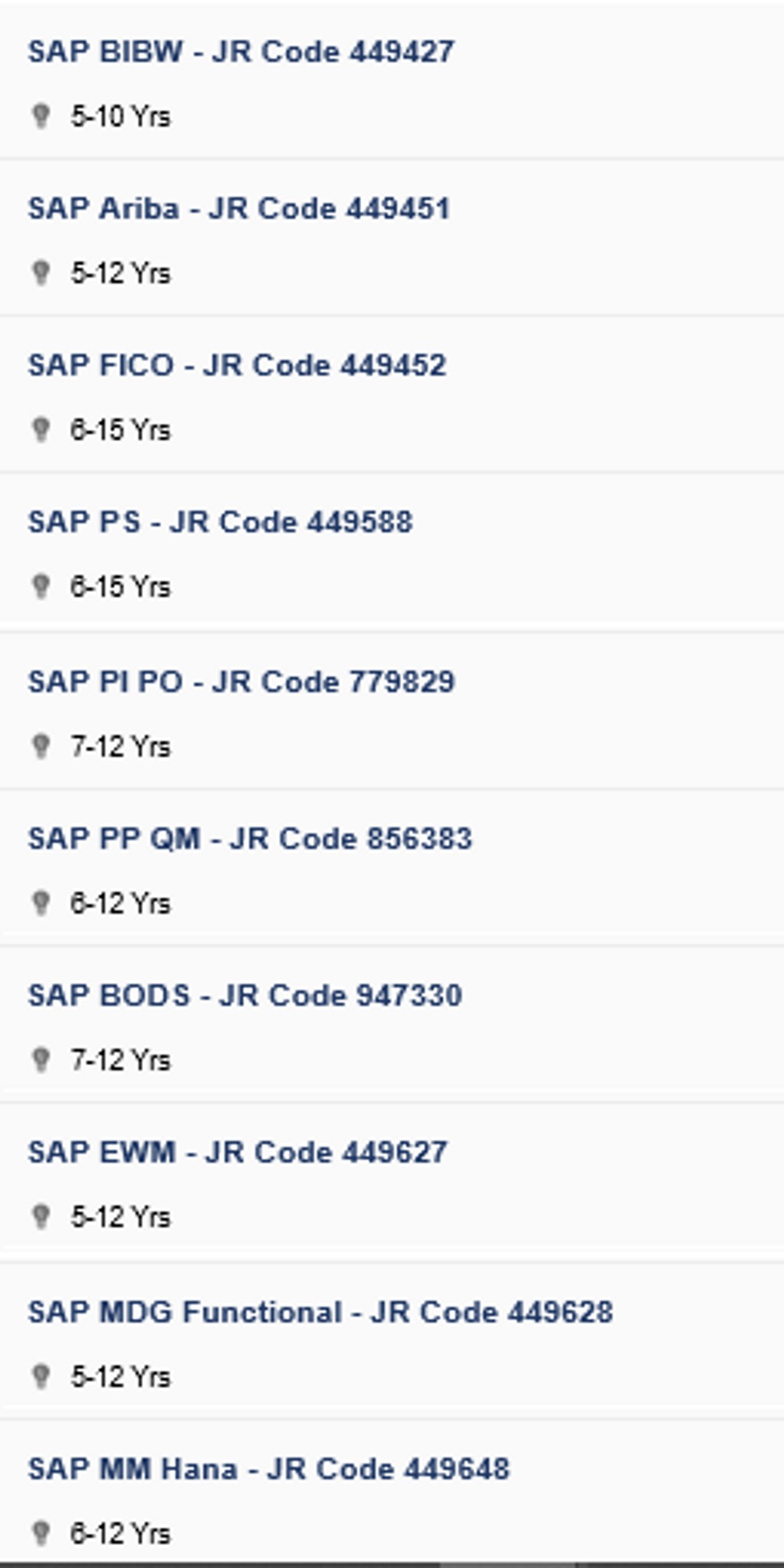
SAP Drive @ LTI, Please DM for referrals,

Pro
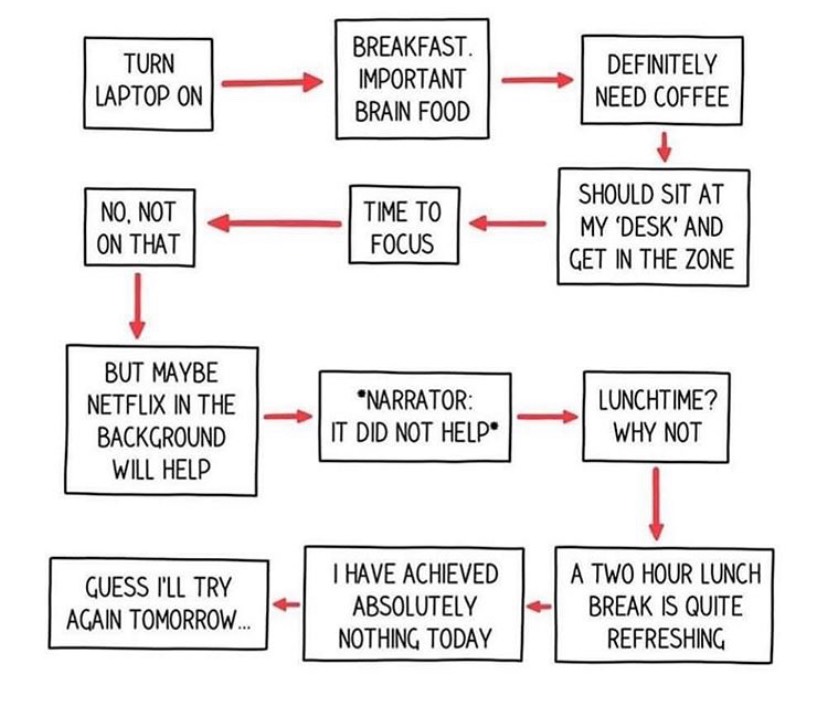
work during quarantine: month 5


Coach


Bowl Leader
Additional Posts in Small Law / Solos
New to Fishbowl?
Download the Fishbowl app to
unlock all discussions on Fishbowl.
unlock all discussions on Fishbowl.


Oh I know the exact answer to this.
You’re welcome 😉
CA Bar allows California-licensed attorneys to work remotely. The issue you face is the state where you are physically located MUST also allow remote work from that state.
You need to call your state bar and find out.
E.g., Kansas does not allow this to happen. So if you were in Kansas but wanted to practice a remote law firm in California, you couldn’t. You would need to sign up, take, and successfully pass the multi-state bar exam to be allowed to practice law in Kansas so you may remote work into California.
So that’s the bar issues…
You’re asking about your business formation type. Let’s assume that GA is *not* ok with you to physically practice law in GA but for CA businesses or residents. You pass the multi-state exam. You incorporate you S Corp (which is the ONLY entity type that fit in this scenario) in CA but not as a “foreign entity”, instead, you pay for “an agent” (from legal zoom or the like) which would rent you an address. By doing this, you will pay CA taxes. All income from CA will be taxed at CA rates (sucks I know). Any income that you generate from businesses/clients in GA, however, should be taxed at GA tax rates.
Yes, a GA S could be a partner in a CA-based firm. However, review the Swart case - the FTB went up the chain of ownership to assess tax. Even though the FTB eventually lost that case, they continue to go after out-of-state owners of entities (per FTB Legal Ruling 2014-01).
"The FTB’s position outlined in the ruling is that all corporate and LLC members of a California LLC taxed as a partnership that is doing business in California must file a California return because the activities of the LLC are imputed to the member. This was based on the FTB’s presumption that all LLCs taxed as partnerships are essentially general partnerships."
This is off-the-top-of-my-head stuff, with no research into whether that's still their position, but AFAIK it is.
Would you need to register as a foreign entity doing business in CA? Maybe, maybe not. Check the CA doing business statute. https://www.law.cornell.edu/regulations/california/18-CCR-23101
Probably at the very least would need to file as a foreign entity doing business in CA, but there may be more specific requirements as well.