

Related Posts
Hello friends,
Could you please help with Stryker company.
I have 10 YOE at .NET for Windows Development with C#,WPF,WCF.
My current CTC is 25 LPA (23 Fixed + 10% variable).
I have already cleared two technical rounds and very soon will have Manageral round.
Coud you please help me to know how much CTC I can expect from Stryker for Staff Engineer role. What is Gallup interview process at Stryker?
How is company regarding learning and WLB ?
Stryker Corporation

Hey! Any Google folks know if it’s possible to negotiate fully remote if a contract role is hybrid? Personally, I don’t want to relocate and go to the office on a contract role given the current economy. Plus, I’m assuming contractors are the first to go in layoffs. I just think it’s a fair trade off if I’d be allowed to work fully remote. I’m also trying to have flexibility to manage my Airbnb business in a different country. Same time zone as the home office if I’d travel weeks at a time.


More Posts
Hii friends
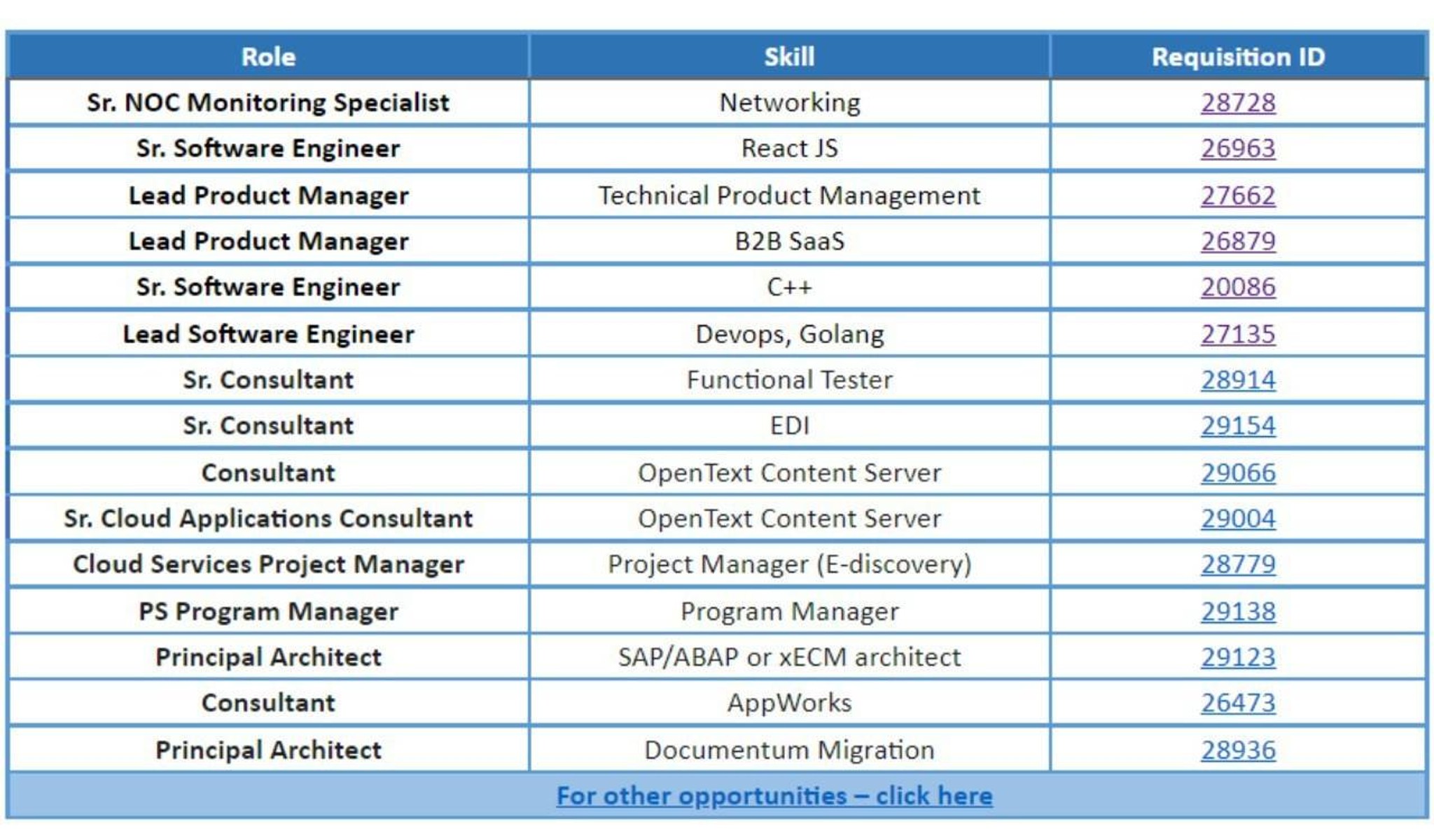
We are hiring


Conversation Starter
How often do you drink? To what extent?
Lol have fun




Additional Posts in PR and Communications

Anyone know anything about MWWPR public affairs?
Thoughts on MMC as an agency?
New to Fishbowl?
unlock all discussions on Fishbowl.


Yup, hi there. How many years of experience do you have?
I was dedicated crisis at an agency for nearly 10 years, and oversee reputation management, issues and crisis response in house now (with other experiences scattered in between).
Your quality of life will depend on the in-house culture, team staffing and amount of agency support. In the agency world, like with any other discipline, there are known clients who are dumpster fires and others who are fantastic.
I think, for me, a successful engagement requires a baseline of three things:
- a salary that is enough to also support outsourcing pieces of my life and allowing for recovery if and when crises spike, especially for extended durations of time (Eg, last minute vacation flights, meal service, house cleaner, etc)
- a support structure in place so you are not the ONLY communicator on crisis; being alone on an island is a fast track to burnout. Ideally, you’d have a team supporting you, and perhaps a rotation for on call so that you aren’t constantly the one on point (it gets really old after a few years), or a very strong agency partner team who can help shoulder that burden.
- an in house culture where your leader has your back and ensures comms has a seat at the table and is respected. There is nothing worse than being kept in the dark on critical matters until it’s too late and you’re left constantly playing catch up. it’s exhausting and morale killing.
Happy to DM further if you’d like / have other specific questions.
Absolutely. Based on your level, def probe if you’ll share responsibility with anyone so when you are on vacation or working for the 8th weekend in a row, someone can cover for you to give you dedicated time off too. Only solo forever and always is a problem.
Heyyyyyyyy. In house now in a crisis role, came from Edelman’s crisis and risk practice. Agree with D1’s points on needing a support structure and a seat at the table to be successful in this role. On interview questions I would probe hard into the reason they want a crisis person now and what the expectation is for the company to proactively engage in “social crises” (gun violence, etc.). Also ask about what internal career progression looks like coming out of this more niche role. Overall I’ve been surprised by how varied and exciting my in house role has felt compared to agency life. I’m happy and I almost never work weekends 😊 Biggest con is having to explain what’s truly a crisis over and over again to other parts of the company. I miss when I was at an agency working exclusively with comms and legal on the client side.
E1, me too!