

Related Posts


Bowl Leader
More Posts


Chief

Everything always takes me so long to do :/

KGS calling folks back to office starting Jan?
Our firm is looking for an attorney in California. Civil Litigation with a social justice element. Comprehensive benefit package. Flexible WFH policy based out of San Francisco, Oakland, or LA. See Craigslist posting for more.
sfbay.craigslist.org/sfc/lgl/d/san-francisco-plaintiffs-side/7504990518.html

5/28 Thread (General):
Hi Guys,
Do Amex provide relocation expenses ?
Additional Posts in Consulting India
Does Hashedin has Bench policy?
Hi people, URGENT can you please comment down what laptop you are using for work from home and it's specifications and how the performance is.
I'm working as Azure data engineer so looking for laptop with good specifications that will allow me to do day to day activities without any issues.
Tata Consultancy IBM Accenture Amazon Google
Good answer for - What is your biggest weakness?
Chief
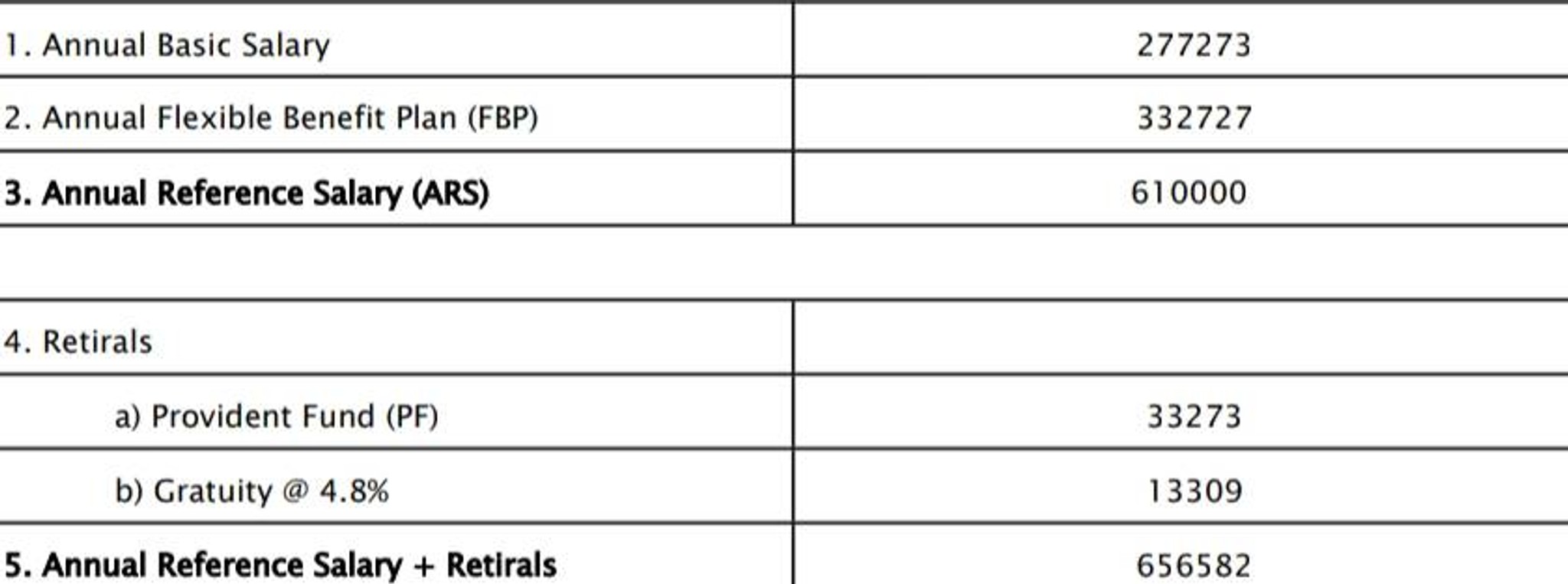
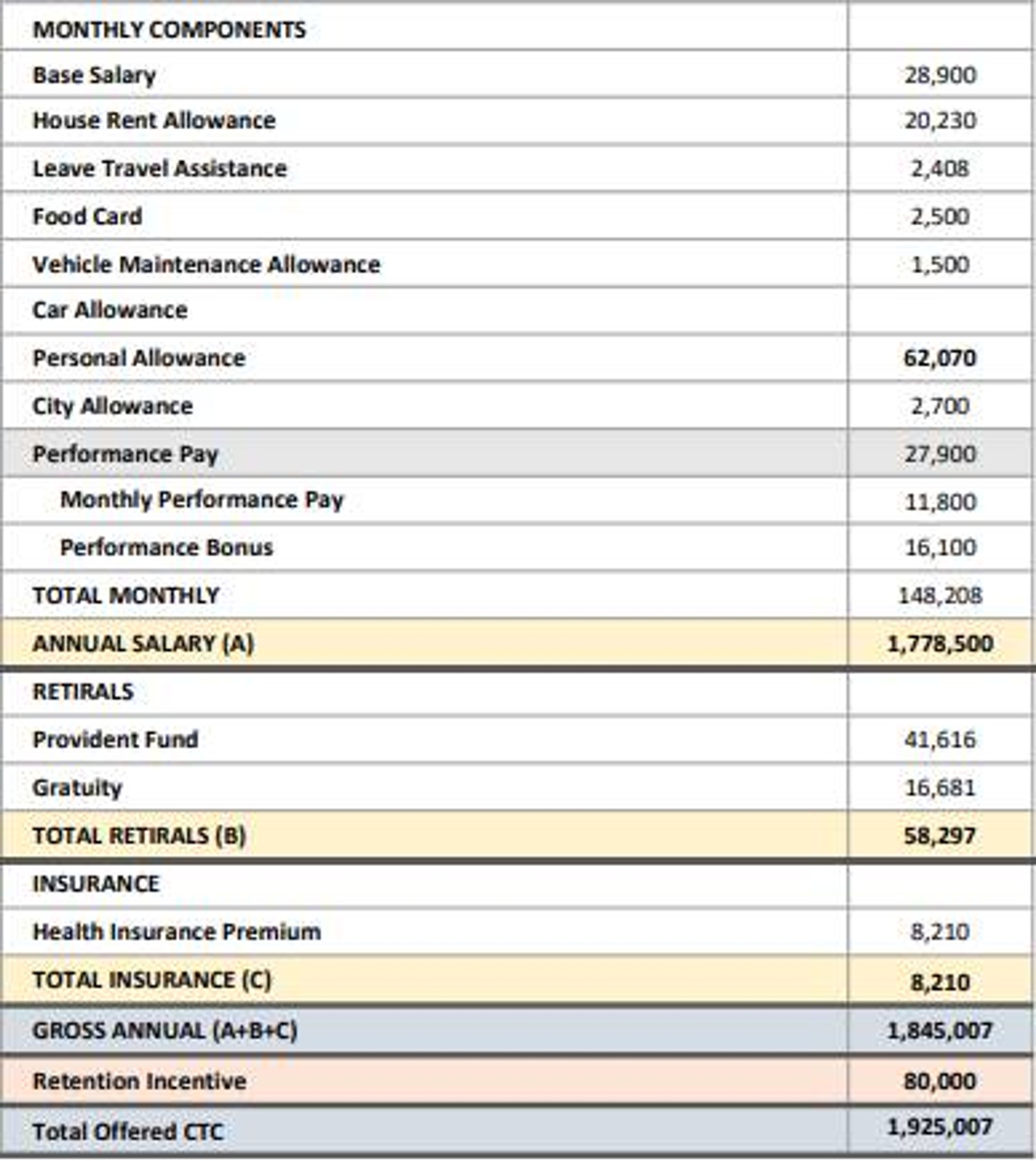
Hi guys, need help with this

New to Fishbowl?
unlock all discussions on Fishbowl.


Chief
Organisation one is better since they cover all pre-existing ailments from Day 1.
Outside bro. Organisation one you can keep but always have your personal one as backup. Organisation insurance will lapse when you leave the company and it hardly covers 3-5L.
You can check HDFC Ergo, they have some hood options.
I went through that Glassdoor Consulting India thread, and it reminded me of a dilemma many of us face sooner or later — whether to depend entirely on the company-provided platform like MediBuddy or step out and buy an individual family policy. On the surface, corporate covers feel effortless and reassuring. But the real uncertainty begins when you think about job changes, coverage gaps during notice periods, rising treatment costs in your city, and how limited the sum insured usually is for a full family.
I learned this the hard way when a colleague moved roles and had a brief break between companies. A routine hospitalisation happened in that gap, and the family had to bear the entire bill because the corporate cover had silently switched off. That’s when I realised the real issue isn’t choosing between “company” and “outside” — it’s understanding the actual strength of your coverage. Brochures and HR portals rarely show room-rent impacts, sub-limits on key procedures, or how city-level medical inflation quietly erodes the adequacy of a 3–5 lakh cover.
My turning point came when I stopped comparing plans superficially and started trying to measure how strong the coverage truly was for my family’s situation. That’s where BimaScore helped. It provides a simple 400–1000 clarity rating that reflects real policy strength — not just benefits on paper. Built on Bima Analyze, it reviews 100+ real-world factors like PIN-code medical inflation, insurer behaviour, hidden sub-limits, and whether your sum insured is realistically sufficient. No document uploads — just basic inputs like insurer, family structure, and sum insured. And with Bima Clarity shaping future-ready recommendations, understanding coverage becomes far easier than relying on HR summaries or online opinions.
If that discussion made you rethink whether your corporate cover is enough for your family, it’s worth checking how strong your chosen policy actually is.
Discover Your Score → https://bimascore.com?ref=forum