

Related Posts


Conversation Starter



Pro
More Posts
Hi Fishes, I've accepted offer from Accenture from their portal.. But now got new offer from EY and wants to join at EY. So how can I tell Accenture Accenture India that I'm not going to join them. Rather than not showing up on the date of joining? Can you please guide me? How do I let them know? My talent coach is not reachable

When will we able to see payslip in portal?
Thought I'd share another leadership opportunity, this time for industry leaders in the Tech & Digital sector. Would love to connect with anyone who is a senior leader (MD / SVP) with deep experience in this sector alongside leadership experience in a TA / Growth or Client Relationship environment. Amazing opportunity to further establish and grow our presence with global leaders in Tech.
https://www.weareams.com/careers/job-search/job/?id=15575

Community Builder
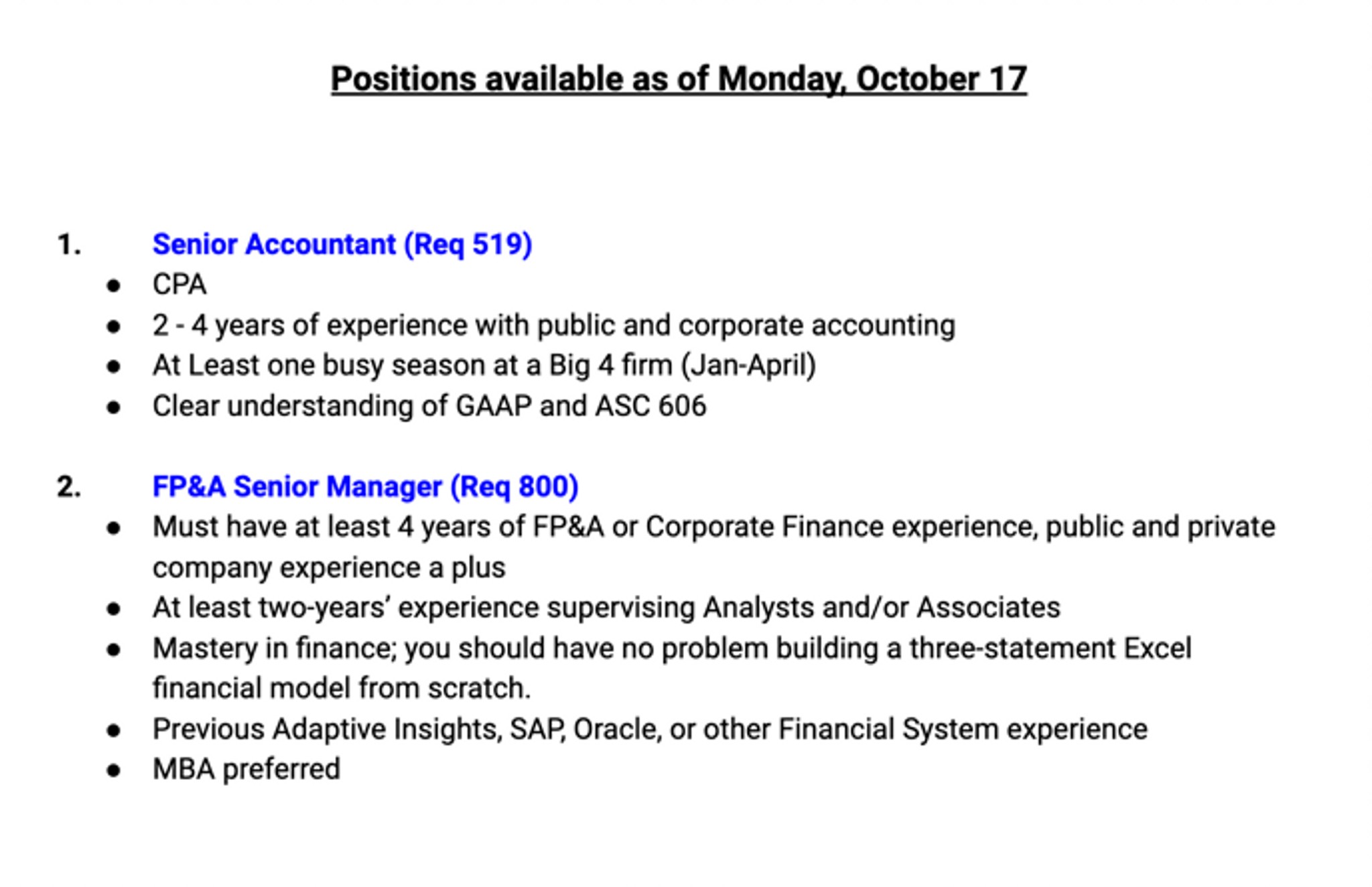
#hiringurgently at °Nomad Health which is a HealthcareTech company that is the first digital marketplace for healthcare jobs, efficiently connecting quality clinicians with rewarding career opportunities. Hiring urgently for these 2 roles listed below, be sure to apply DIRECTLY ONLY through those special referral links listed below:
1.) Senior Accountant- https://grnh.se/907a22374us
2.) FP&A Senior Manager- https://grnh.se/c93c17e14us
Additional Posts in Law Enforcement
what state in the US has the best police force?

daleandson security guards

New to Fishbowl?
unlock all discussions on Fishbowl.


Talk to him regarding what you are seeing and you concerns. Tell him that this could get some one hurt if it continues. But also ask them what you can do to help. If it persists then notify a supervisor regarding your concerns.
If you've noticed a change in your fellow officer's behavior and work performance, it's important to address it with them directly and with empathy. Here are a few steps you can take:
Approach your colleague in a private and non-judgmental manner: Start the conversation by expressing your concern and offering your support. Be empathetic and try to understand what might be causing the change in their behavior.
Ask open-ended questions: Ask your colleague how they are doing and if there is anything you can do to help. Ask them if there is anything going on in their personal life or work that might be causing stress or distraction.
Offer support and resources: If your colleague is going through a difficult time, offer your support and let them know that there are resources available to help. You might suggest they speak with a supervisor, HR representative, or a mental health professional.
Document the conversation: It's important to document the conversation and any actions taken in case the situation does not improve or if it escalates. This will also help ensure that you are following proper protocol and procedures.
Follow up: Check in with your colleague periodically to see how they are doing and if there has been any improvement in their behavior and work performance.
Remember that as a colleague, your primary concern should be for your fellow officer's well-being and safety. By approaching the situation with empathy and support, you may be able to help them address the issue and get back on track. If the situation does not improve or if there is concern for safety, it may be necessary to escalate the situation to a supervisor or HR representative.