

Related Posts

Curious to hear thoughts & opinions on TC for C-Suite roles in Tech (Sweden based roles) at large multinationals (example: IBM, Amazon, Microsoft, Spotify). Is annual take home of pre tax SEK1.5 million + bonuses / RSUs the standard? I’m comparing this to roles in the US at Director level with TC of USD 360k IBM Microsoft Amazon Google
More Posts
How do you plan to care for yourself this week?

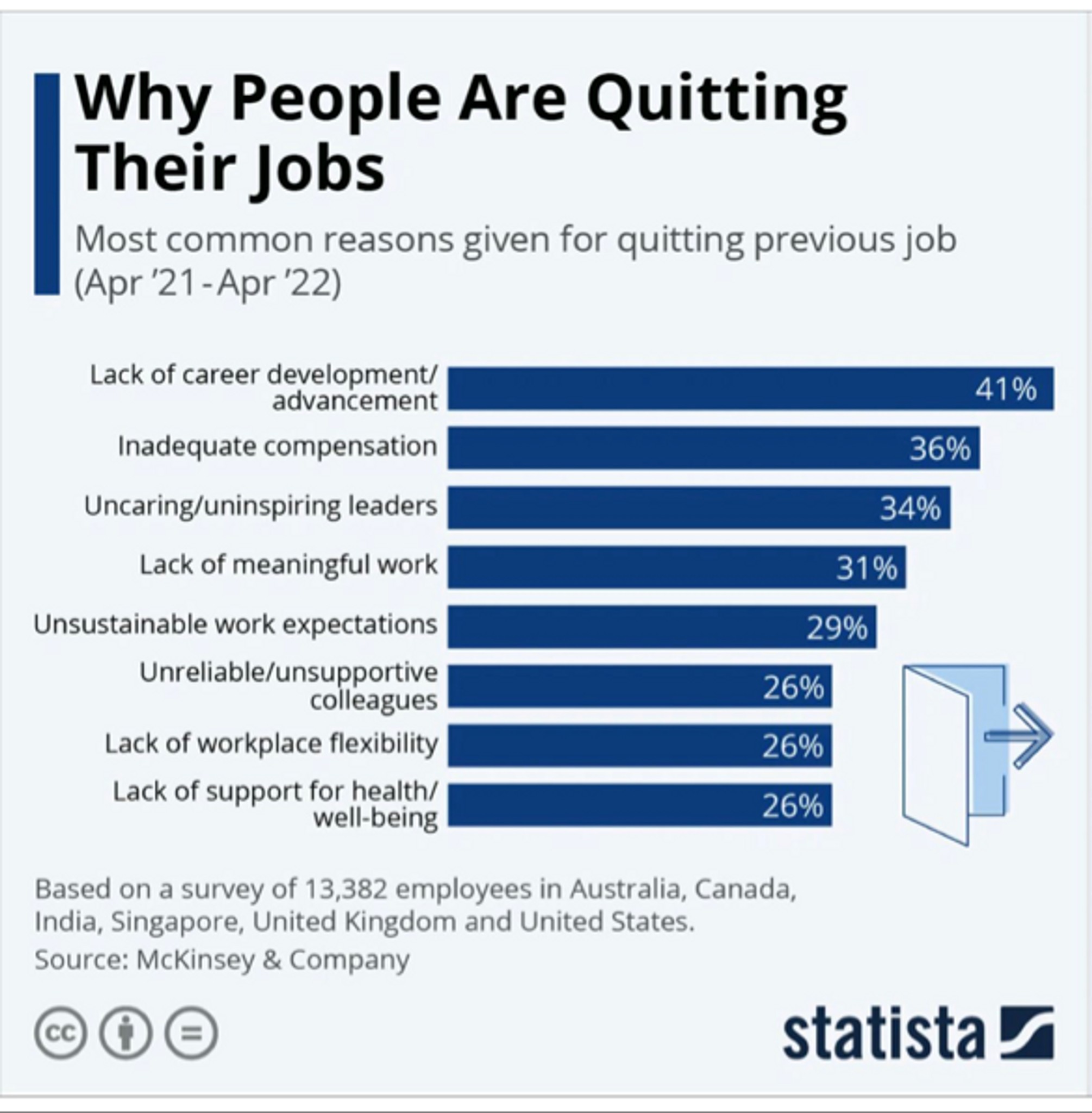
Why People Are Quitting Their Jobs
What’s your opinion on Cue Health?

Additional Posts in Compensation in Consulting

What were the raises like at Deloitte for SAP?
FTI Senior Director base + bonus in NYC?
What’s your current billable rate and salary?
What do Deloitte GPS PPMDs make?

Conversation Starter
New to Fishbowl?
Download the Fishbowl app to
unlock all discussions on Fishbowl.
unlock all discussions on Fishbowl.


Like all ranks, the ED & D salary bands differ significantly by SL and SSL. Keep in mind that an EDD is an employee just like a ST, SR, M or SM. So their compensation works the same way. Salary + Benefits + 401k + ePBB + Pension + ePension. Essentially it is the same core as any other staff member but a different PBB pool (funded on performance only and discretionary payout) and a small kicker to the pension over non-EDD. There have been some changes over the past few years so there are a couple of different "packages" in play but they are essentially gravitating toward the same destination.
Instead of trying to give a range that would differ across SL, lets make a relative comparison. If you consider an ED in the same SL. SLL, Practice and region as a SM, then the salary bands overlap pretty significantly for around 5 years (e.g. a new ED can be making the same or less then a highly experienced SM). Over time, the SM salary would begin to be capped while the ED range would continue to allow for quite a bit more range. So for example if the SM band was 150k to 250k then the ED band would be 200k to 500k. Or something similar.
Keep in mind, that EY does not really endorse the concept of "career SM" but EDD is a destination and could be a role that someone has for 15-25 years so there has to be significantly more runway to provide increases over time.
The pension difference is capped as either 25k or 50k more then the staff pension depending on when you became an ED
The ePBB works fundamentally the same as the PBB except it is a different pool of money and it is not funded at any "minimum" funding level but instead is funded only based on performance. Then it is paid out based on contribution. Each year, your goals and targets get higher so if you had a great year last year and had exactly the same year this year, you would be ranked lower and likely make less ePBB. You have to constantly be growing.
What you need to understand at the end of the day is that an EDD is an employee leader. So they have the same responsibilities and many of the same roles as a PP but they are not equity owners. As as result, they are subject to the same salary growth curve and constraints as any other staff. If you assume that you grow your salary by 2-5%/year, that would continue as an ED.
What about for internal roles? Salary the same? Figured it’d be the bonus that differs
SC1 Salary can be that. Bonus, pension etc on top
Glassdoor says -$275k. Depends on practice
Isn’t this the same as a partner. The only difference between an ED and P/PP is their buy-in? Pure assumption but maybe 500+
EDs have a wide range — 300-600k
E1- all in?
How does the Ed pension look like?