


Conversation Starter
Related Posts

Subject Expert


Conversation Starter

Personal finance book recommendations?

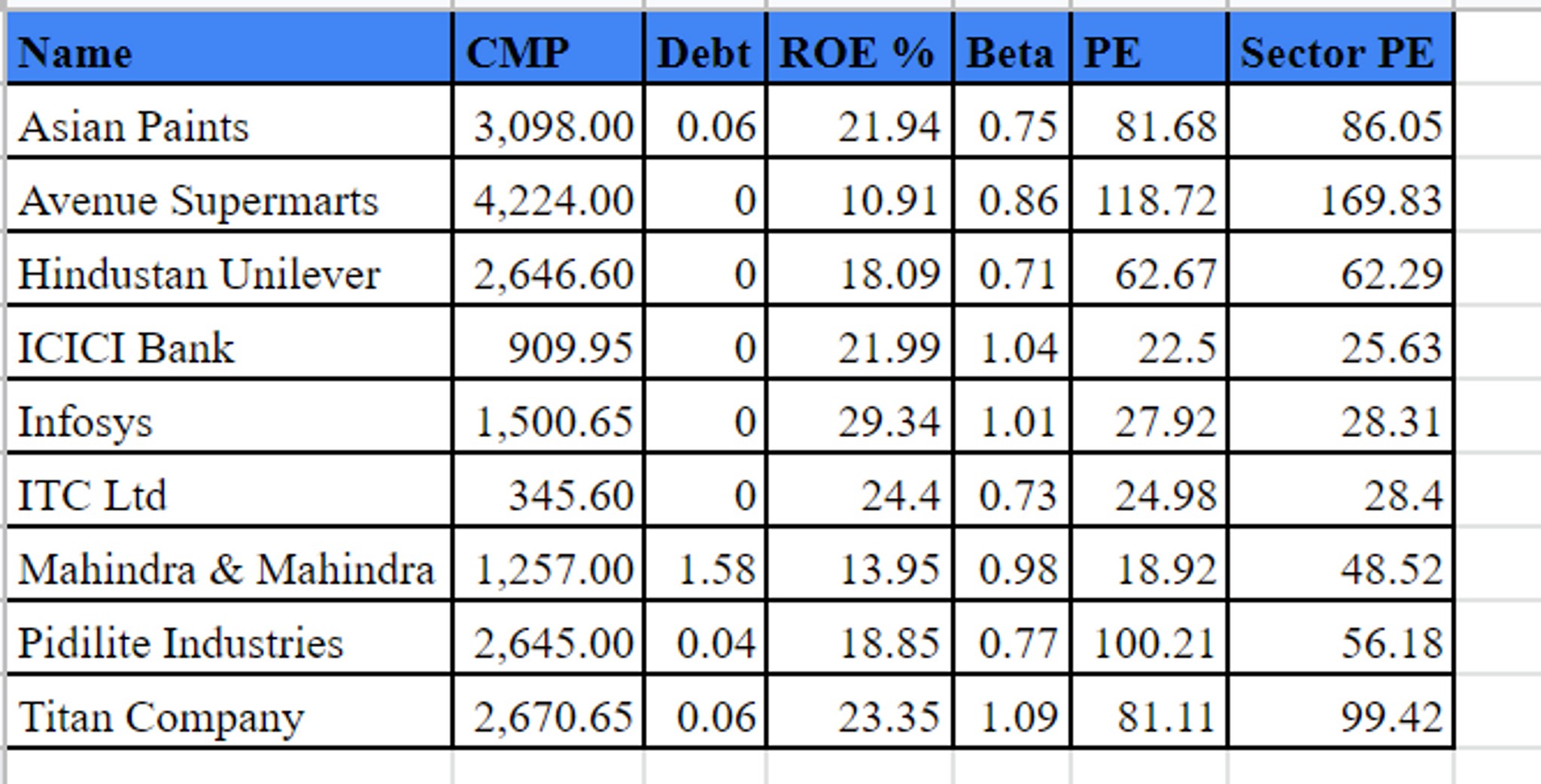
My long term stock portfolio suggestion please?
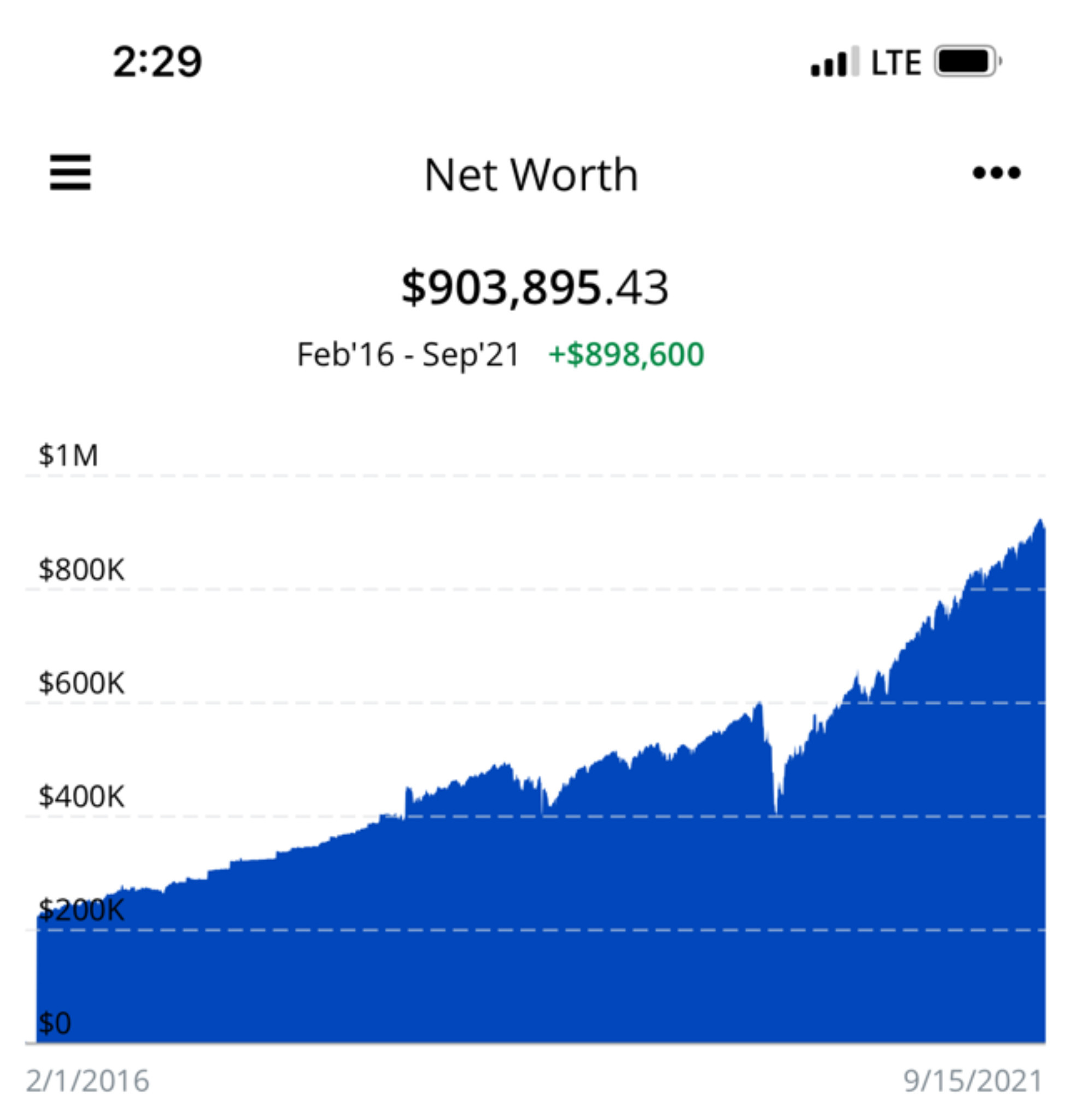
38 and net worth only 750 k€. Am I behind?

More Posts
Conversation Starter

Bowl Leader


Rising Star
Hi Fishes, I grabbed an offer at Accenture with 12 LPA fixed for Level 9. I'm not getting a retention offer from my current company at 13.5 lpa. How do I go about a counter offer with Accenture HR? Also tell me how to approach this situation smoothly.
If HR doesn't fulfill the counter offer, is it ok to accept 12 lpa fixed for Level 9 and when will I get a hike here and how much would it be approximately?
Accenture Please provide your insights. This is my first switch so I ne more exposure
Additional Posts in Personal Investment Chatter

Pro

Anyone looking at airline stocks or ETF play?


Conversation Starter
Fav intl ETFs?
Conversation Starter
New to Fishbowl?
unlock all discussions on Fishbowl.


Rising Star
Whichever broker or bank you use (Fidelity, Vanguard, Etc.) will keep track of the price you paid each time. Each purchase is called a lot. You bought your first lot of ten shares at $3 per share, then you bought your second lot at 4 per share a month later, etc.
As mentioned above, the price you paid is called your basis, and it is different for each lot based on whatever the price was. Typically it is better tax-wise to hold for longer than a year before you sell as the taxes on any gains will be less than if you hold them for less than a year. But of course tax amount isn’t the only thing you will consider when selling.
No idea what ELI5 is but you pay tax on the difference between what you sold it for vs what you paid for it (your basis). If you held if for over a year, it is a long term capital gain which have lower rates than short term capital gains. If less than a year you pay short term capital gains at your ordinary income tax rate.
ELI5 = explain like I'm 5
Chief
One more thing. Your brokerage has different options for what method to use when determining which shares to sell and the associated basis. Most offer things like Average Cost, First in First Out, Last in First Out, Specific Lot, and Highest Cost First. In some cases, once you sell a share, you can no longer charge the cost method. I think that most have average cost as the default.
Any quality brokerage does this but some don’t.
Chief
Good explanations so far!
From a tax perspective, gains / profits are taxed based on short term or long term gains. If you held a “lot” for at least a year, then it is taxed on the longer term rate. If you held it for less than a year, it is taxed at the higher short term rate. If all your lots are long term, then which one you sell is kinda a personal decision. Some might sell the lowest cost lot to maximize the gain / profit, some might sell the highest cost lot to minimize the gain / profit.
If you have a mix of lots that have been held for les than a year as well as more than a year, it is generally suggested to sell the older lots to invoke the long term capital gain structure if you have a gain.
Finally, if you sell a lot at a loss, you should know that you are not allowed to buy shares in the same equity for 30 days, otherwise it could be considered a “wash sale”, where your losses will be excluded. If you consistently buy specific assets or funds, be conscious of this if you decide to sell any.