

Related Posts
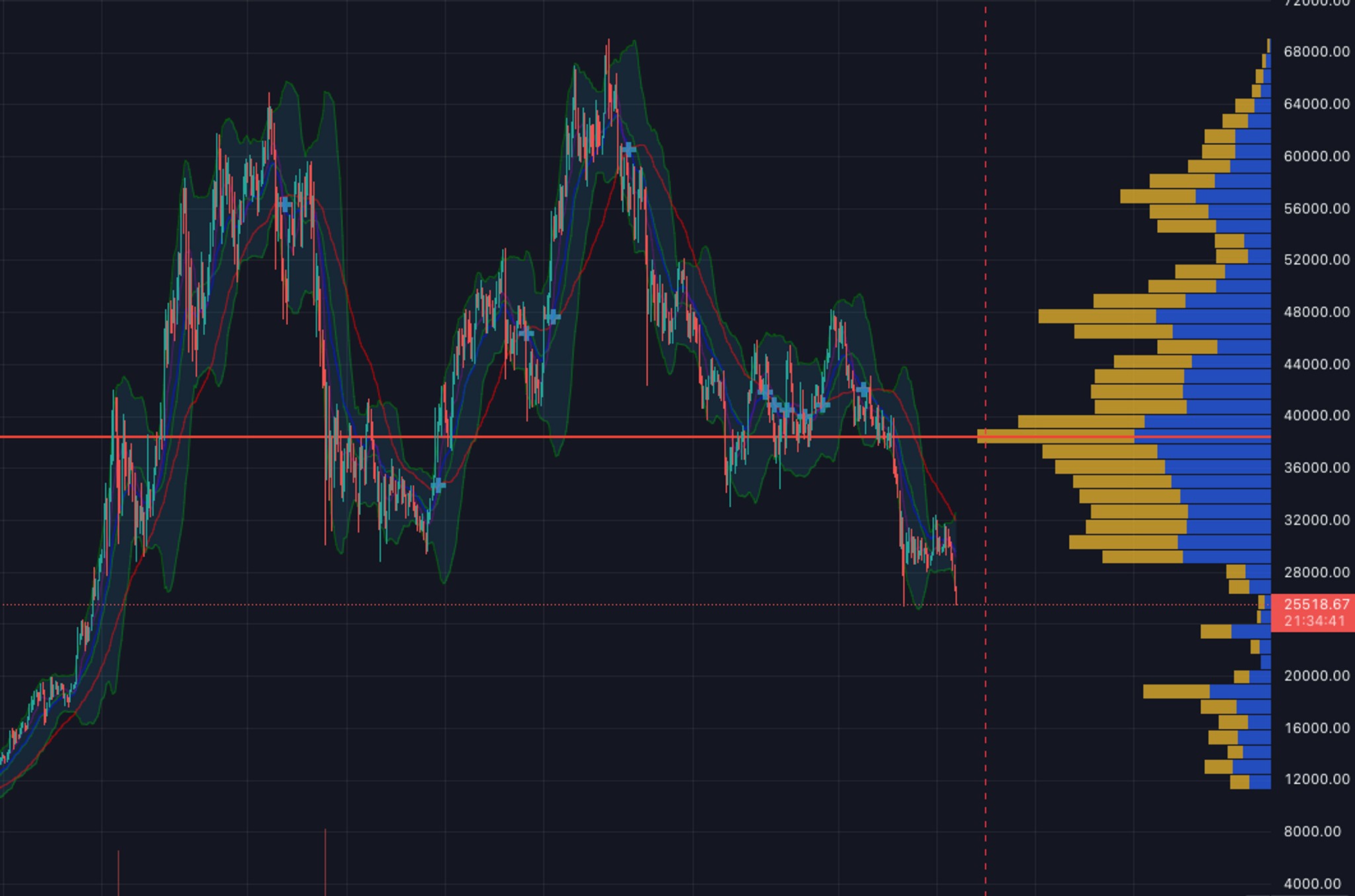
NFA, but will be buying up sub 20K BTC… DYOR 🥲


Any Aon pension actuaries who could help my friend understand the hierarchy of titles? Let’s say my friend has 10 years of experience, FSA and EA credentials, was a consistently high performer over his career, what would his expected title be at Aon within the core retirement actuarial business? Thanks in advance.
More Posts


Conversation Starter


Enthusiast


Additional Posts in Consulting

Rising Star
New to Fishbowl?
Download the Fishbowl app to
unlock all discussions on Fishbowl.
unlock all discussions on Fishbowl.


I go for the Roth. Financial advisor suggested that because it is taxed up front. Traditional is taxed at retirement I believe
Is this some sort of question that I am too European to understand?
How old are you, how much do you make, and how much do you expect your salary to grow
A potential wrinkle here is whether you are paying state/city tax right now and whether you think you’ll pay that when you retire.
I’m 26 y/o and I just switched from 10% into traditional to 10% in roth
If you’re in your 20’s go for the Roth and some in the 401k. And switch as your income changes. The reasoning is younger equates to lower pay and lower tax rate since Roth is taxed up front. As you progress and switch tax brackets you should gradually increase 401k and lower Roth.
If offered through employer retirement there are no limits except for the yearly contribution to retirement. Yes, open one if you can.
Pro
The big picture here is:
Roth contributions are taxed as they’re contributed
Standard 401k contributions are taxed when the funds are disbursed from the account in retirement.
There is an argument that benefits both types of contribution but the primary downside of Roth is that you’re losing investment funds up front to pay tax now when the amount you’re losing to tax could be invested to help your account grow at a faster rate the big pro is no tax on disbursements in retirement so one less thing to worry about and vice versa for standard 401k.
Roth for you. Assuming you'll eventually leave that company, you'll be able to roll that Roth money into a Roth IRA, which you can control the investments on and withdraw contributions from after 5 years. Its a great tool to have. Your % match will always be traditional, so that's a way of divvying it up with no additional effort.
OP - Tax deductions for Traditional must be put into context against the tax benefit when withdrawing from Roth. That's the main equation - your question is bad if the Roth benefits aren't also part of it. Without that, I can "what about tax-free withdrawals with Roth?" right back at you. You must weigh which benefit is more beneficial for your situation.
A1 - Yes. You can always roll traditional into traditional...and yes, you can take a loan out against it, which is another tool. I'm a fan of Roth when younger because that's when the tax benefit will yield the most. More time in market (investing while young) and typically lower taxes while earning less at that career stage.
My TC is about 155 per year and I’m 28. Should I contribute to Roth 401K?
How long do you plan to stay at your current company? If you know you're going to switch in the next few years, I'd go Roth 401k purely so that you can roll it into a Roth IRA when you leave. If you go traditional, you'll probably want to keep that money in a 401k - not an IRA - because the tax hit to convert would be enormous in a one-time conversion.
Either way at that salary, you'll want to be contributing to a Roth IRA via backdoor or mega-backdoor if your employer allows it.