

Related Posts

Visual Storyteller
When the partner checks in on the junior associate



Every partner that I work with

When you ask the intern to take meeting notes


Conversation Starter

More Posts

Recommendations for a weekend in SF?
Conversation Starter
Additional Posts in Engineering


New to Fishbowl?
Download the Fishbowl app to
unlock all discussions on Fishbowl.
unlock all discussions on Fishbowl.


I was an engineer who provided salaried support for a factory for 8 years. And yes, I witnessed the tension between the hourly touch labor folks and the salaried engineers.
The vast majority of it is due to poor communication in my mind. I always made it a point to be on the factory floor with the hourly workforce on a regular basis. That way I had firsthand knowledge of what they faced and they had firsthand knowledge of what I faced. That helped prevent major blowups.
No, most of our issues are with the project management team, they work from home,
True, they need to spend more time in the action!
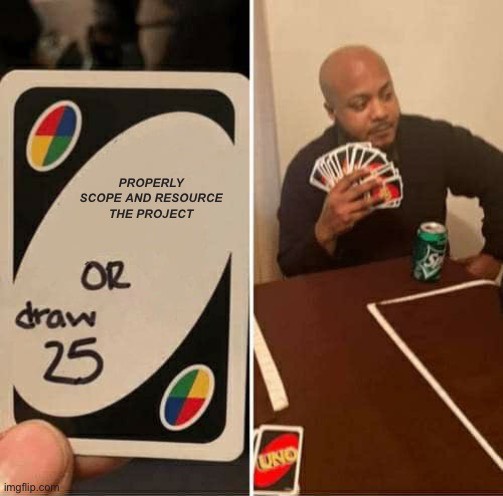
Not so much with the floor or maintenance. Operations teams for sure. They don't like it when I say I can't accommodate wild scope chances at commissioning. Operations had their chance to speak up when they were consulted throughout the project. I've got a timeline, budget and scope to protect.
The floor and operations always seems to blame the new thing, no matter what for the next six months.
Rising Star
I was for a while, and when something goes wrong, everyone tries to put the blame on someone else and it never ends good.
This is correct. It’s always the blame game and no accountability
It is all about establishing relationships. I was a maintenance supervisor, then process engineer in a Chicago Union plant. There was always mistrust between production people and maintenance and engineering. I spent all my time on the floor developing relationships with the operators and mechanics. Our operators were on piece work incentives so if they met or exceeded production goals they made more. I was accountable for scrap rates and production goals so I used that to develop alliances with operators. We all wanted the same thing. So I started conversations with every operator. I listened to their biggest problems/headaches. Sometimes I learned something from one operator and taught it to another. Sometimes I identified an easy machine modification to help. I always gave credit to the operators who worked with me. We eventually formed a cross functional operator/mechanic/engineer team. We got management approval to cover some OT for us to work off line on production/quality problems. We rocked. Solved the biggest customer complaint problem in our JNJ company. The ops VP gave everyone on our team JNJ Achievement Awards. 30 years later, I am still friends with Union operators and mechanics that didn’t trust me at first. The moral? Everyone wants to do a good job! Don’t be an elite college boy/girl- get in the trenches and build relationships.
Well said!
Rising Star
Yes, this is correct at most factory setting. Blame is typically on the department that is not involved. Maintenance and operations are in opposition because production needs to stop in order to fix things.